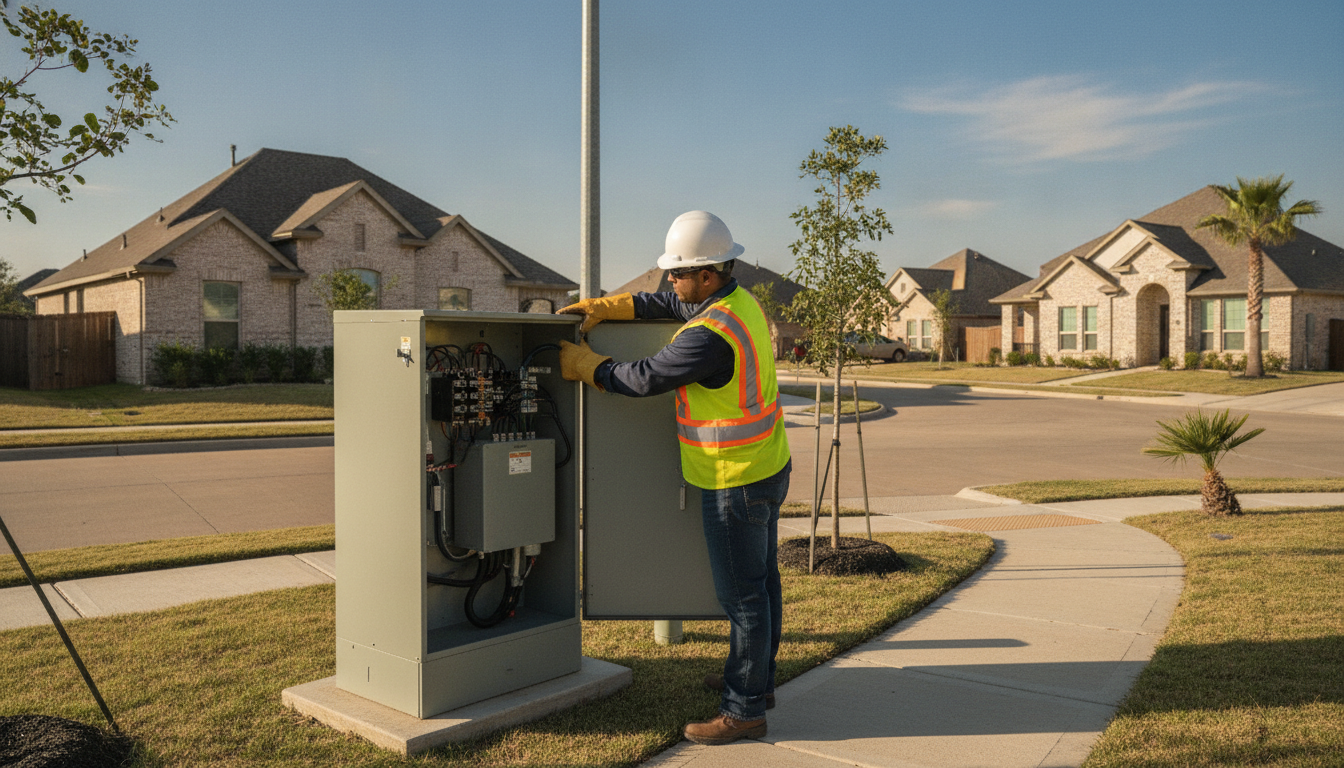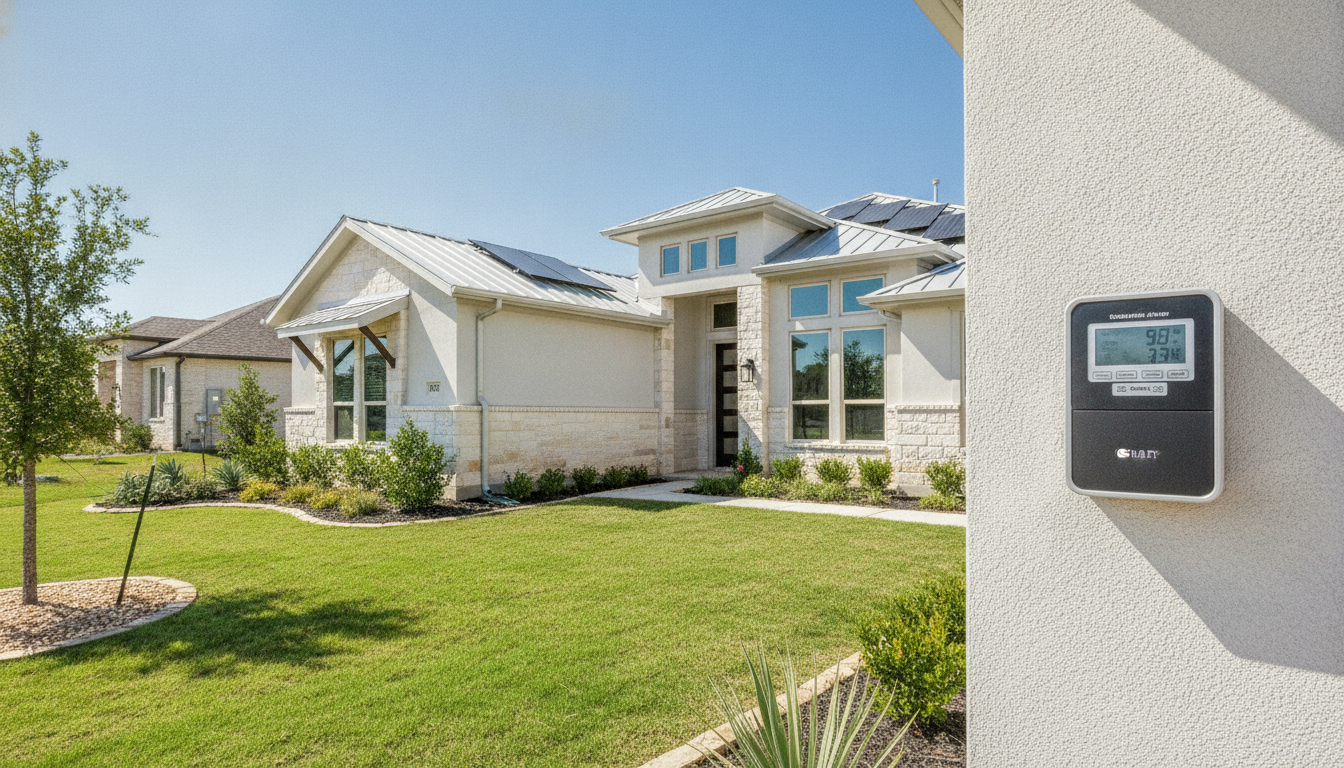

Texas summers are legendary for their heat, and unfortunately, for the sky-high electricity bills that often come with it. As temperatures soar and the ERCOT grid works overtime, many Texans find themselves dreading the monthly statement. But what if you could significantly reduce that bill without sacrificing comfort? The secret often lies not just in how much electricity you use, but when you use it. By strategically shifting your daily usage, you can make a tangible impact on your household overhead and contribute to a more stable grid.
Understanding Texas Peak Demand
The Lone Star State’s energy landscape is unique, driven by extreme summer heat waves, high humidity, and an almost universal dependency on air conditioning. This creates predictable periods of immense demand on the ERCOT grid, known as peak hours.
What are Peak Hours?
Generally, peak hours in Texas occur when electricity usage is at its highest. This typically falls during the late afternoon and early evening, often between 3 PM and 7 PM, when people return home, crank up their AC, start cooking dinner, and use various appliances simultaneously. During these times, the cost of electricity can be higher due to increased strain on generation and transmission.
The Impact on Your Wallet and the Grid
When demand spikes, the cost per kilowatt-hour can increase, especially for customers on certain electricity plans. Moreover, sustained high demand puts immense pressure on the ERCOT grid, sometimes necessitating conservation alerts. By reducing your consumption during these critical windows, you not only save money but also help alleviate stress on the state’s energy infrastructure.
Strategic Appliance Use: Your Blueprint for Savings
Making small changes to your daily routine can yield significant savings during the Texas summer. It’s all about timing.
Laundry Day Redefined
Washing machines and dryers are energy hogs, especially during their heating cycles. Instead of running them in the late afternoon, aim for early mornings or late evenings when temperatures are cooler and demand is lower. Even better, consider air-drying clothes when possible.
Dishwashing Wisdom
Similar to laundry, dishwashers use a lot of hot water and electricity. Run your dishwasher after 7 PM or before 3 PM. Maximizing each load also reduces the number of cycles you need to run throughout the week.
Cooking Smart, Not Hot
Using your oven or stovetop during peak hours not only consumes electricity but also adds heat to your home, making your AC work even harder. Opt for grilling outdoors, using a microwave, slow cooker, or air fryer, or preparing cold meals during the hottest parts of the day. If you must use the oven, try to do it earlier in the day or later in the evening.
Cooling Strategies Beyond the Thermostat
While thermostat settings are crucial (and we’ll touch on those in our FAQs), other cooling strategies can reduce AC runtime during peak hours. Close blinds and curtains on south and west-facing windows to block solar gain. Ensure ceiling fans are rotating counter-clockwise to push cool air down, but remember to turn them off when you leave the room.
For more comprehensive strategies on how to lower residential electric bill in Texas summer, explore our detailed guide on residential energy savings.
ElectricityOne: Your Partner in Smarter Energy Use
Implementing energy-saving habits is a powerful step, but pairing them with the right electricity plan can accelerate your savings exponentially. At ElectricityOne, we believe in empowering Texas residents with both knowledge and choice.
- Over two decades of dedicated service providing reliable, quick, and courteous electric solutions across Texas.
- A trusted platform connecting residents with the state’s finest Retail Electric Providers (REPs).
- Partnerships with REPs committed to substantial cost savings, transparent disclosure of all costs/fees, and long-term customer satisfaction.
- Expert guidance to help you find plans that perfectly complement your energy-efficient lifestyle and peak-hour management.
The Ultimate Texas Summer Savings Strategy
Conquering the Texas summer electric bill requires a two-pronged approach: smart energy habits and a smart electricity plan. By understanding and adapting to peak demand hours, you’re not just saving money; you’re actively participating in a more resilient energy future for Texas. ElectricityOne meticulously selects providers that offer plans designed to reward your energy-efficient lifestyle, ensuring you get the most value for every kilowatt-hour. We’re here to help you navigate the complexities of the energy market and connect you with transparent, cost-effective options.
Ready to maximize your savings with a better residential rate? Call 1.844.567.2863 today to speak with our home energy experts.
FAQ: Residential Energy Savings in Texas
What are “peak hours” for electricity in Texas?
Peak hours typically refer to the times when electricity demand is highest, usually in the late afternoon and early evening (e.g., 3 PM to 7 PM) during hot Texas summers, when air conditioning use is at its maximum.
How does shifting appliance use help save money?
By using heavy-draw appliances like washers, dryers, and dishwashers during off-peak hours (early morning or late evening), you can avoid higher electricity costs associated with peak demand periods, especially if you’re on a time-of-use electricity plan.
Can a different electricity plan further reduce my summer bill?
Absolutely. Many Retail Electric Providers offer plans tailored to different usage patterns, including those that incentivize off-peak consumption. Partnering with a platform like ElectricityOne can help you find a plan that aligns perfectly with your energy-saving habits, leading to significant reductions in your monthly bill.