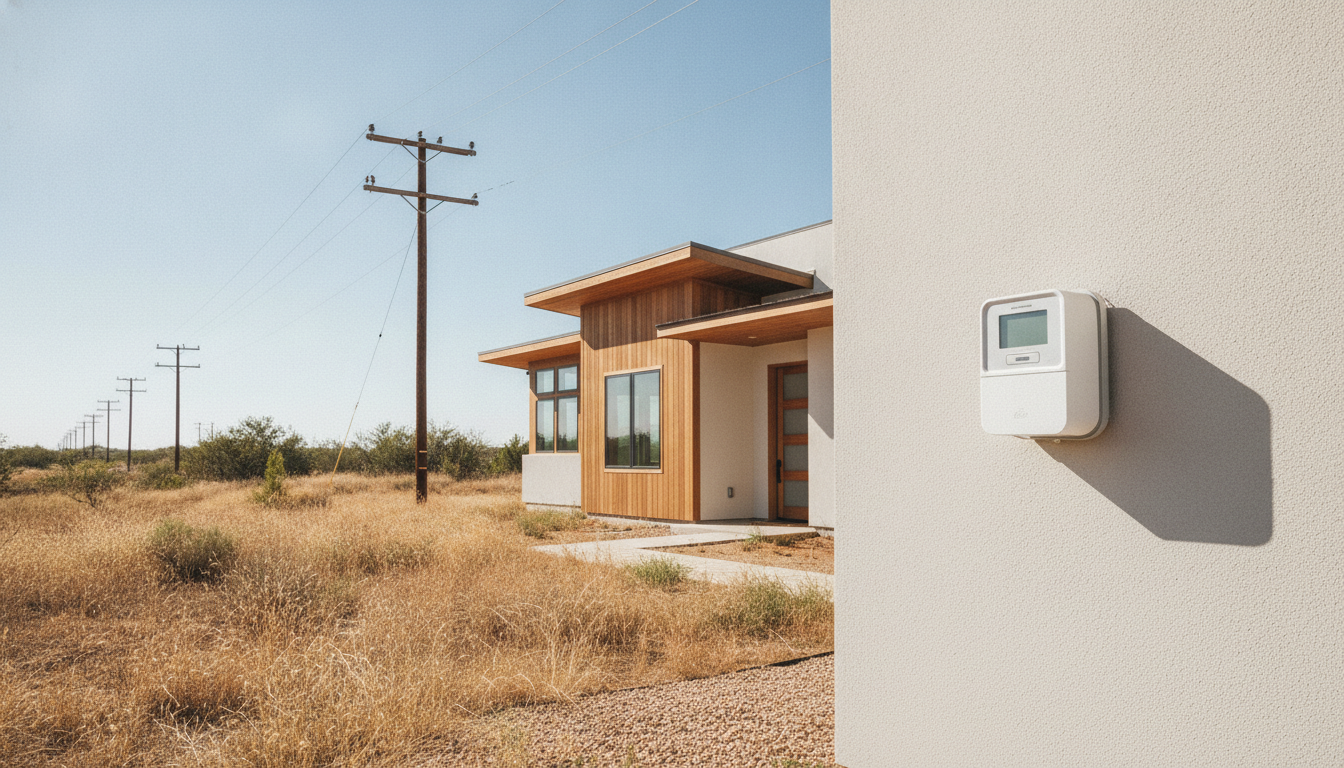

As a resident of Greater Houston or the Texas Gulf Coast, you’re familiar with the complexities of your monthly electric bill. Beyond the cost of the electricity you consume, there’s a crucial component that often raises questions: the delivery charges. These aren’t set by your retail electric provider (REP) but by CenterPoint Energy, the utility responsible for the poles, wires, and infrastructure that bring power to your home. Understanding these charges is key to truly comprehending your energy costs in the deregulated Texas market.
The Two Sides of Your Texas Electric Bill: REP vs. TDSP
In the Texas deregulated energy market, your electric service is a partnership between two distinct entities: your Retail Electric Provider (REP) and the Transmission and Distribution Service Provider (TDSP), also known as the utility company. Your REP, such as those you find through ElectricityOne, is the company you choose to buy electricity from. They handle your billing, customer service, and the specific energy plan you select.
CenterPoint Energy: The Unsung Hero of the Grid
CenterPoint Energy is the TDSP for the Greater Houston metropolitan area and the Texas Gulf Coast. They don’t sell you electricity; instead, they own and maintain the vast network of power lines, poles, meters, and other vital infrastructure. Serving nearly 2.8 million metered customers, CenterPoint Energy is on the front lines, managing grid resilience through intense heat waves and preparing for severe weather, including hurricane seasons. When you experience a power outage, it’s CenterPoint Energy’s crews who are dispatched to restore service, not your REP’s.
Decoding Your CenterPoint Energy Delivery Charges
The fees from CenterPoint Energy are passed through directly to you by your REP, appearing as distinct line items on your monthly electric bill. These are the regulated charges for the physical delivery of electricity to your property. It’s crucial to understand that these are not profits for your REP; they are mandated costs for maintaining and upgrading the essential infrastructure that powers your life. For a deeper dive into these utility area specifics, you can explore more about centerpoint energy delivery charges.
What These Charges Cover
Your CenterPoint Energy delivery charges typically consist of two main components:
- A fixed monthly utility fee: This charge helps cover the basic costs of maintaining your connection to the grid, regardless of how much electricity you use.
- A usage-based component: This charge is applied per kilowatt-hour (kWh) of electricity you consume, reflecting the cost of transmitting and distributing that power across CenterPoint’s expansive network.
These charges fund everything from routine maintenance and repairs to major infrastructure upgrades, ensuring the reliability and safety of the electrical grid across Southeast Texas.
Why They’re Regulated
Unlike the competitive rates offered by REPs, CenterPoint Energy’s delivery charges are regulated by the Public Utility Commission of Texas (PUCT). This regulation ensures fairness, transparency, and that the utility has sufficient funds to operate and invest in the grid while protecting consumers from arbitrary price increases. The PUCT reviews and approves all proposed changes to these tariffs.
ElectricityOne: Your Partner in Navigating Houston’s Energy Market
Understanding the distinction between your REP and CenterPoint Energy is the first step toward becoming a savvy energy consumer. The next step is finding a Retail Electric Provider that offers the best value and transparency within the CenterPoint footprint. ElectricityOne has been doing just that for over 20 years, providing reliable, quick, and courteous electric service for Texas homes and businesses.
- 20+ Years of Expertise: We leverage decades of experience to connect Houston-area residents with top-tier REPs.
- Meticulous Provider Selection: Our rigorous process ensures partnerships only with REPs that offer substantial cost savings and transparent disclosure of all costs and fees, including CenterPoint pass-through charges.
- Long-Term Satisfaction: We focus on helping you find plans designed for clarity and long-term satisfaction, not just temporary low rates.
Conclusion
By understanding the role of CenterPoint Energy and the nature of their delivery charges, you gain clearer insight into your monthly electric bill. You’ll better distinguish between the charges for the electricity itself and the essential costs of getting that power to your home. Crucially, you’ll also know that in the event of a power outage, severe storm, or downed power line emergency in the Houston area, your first call should always be directly to CenterPoint Energy, not your REP.
Ready to find the best energy plan for your CenterPoint delivery area? Call 1.844.567.2863 today to speak with our Texas energy experts.
What is the difference between CenterPoint Energy and my Retail Electric Provider?
CenterPoint Energy is the utility company (TDSP) that owns and maintains the power lines, poles, and meters in the Greater Houston area, delivering electricity to your home. Your Retail Electric Provider (REP) is the company you choose to purchase electricity from, handling your billing and customer service.
Why do I see CenterPoint Energy charges on my electric bill if I don’t buy power from them?
CenterPoint Energy’s regulated delivery and transmission charges are passed directly through to you by your Retail Electric Provider. These fees cover the costs of maintaining the electrical infrastructure that physically delivers power to your home and are a mandatory part of your electric service in the deregulated market.
Who do I call if I have a power outage in the Houston area?
For any power outage, severe storm, or downed power line emergency in the CenterPoint Energy service territory, you must contact CenterPoint Energy directly. Your Retail Electric Provider cannot restore power; only CenterPoint Energy crews can address issues with the physical electrical grid.