Ever wondered why your Texas electricity bill seems to involve two different companies? You chose a Retail Electric Provider (REP), but there’s another name, like Oncor or CenterPoint, frequently mentioned. This common confusion highlights the core distinction between the company that sells you electricity and the one that actually gets it to your home or business. Understanding what is a transmission and distribution service provider (TDSP), often called a Transmission and Distribution Utility (TDU), is crucial for every Texan in the deregulated energy market.
Provider vs. Utility: Unpacking the Texas Energy Landscape
In Texas’s competitive electricity market, the roles are clearly defined, yet often misunderstood. Your Retail Electric Provider (REP) is the company you choose to buy electricity from. They are responsible for setting your energy plan’s pricing, managing your account, and handling your billing. Essentially, they are the sales and customer service arm of your electricity supply.
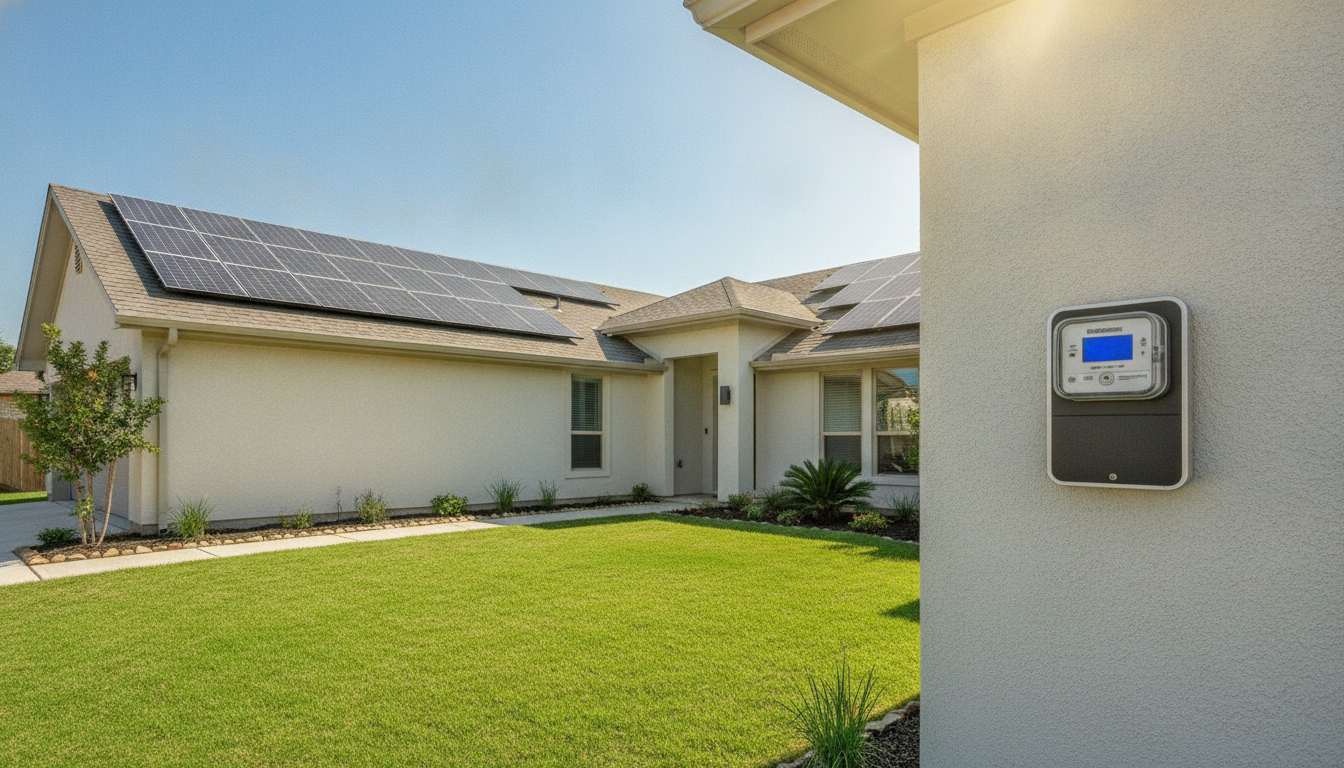
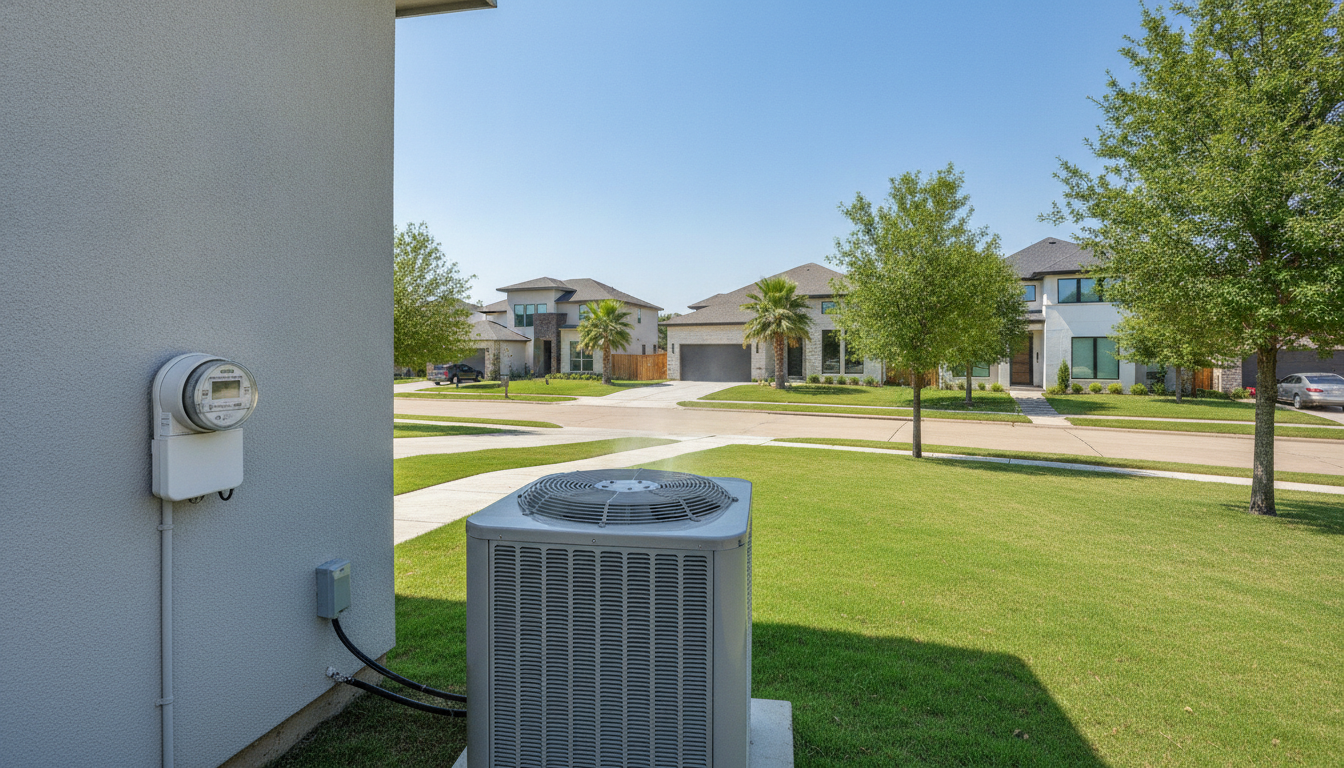
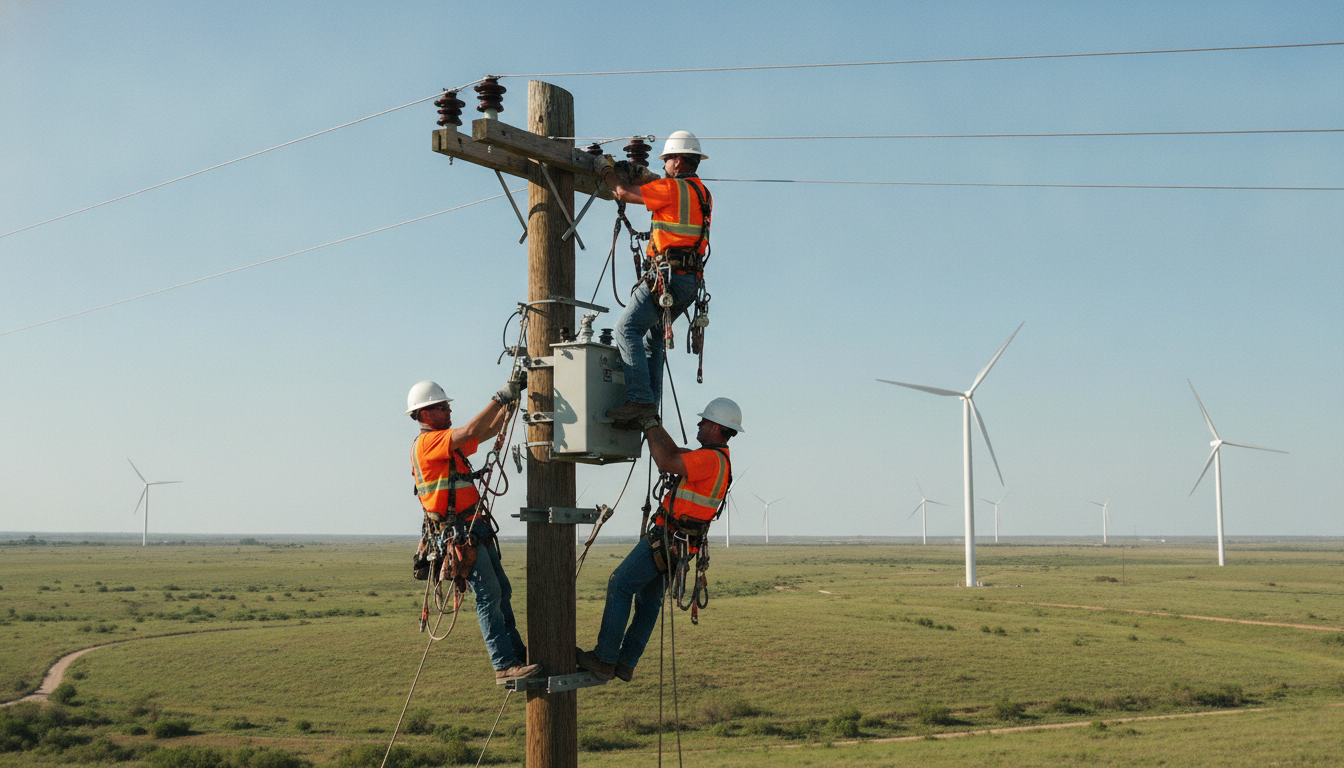
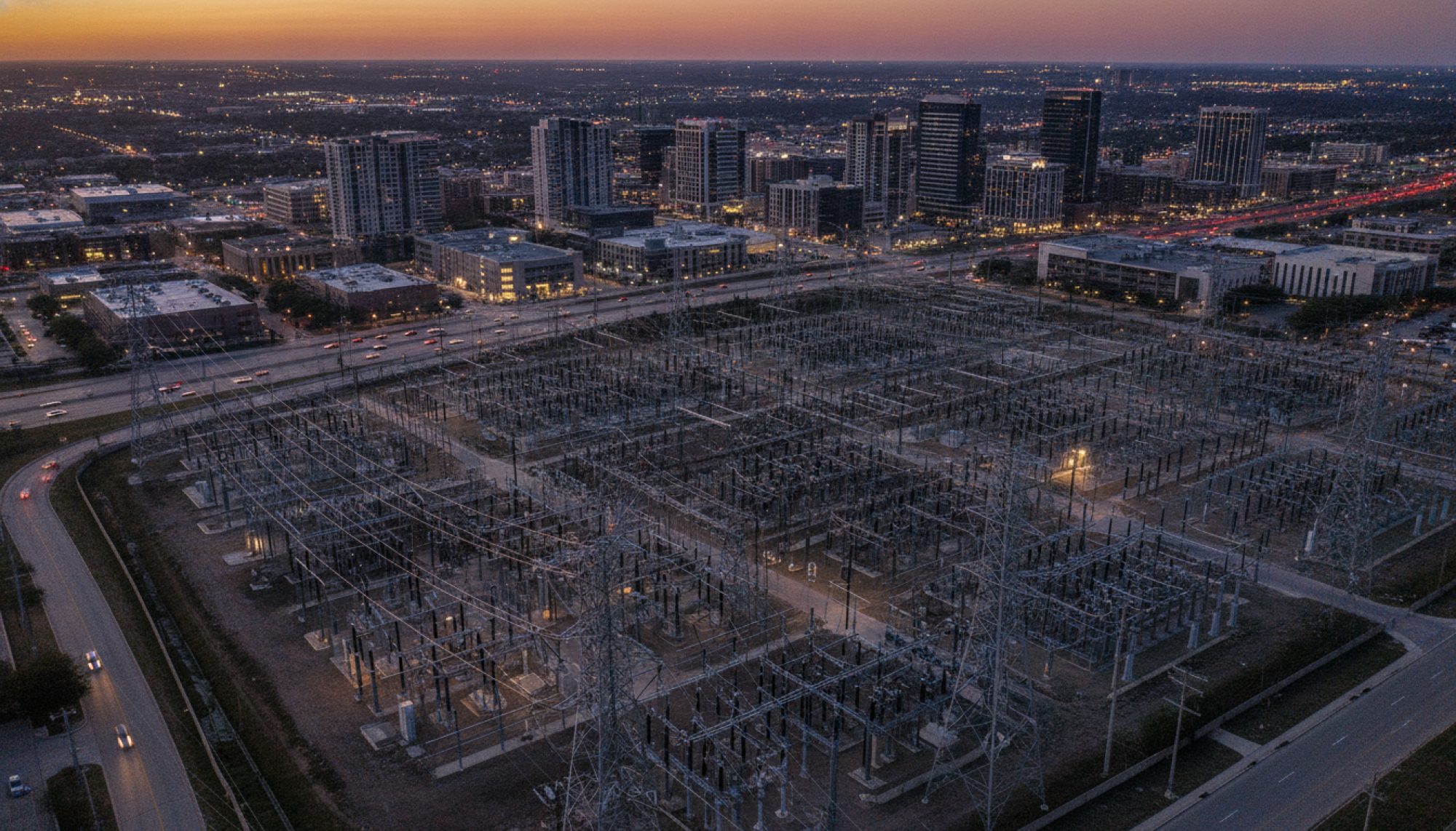
However, beneath the surface, a separate entity works tirelessly to ensure that electricity reliably flows to your property: the Transmission and Distribution Service Provider (TDSP) or TDU. These are the utility companies that own, operate, and maintain the physical infrastructure – the power lines, utility poles, smart meters, and substations – that deliver electricity across specific service territories. They are the backbone of the grid, ensuring the lights stay on.
The Six Pillars of the Texas Grid: Your Local TDSPs
Texas is home to six major TDSPs, each serving distinct geographic areas. These companies are not chosen by you; rather, your physical location determines which TDSP serves your address. They are regulated monopolies, meaning you cannot switch your TDSP like you can your REP. Their charges, which cover the costs of maintaining the grid, are approved by the Public Utility Commission of Texas (PUCT) and are passed through to you by your chosen REP on your monthly bill.
- Oncor Electric Delivery: Serving a vast and populous area, including Dallas-Fort Worth and much of North Central Texas.
- CenterPoint Energy: Primarily responsible for the Houston metropolitan area and surrounding Gulf Coast regions.
- AEP Texas Central: Covers a large swath of South Texas, including Corpus Christi, Victoria, and Laredo.
- AEP Texas North: Serves West Texas and the Panhandle, with cities like San Angelo and Abilene.
- Texas-New Mexico Power (TNMP): Operates in various smaller, non-contiguous service territories across the state, from the Gulf Coast to northern Texas.
- Lubbock Power & Light (LP&L): The newest entrant into the competitive market, LP&L recently transitioned its service territory into the ERCOT grid, bringing competitive choice to Lubbock residents.
These TDSPs are responsible for everything from repairing downed power lines to reading your smart meter data, which they then provide to your REP for accurate billing. To dive deeper into the essential components of your electricity bill and understand the various fees involved, including the regulated charges from these vital entities, learn more about what is a transmission and distribution service provider.
Why This Distinction Matters for Texans
Understanding the difference between your REP and your TDSP is not just academic; it has practical implications for your energy experience:
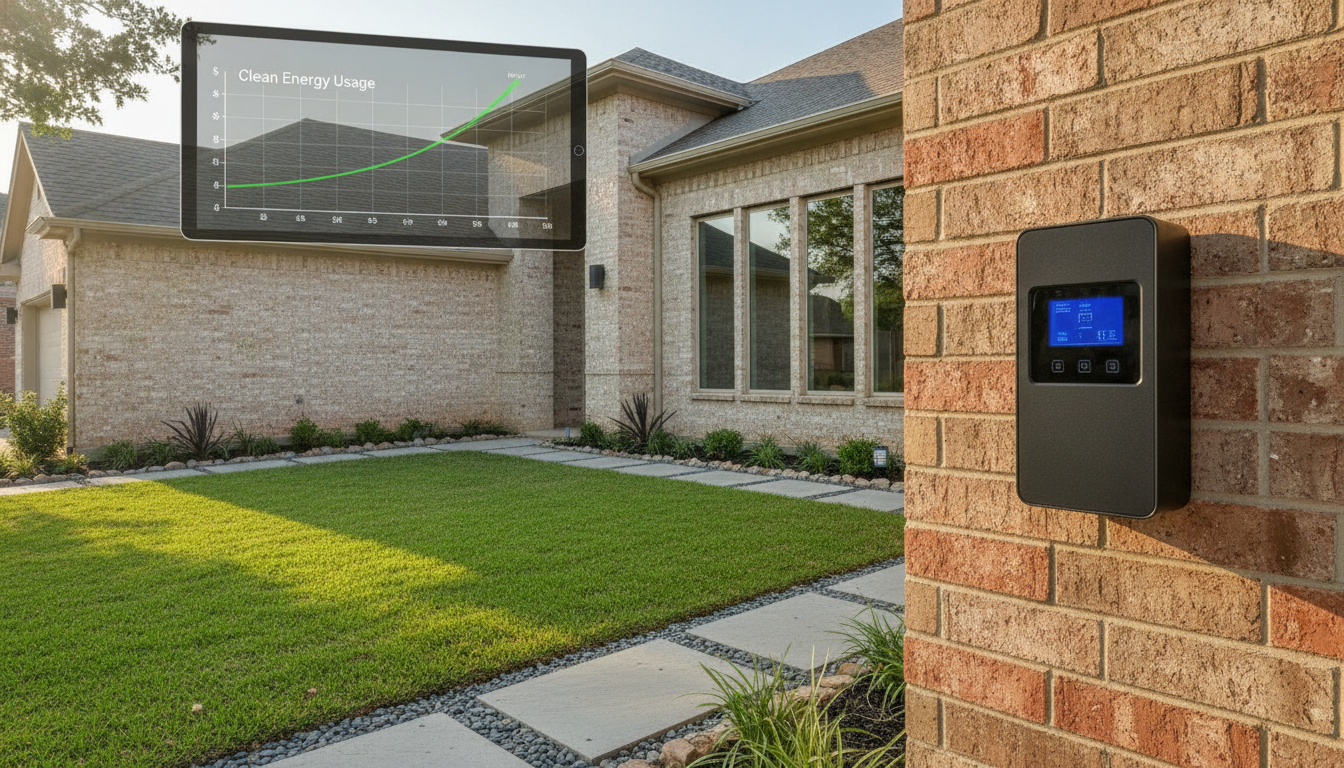
- Billing Clarity: When you see TDSP delivery charges on your bill, you’ll know these are regulated fees for infrastructure maintenance, not additional charges from your REP. They appear regardless of which REP you choose.
- Outage Response: In the event of a power outage or a downed power line, you must contact your local TDSP directly, not your REP. Your REP cannot dispatch crews or restore power. Knowing your TDSP is critical for swift action during emergencies.
- Informed Choices: When shopping for electricity, you’re choosing a REP, but your TDSP’s charges are a constant factor in your overall cost. ElectricityOne helps you compare plans with full transparency, ensuring you see all pass-through fees.
For over 20 years, ElectricityOne has been a prominent platform connecting Texas residents and businesses with the finest Retail Electric Providers (REPs) in the state, while educating them on the vital role of their local utility. Our meticulous provider selection process ensures we partner only with REPs that offer substantial cost savings, transparent disclosure of all costs and fees (including TDU pass-through charges), and a commitment to long-term customer satisfaction. We simplify the complex energy market, making it easy for you to find reliable, quick, and courteous electric service across all six major TDSP zones.
Empowering Your Energy Decisions
Navigating the deregulated Texas energy market doesn’t have to be complicated. By understanding the clear distinction between your Retail Electric Provider and your Transmission and Distribution Service Provider, you gain a deeper insight into your electricity bill and know exactly who to call when the lights go out.
ElectricityOne is here to empower you with knowledge and connect you with trusted REPs that provide exceptional value in your specific utility delivery area. Ready to find the best energy plan for your specific utility delivery area? Call 1.844.567.2863 today to speak with our Texas energy experts.
Frequently Asked Questions About TDSPs
What is the main difference between a REP and a TDSP?
A Retail Electric Provider (REP) sells you electricity and manages your account and billing. A Transmission and Distribution Service Provider (TDSP) owns and maintains the physical infrastructure (poles, wires, meters) that delivers electricity to your property.
Why do TDSP charges appear on my bill regardless of my REP?
TDSP charges are regulated fees for the maintenance and operation of the electrical grid in your area. They are approved by the PUCT and are passed through by your chosen REP. These charges are fixed for your utility area and are not set by your REP.
Who should I contact if I experience a power outage or see a downed power line?
For any power outage or electrical emergency, you must always contact your local Transmission and Distribution Service Provider (TDSP) directly, not your Retail Electric Provider. Your TDSP is responsible for dispatching crews and restoring power.