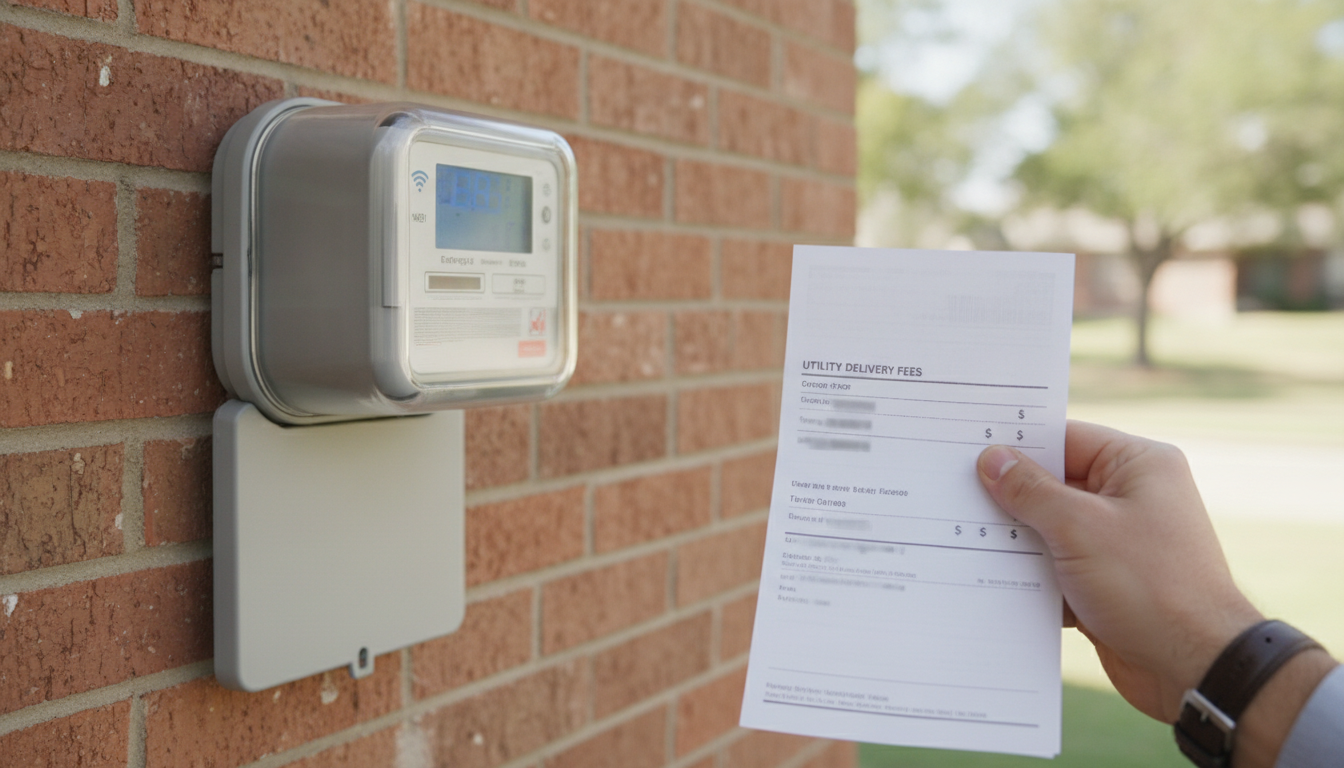
For many South Texas residents living in bustling hubs like Corpus Christi, Laredo, McAllen, and Harlingen, opening the monthly electric bill can sometimes feel like trying to decipher a foreign language. While you likely spent time shopping around for the best electricity rate from a Retail Electric Provider (REP), you probably noticed a significant portion of your bill is dedicated to utility delivery fees. Understanding how these fees work and why they appear on your statement is the first step toward taking complete control of your household budget.
Understanding the Role of AEP Central in South Texas
To make sense of your monthly energy expenses, it is crucial to understand the structure of the deregulated Texas power market. The market is divided into two primary entities: Retail Electric Providers (REPs) and Transmission and Distribution Service Providers (TDSPs), which are also commonly referred to as utilities.
While your REP is the company that sells you electricity, manages your account, and sends your monthly bill, they do not actually build or maintain the physical power grid. In South Texas, that monumental task falls to AEP Texas Central. Serving approximately 44,000 square miles across the region, AEP Central is the utility responsible for maintaining the poles, wires, and digital smart meters that keep the lights on. Because they own and service this physical infrastructure, they charge a regulated fee to transport electricity from power plants directly to your home.
Breaking Down aep texas central delivery charges
Every electricity consumer within the AEP Central service territory must pay these delivery fees, regardless of which Retail Electric Provider they choose. These are not arbitrary fees created by your provider; rather, they are pass-through charges set and regulated by the Public Utility Commission of Texas (PUCT). Your REP simply collects these fees from you and passes them directly to AEP Central.
These delivery charges generally consist of two primary components:
- A Fixed Monthly Customer Charge: A flat, recurring fee charged per billing cycle. This fee covers the administrative costs of maintaining your account and reading your meter, ensuring your home remains connected to the South Texas grid.
- A Variable Distribution Charge: A usage-based fee assessed on a per-kilowatt-hour (kWh) basis. This portion of the charge directly correlates to how much electricity your home consumes during the billing cycle. The more power you use, the more you contribute to the upkeep of the local transmission lines and distribution systems.
Because these charges are adjusted twice a year by the PUCT (typically in March and September) to reflect the shifting costs of grid maintenance and infrastructure upgrades, the exact conceptual cost per kilowatt-hour will fluctuate slightly over time.
How ElectricityOne Helps You Navigate South Texas Energy
With delivery fees representing a fixed reality of your energy bill, finding a competitive supply rate from a trustworthy provider is more important than ever. That is where ElectricityOne comes in. We act as your trusted guide through the complex landscape of Texas energy choice.
- Over 20 Years of Experience: We have spent more than two decades providing reliable, quick, and courteous electric service for Texas homes and businesses.
- Meticulous Provider Selection: We partner exclusively with the finest Retail Electric Providers operating within the AEP Central utility zone, ensuring you only choose from reputable companies.
- Absolute Transparency: Our selected REPs offer clear, transparent disclosures of all costs and fees—including AEP Central pass-through charges—so you never face unexpected billing surprises.
- Long-Term Satisfaction: We focus on connecting you with plans designed for stability, helping you secure significant cost savings over the lifespan of your contract.
Power Outages vs. Billing Questions: Who to Call?
Knowing the difference between your utility and your provider is also essential during emergencies. If you have a question about your electric plan, want to update your payment method, or have a dispute regarding your usage, you should contact your Retail Electric Provider. However, if you experience a power outage, spot a downed power line, or notice a damaged utility pole in your neighborhood, you must bypass your provider and contact AEP Texas Central directly. Because they own and service the physical grid, they are the only entity authorized to dispatch crews and restore power to your South Texas home.
Conclusion
While you cannot avoid paying utility delivery charges in South Texas, understanding how they are structured empowers you to make smarter, more informed decisions when shopping for electricity. By partnering with a trusted platform that prioritizes transparency and customer satisfaction, you can confidently secure an energy plan that fits your budget and lifestyle.
Ready to find the best energy plan for your AEP Central delivery area? Call 1.844.567.2863 today to speak with our Texas energy experts.
Frequently Asked Questions
Are AEP Texas Central delivery charges the same for every provider?
Yes. These charges are strictly regulated by the Public Utility Commission of Texas (PUCT) and are identical for every residential customer within the AEP Central service territory, regardless of which Retail Electric Provider you choose.
How often do these utility delivery rates change?
The PUCT typically permits TDSPs like AEP Central to adjust their delivery tariffs twice a year, usually in March and September, to account for grid maintenance, infrastructure development, and federal regulatory changes.
Can I opt out of paying AEP Central delivery charges?
No. If your home is connected to the physical electricity grid in the AEP Central service territory, these delivery charges are mandatory. They cover the physical delivery of power, meter reading services, and local grid maintenance.