South Texas residents in Corpus Christi, Laredo, and the Rio Grande Valley often open their monthly electricity bills only to find a confusing array of line items. While you might expect to pay only for the actual electricity you consume, a significant portion of your statement is dedicated to the cost of physically transporting that power to your home. Understanding these line items is the key to managing your household budget and choosing the right energy plan.
Understanding the Role of AEP Texas Central
To make sense of your utility bill, you must first understand the structure of the deregulated Texas energy market. Your electricity service is divided between two distinct entities: your Retail Electric Provider (REP) and your Transmission and Distribution Service Provider (TDSP). Your REP is the company you choose to buy electricity from, and they handle your billing and customer service. On the other hand, AEP Texas Central is the TDSP (or utility) for a massive 44,000-square-mile territory across South Texas, serving major hubs like Corpus Christi, McAllen, Harlingen, and Laredo.
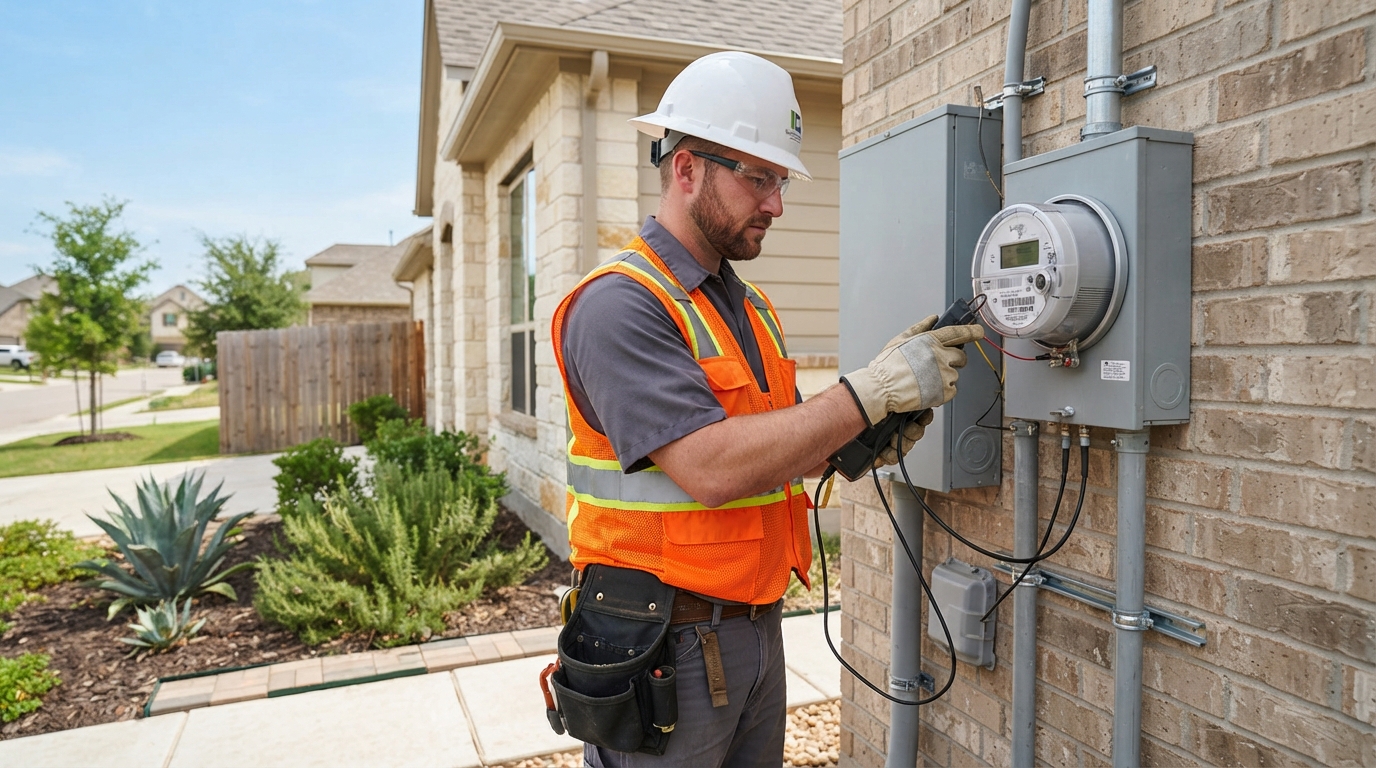
Regardless of which retail provider you choose, AEP Texas Central owns and maintains the physical infrastructure—including the power lines, poles, and electric meters. Because they deliver the electricity to your home and respond to local emergencies, they charge a regulated fee for this service, which is passed directly to your bill.
Breaking Down aep texas central delivery charges on Your Bill
The fees associated with delivering power are approved by the Public Utility Commission of Texas (PUCT) and are updated twice a year. Because these are non-bypassable, utility-regulated fees, every resident living within the AEP Central service area must pay them, regardless of their chosen retail provider. These charges are generally split into two main structural components:
Transmission and Distribution System Charges
This component includes a fixed monthly customer charge and a variable charge assessed per kilowatt-hour of electricity used. The fixed monthly utility fee covers the administrative cost of maintaining your connection to the grid, while the variable cost per kilowatt-hour covers the wear and tear on the local electrical infrastructure as electricity flows into your home.
Transition and Regulatory Recovery Fees
From time to time, you will see additional regulatory charges on your bill. These PUCT-approved fees allow AEP Texas Central to recover transition costs, fund system restoration after major coastal storms, and support energy efficiency programs across South Texas. Because these fees are standard across the entire utility zone, no retail provider can waive them.
Why Partnering with ElectricityOne Makes Sense
Navigating these pass-through fees and shopping for the best retail electricity rates can feel overwhelming. That is where ElectricityOne simplifies the process. We act as a trusted platform to connect South Texas residents with the finest Retail Electric Providers operating in the AEP Central utility zone.
When you shop through us, you benefit from:
- Over 20 years of experience providing reliable, quick, and courteous electric service for Texas homes and businesses.
- A meticulous provider selection process that partners only with reputable REPs offering substantial cost savings and long-term satisfaction.
- Transparent disclosure of all costs and fees, ensuring you clearly see how your retail rate combines with AEP Central pass-through charges.
- Expert guidance to help you avoid hidden fees and find a plan tailored to your specific household usage patterns.
Navigating South Texas Energy with Confidence
By understanding the clear distinction between your retail provider and AEP Texas Central, you can read your monthly bill with confidence. You will know exactly what you are paying for grid maintenance versus actual energy consumption. Furthermore, this knowledge is vital during emergencies: if you experience a local power outage or see a downed power line, you must contact AEP Texas Central directly to dispatch utility crews, rather than calling your retail provider.
Ready to find the best energy plan for your AEP Central delivery area? Call 1.844.567.2863 today to speak with our Texas energy experts.
What are AEP Texas Central delivery charges?
These are PUCT-regulated fees charged by AEP Texas Central for transporting electricity from power plants through their lines and poles to your home. They include a flat monthly utility fee and a variable charge based on your overall kilowatt-hour consumption.
Can I avoid paying AEP Central delivery fees by switching providers?
No. Regardless of which Retail Electric Provider (REP) you choose, AEP Texas Central owns and maintains the physical grid in your area. These delivery charges are standard pass-through fees that apply to all customers within their South Texas service territory.
How do I know if my home is in the AEP Central service territory?
If you live in South Texas cities such as Corpus Christi, Laredo, McAllen, Harlingen, or Victoria, your home is located within the AEP Texas Central delivery area, and your monthly electric bill will reflect their regulated transmission and distribution charges.