
South Texas is known for its vibrant communities, beautiful coastlines, and unique energy needs. If you live in Corpus Christi, Laredo, McAllen, or Harlingen, you probably notice several line items on your monthly electricity statement that seem distinct from your actual energy usage. Understanding how your power is delivered—and what you are actually paying for—is key to managing your household budget. For residents living within the sprawling 44,000-square-mile territory of South Texas, managing these costs starts with understanding the role of your local utility provider.
What is AEP Texas Central and How Does It Affect Your Bill?
In the deregulated Texas energy market, it is easy to confuse your Retail Electric Provider (REP) with your Transmission and Distribution Service Provider (TDSP). Your REP is the company you choose to buy electricity from; they handle your enrollment, send your monthly bills, and manage your customer service. AEP Texas Central, on the other hand, is the utility company that physically maintains the grid, poles, and wires across South Texas. They are responsible for delivering the electricity to your home, regardless of which REP you choose.
Because AEP Texas Central owns and maintains this physical infrastructure, they charge fees for this service. These fees are approved by the Public Utility Commission of Texas (PUCT) and are passed directly to consumers through their retail electric bills. No matter which retail provider you select, you will see aep texas central delivery charges applied to your monthly statement. These charges ensure that the local grid remains stable, safe, and capable of delivering power to your doorstep.
Breaking Down the Regulated Fees on Your Statement
Your delivery charges are split into two primary components: a flat monthly customer charge and a volumetric charge based on your energy consumption. Because these fees are regulated, they are non-negotiable and remain consistent across all retail electric providers in the region.
The Fixed Monthly Utility Fee
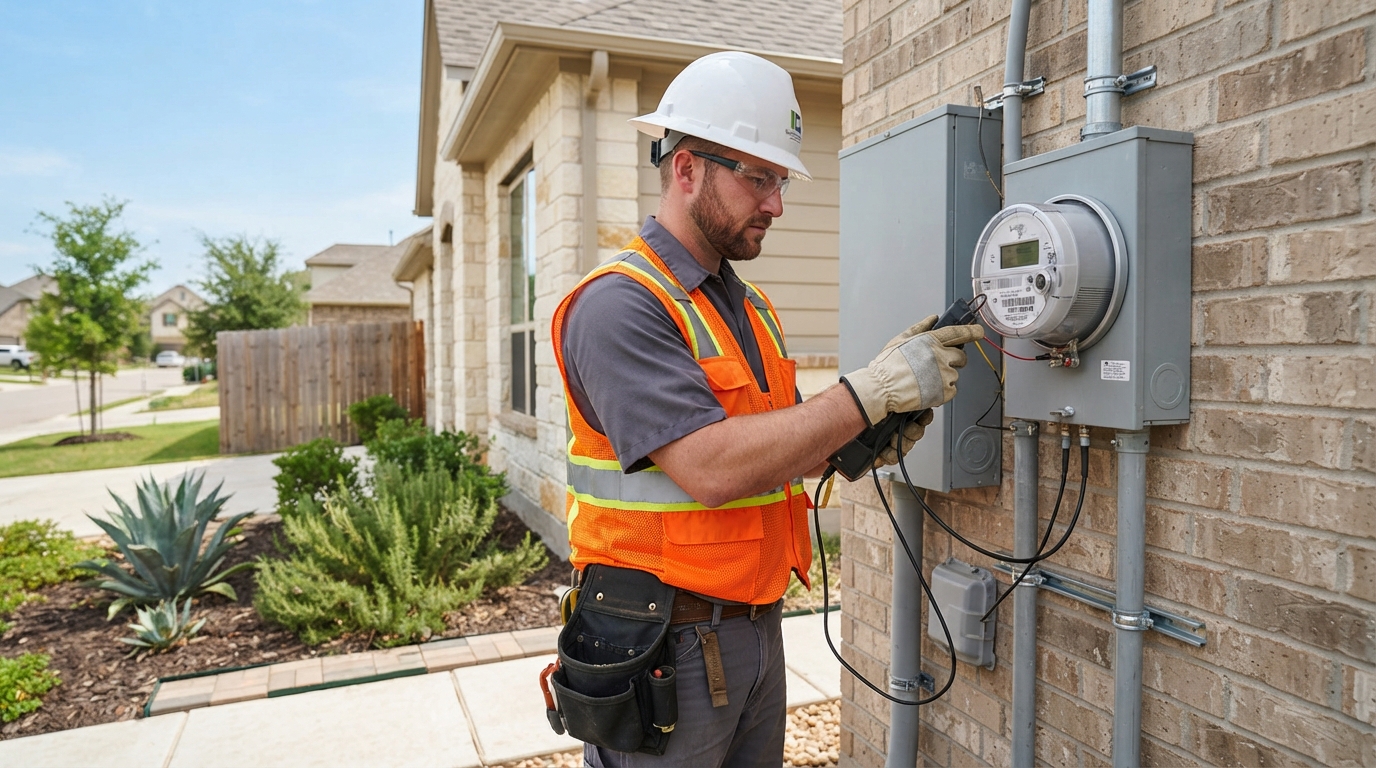
This is a flat, recurring charge applied to your account every billing cycle. It covers the administrative costs of maintaining your connection to the grid, maintaining the physical electric meter at your property, and customer service operations handled by the utility.
The Volumetric Transmission and Distribution Charge
This fee is calculated on a cost-per-kilowatt-hour basis. The more electricity your household consumes during a billing cycle, the higher this portion of the delivery fee will be. This revenue directly funds the maintenance of high-voltage transmission lines, local distribution wires, and the substations that step down power for residential use.
How ElectricityOne Simplifies the South Texas Energy Market
While you cannot change your utility company or avoid their regulated delivery charges, you have complete control over the retail rate you pay for your electricity. Shopping for the right energy plan in South Texas can feel overwhelming, but ElectricityOne is here to help you navigate the process with ease.
With a commitment to transparency and customer satisfaction, ElectricityOne helps you compare plans from top-tier REPs operating in the AEP Texas Central territory. Here is how we make a difference:
- Over 20 Years of Experience: We have spent over two decades providing reliable, quick, and courteous electric service connections for Texas homes and businesses.
- Meticulous Provider Selection: We partner exclusively with premier Retail Electric Providers that offer substantial cost savings and long-term customer satisfaction.
- Transparent Disclosure: We ensure that all prospective plans clearly disclose all costs, including AEP Texas Central pass-through charges, so you never face hidden surprises on your bill.
- Expert Guidance: Our Texas-based energy experts help you find tailored plans that align with your unique household energy usage patterns.
Navigating Your South Texas Utility Bill and Emergencies
Understanding the distinction between your REP and AEP Texas Central is also critical during emergencies. If you experience a local power outage, a flickering connection, or spot a downed power line in your neighborhood, you should not contact your retail provider. Because your REP does not own or service the physical lines, they cannot dispatch repair crews. Instead, you must contact AEP Texas Central directly to report the issue and receive real-time restoration updates.
By keeping a close eye on your delivery charges and shopping smart for your retail electricity rates, you can secure a reliable energy plan that keeps your South Texas home comfortable all year long without breaking the bank.
Ready to find the best energy plan for your AEP Central delivery area? Call 1.844.567.2863 today to speak with our Texas energy experts.
Frequently Asked Questions
Are utility delivery charges the same for every retail provider?
Yes. Delivery charges are set and regulated by the Public Utility Commission of Texas (PUCT). Every retail provider in the AEP Texas Central territory must pass these exact same fees through to their customers without any markup.
How often do these delivery charges change?
The PUCT typically permits utility companies to adjust their delivery charges twice a year (usually in the spring and fall) to account for changes in infrastructure costs and grid maintenance investments.
Can I opt out of paying delivery charges if I switch to solar?
As long as your home remains connected to the local utility grid to receive backup power when your solar panels are not producing energy, you will still be subject to the standard utility delivery charges and customer fees.