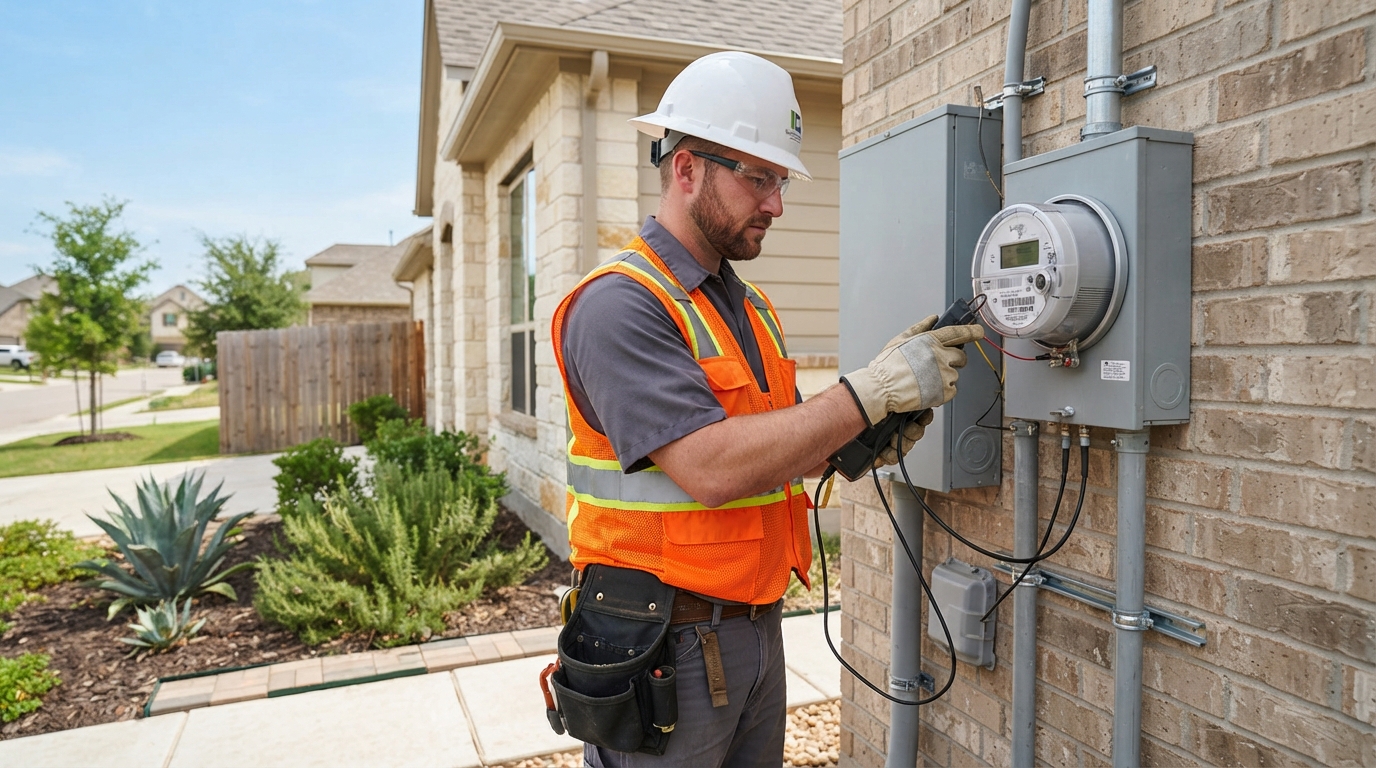

If you have ever opened your Texas electricity bill or signed up for a new energy plan, you might have noticed a bit of a dual identity. Perhaps you selected a plan from a prominent provider like Payless Power, yet you still see Oncor, CenterPoint, or TNMP trucks rolling down your street to service the physical lines. Why are there two different companies involved in keeping your lights on? Understanding this dynamic is the key to mastering your energy budget in the Lone Star State.
The Dynamic Duo of Texas Energy: REPs vs. TDSPs
In the deregulated Texas electricity market, the responsibilities of delivering power are split between two distinct entities: Retail Electric Providers (REPs) and Transmission and Distribution Service Providers (TDSPs, also known as TDUs or utilities). Knowing who does what is essential for managing your utility bills and understanding how your power is delivered.
A Retail Electric Provider is the company you choose to buy your electricity from. REPs handle your customer account, manage your billing, and purchase wholesale electricity to sell to you. A prime example of a top-tier Texas REP is Payless Power, known for offering flexible, no-deposit electricity options. However, even though you buy your power from a provider, they do not own the physical poles and wires. That is where your local TDSP comes in.
Your TDSP is the utility company that physically maintains the electrical grid, repairs downed power lines during storms, and reads your smart meter. There are six major TDSPs servicing the deregulated areas of Texas:
- Oncor: Servicing Dallas-Fort Worth, West Texas, and parts of Central Texas.
- CenterPoint Energy: Serving the greater Houston metropolitan area.
- AEP Texas Central: Covering South Texas, including Corpus Christi and McAllen.
- AEP Texas North: Serving Northern and Western Texas communities like Abilene and San Angelo.
- Texas New-Mexico Power (TNMP): Covering various pockets across Texas, including areas near Houston, DFW, and West Texas.
- Lubbock Power & Light (LP&L): The newest utility to transition into the competitive ERCOT market.
Understanding Pass-Through Fees: Texas TDSP Delivery Charges Explained
When you look closely at your monthly statement, you will see charges associated with your utility company. To help demystify these costs, let’s have the mechanics of texas tdsp delivery charges explained. These fees are not marked up or determined by your chosen retail provider; instead, they are direct pass-through charges regulated and approved by the Public Utility Commission of Texas (PUCT).
TDSP charges cover the cost of maintaining the physical infrastructure that delivers electricity to your home. They consist of a fixed monthly utility fee per connection and a volumetric cost per kilowatt-hour. Because these fees are set by the utility company and approved by the state, they remain exactly the same no matter which retail provider you choose to buy your electricity from. Whether you are on a traditional postpaid plan or a prepaid plan, these regulated distribution charges will always be passed through to your account based on your local utility’s tariff.
How Payless Power Prepaid Plans Fit In
For Texans looking for flexibility and control over their energy spending, prepaid electricity plans are an excellent solution. Providers like Payless Power offer highly convenient options, including their popular 6 Month – Prepaid and 12 Month – Prepaid plans. These plans allow you to bypass credit checks and expensive upfront deposits by letting you pay for your electricity as you go.
When you enroll in Payless Power prepaid plans, you establish a prepaid daily balance. Each day, your electricity consumption is calculated, and the corresponding cost is deducted from your balance. It is important to remember that even with a prepaid structure, the standard TDSP delivery charges are still factored into your daily usage calculations. While Payless Power manages your account, billing, and balance alerts, your local TDSP—whether it is Oncor, CenterPoint, or AEP—remains responsible for delivering the physical power to your home and maintaining your meter.
How ElectricityOne Simplifies Your Energy Search
Navigating the relationship between utilities and retail providers can feel overwhelming, but you do not have to do it alone. ElectricityOne is a prominent platform dedicated to connecting Texas residents and businesses with the state’s finest REPs while educating them on their local utility landscape. With a deep commitment to transparency and customer satisfaction, ElectricityOne makes finding the right plan seamless.
Here is how ElectricityOne works to your advantage:
- Over 20 Years of Experience: Providing reliable, quick, and courteous energy connection services across Texas homes and businesses.
- Meticulous Provider Selection: Partnering only with reputable REPs—like Payless Power—that offer substantial cost savings and long-term satisfaction.
- Complete Cost Transparency: Ensuring all costs and fees, including TDU pass-through charges, are clearly disclosed so you never face hidden surprises.
- Comprehensive Grid Coverage: Helping you compare plans across all six major TDSP zones, ensuring you find the perfect match for your specific geographic location.
Empower Your Energy Decisions
Understanding the distinction between your retail provider and your utility company does more than just clarify your monthly bill; it also ensures you know exactly who to call in an emergency. If your power goes out or you spot a downed power line, contacting your retail provider won’t resolve the issue. Instead, you must contact your local TDSP directly, as they are the ones equipped to handle physical grid emergencies.
By understanding how pass-through charges work and partnering with trusted platforms, you can confidently choose the best energy plan for your lifestyle. Ready to find the best energy plan for your specific utility delivery area? Call 1.844.567.2863 today to speak with our Texas energy experts.
Frequently Asked Questions
What is the difference between a REP and a TDSP?
A Retail Electric Provider (REP) is the company that sells you electricity, manages your billing account, and offers customer support. A Transmission and Distribution Service Provider (TDSP) is the utility company that physically delivers the electricity, maintains the power lines, and responds to power outages in your area.
Do prepaid plans include TDSP delivery charges?
Yes. Regardless of whether you choose a prepaid plan or a traditional postpaid contract, TDSP delivery charges are state-regulated pass-through fees that apply to all electricity consumers. These charges are factored into your daily balance deductions on prepaid plans.
Who should I contact during a power outage?
During a power outage or physical emergency like a downed power line, you should contact your local TDSP (such as Oncor, CenterPoint, or AEP) directly, rather than your retail provider. Your TDSP owns and maintains the physical infrastructure and is responsible for restoring power.