If you have ever opened your Texas electricity bill and wondered why there are multiple company names listed, you are not alone. Many Texans sign up for service with a brand like ElectricityOne or Payless Power, only to see an Oncor or CenterPoint Energy truck parked on their street during a storm. This division of labor is a fundamental feature of the deregulated Texas energy market. Understanding how these entities interact is the key to managing your monthly energy costs and choosing the right plan for your home.
REP vs. TDSP: Who Does What in the Lone Star State?
To navigate the Texas energy market successfully, you must first understand the distinct roles of your Retail Electric Provider (REP) and your Transmission and Distribution Service Provider (TDSP, also known as a TDU or utility company). Your REP is the company you choose to buy electricity from. They manage your account, handle billing, and provide customer service. A prime example of a leading Texas REP is Payless Power, known for offering flexible, no-deposit electricity solutions that put consumers in control of their energy budgets.
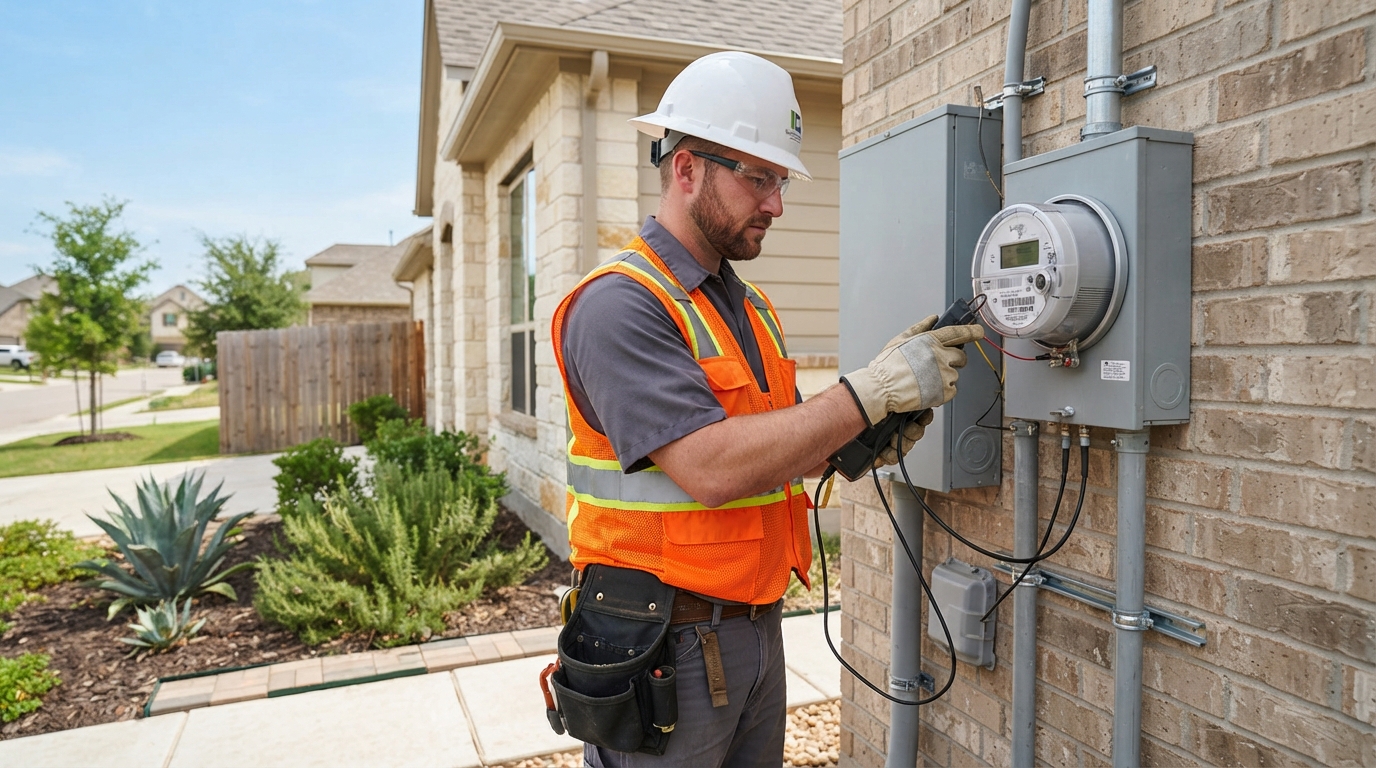
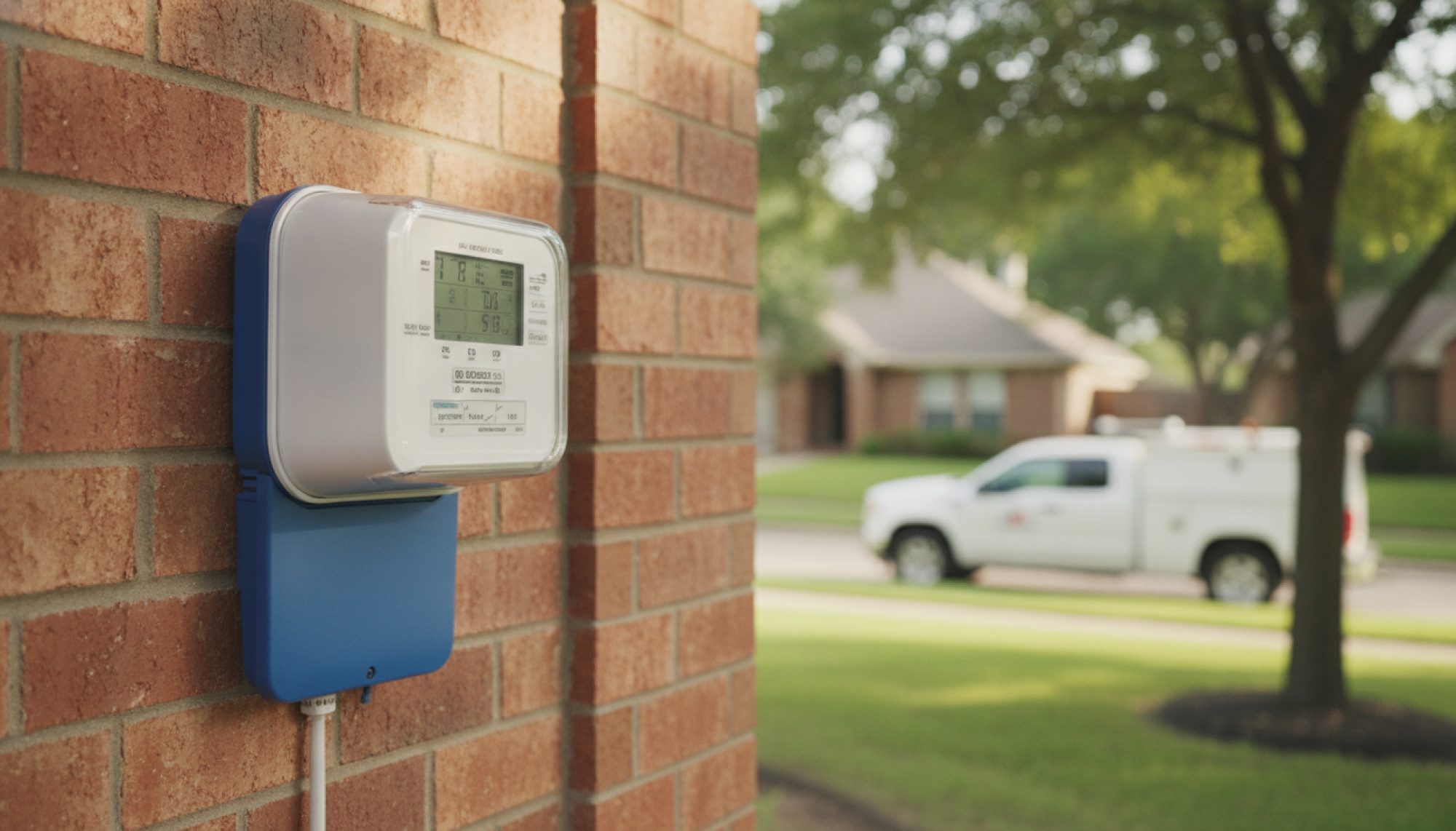
On the other hand, your TDSP is the utility company that physically delivers the electricity to your home. They own and maintain the actual poles, wires, transformers, and smart meters. Regardless of which REP you select to manage your electricity account, your local TDSP remains the same based on your physical location. The six major utility companies serving deregulated Texas include Oncor, CenterPoint Energy, AEP Central, AEP North, Texas New-Mexico Power (TNMP), and Lubbock Power & Light (LP&L).
Texas TDSP Delivery Charges Explained: What Are They?
When you look at your monthly statement, you will notice a section dedicated to utility fees. To have these texas tdsp delivery charges explained simply, they are the regulated costs associated with transmitting electricity from power plants, across high-voltage lines, and directly into your home. These charges are fully regulated by the Public Utility Commission of Texas (PUCT) and are updated twice a year. Because they are set by the state and the utility companies, these fees are non-negotiable and are passed through directly to the consumer without any markup from your retail provider.
These delivery charges consist of two main components: a fixed monthly utility fee and a volumetric charge based on your cost per kilowatt hour of usage. Because these are pass-through fees, every single resident in a specific utility territory pays the exact same delivery rate, regardless of whether they are on a fixed-rate, variable-rate, or prepaid electricity plan.
How Delivery Charges Impact Prepaid Electricity Plans
For Texans seeking flexibility without the hassle of credit checks or steep upfront deposits, prepaid electricity plans are an excellent option. Payless Power is a premier provider in this space, offering highly popular options like their 6 Month – Prepaid and 12 Month – Prepaid plans. These plans allow you to maintain a prepaid daily balance, receiving alerts when your funds are running low so you can top up your account on your own schedule.
However, it is vital to understand how utility fees interact with these plans. Even when you choose Payless Power prepaid plans, the local TDSP charges are still deducted from your prepaid balance. While Payless Power manages your account, tracks your usage, and handles your payments, your local TDSP—whether it is Oncor in Dallas, CenterPoint in Houston, or LP&L in Lubbock—is still the entity delivering the physical power and charging the regulated pass-through fees. Transparent providers will always clearly disclose these TDU charges so that you can manage your daily balance accurately without any unexpected surprises.
Simplifying Your Search with ElectricityOne
Navigating the relationship between utility territories and retail providers can feel overwhelming. That is where ElectricityOne comes in. As a trusted platform with over two decades of experience, we make it easy to find the perfect energy plan for your specific area. Here is how we help Texas residents take control of their electricity bills:
- 20+ Years of Texas Expertise: We have spent two decades helping Texas homes and businesses find reliable, quick, and courteous electric service.
- Meticulous Provider Selection: We partner only with top-tier REPs like Payless Power that offer genuine cost savings, reliable service, and transparent terms.
- 100% Fee Transparency: We ensure that all TDU pass-through charges are clearly explained up front, so you never have to worry about hidden fees on your statement.
- Seamless Integration: We connect you with the best rates available in your specific TDSP zone, whether you are served by Oncor, CenterPoint, AEP, TNMP, or LP&L.
Conclusion: Take Control of Your Texas Energy Bill
By understanding the difference between your retail provider and your utility company, you can make more informed decisions about your energy usage and plan selection. Knowing that TDSP charges are regulated pass-through fees helps you read your bill with confidence and understand exactly where your money is going. Whether you prefer the structure of a traditional plan or the flexibility of a prepaid option, knowing your utility territory is the first step toward savings.
Ready to find the best energy plan for your specific utility delivery area? Call 1.844.567.2863 today to speak with our Texas energy experts.
Frequently Asked Questions
Why do I have to pay TDSP delivery charges on a prepaid plan?
TDSP charges are regulated pass-through fees set by the Public Utility Commission of Texas to cover the cost of maintaining the physical electrical grid. Because the utility company still delivers the physical electricity to your home, these charges apply to all electricity customers, regardless of whether you choose a prepaid or traditional plan.
Do TDSP delivery charges change throughout the year?
Yes, TDSP delivery charges are typically adjusted twice a year, usually in the spring and fall, with approval from the Public Utility Commission of Texas. These adjustments reflect the changing costs of maintaining grid infrastructure and are passed through directly to consumers on all plans.
Who should I call if my power goes out, my REP or my TDSP?
You should always contact your local TDSP (such as Oncor, CenterPoint, AEP, TNMP, or LP&L) during a power outage or downed power line emergency. Your retail provider manages your billing and account balance, but your utility company is responsible for repairing wires, poles, and restoring physical power to your home.