
For South Texas residents living in cities like Corpus Christi, Laredo, McAllen, and Victoria, opening a monthly electricity bill can sometimes feel like trying to decode a complex puzzle. You see charges from your chosen Retail Electric Provider (REP), but there is another significant section dedicated to your Transmission and Distribution Service Provider (TDSP)—specifically, AEP Texas Central. Understanding how these fees are structured is essential for anyone looking to manage their household budget and find the most cost-effective energy plans in the Lone Star State.
What Are AEP Texas Central Delivery Charges?
No matter which retail company you choose to buy your electricity from, the physical delivery of that power is managed by a regional utility. In South Texas, this utility is AEP Texas Central, which maintains the poles, wires, and meters across a massive 44,000 square mile service territory. The costs associated with maintaining this infrastructure are passed directly to consumers as aep texas central delivery charges. These fees are strictly regulated by the Public Utility Commission of Texas (PUCT) and are updated twice a year. Because they are non-negotiable delivery tariffs, every resident and business within the AEP Central utility zone pays the exact same rate for delivery, regardless of their chosen energy provider.
REP vs. TDSP: Who Does What in South Texas?
To shop smart, you must understand the clear distinction between your Retail Electric Provider and AEP Texas Central. Your REP is the company that sells you electricity, manages your account, and sends your monthly bill. Whether you are comparing plans similar to the electricity Houston residents use, analyzing options comparable to electricity dallas structures, or searching for local South Texas options, your REP is your retail partner. For commercial enterprises, REPs also tailor specific business electricity plans to meet high-demand operational needs. Furthermore, some consumers prefer the flexibility of a prepaid electric service to keep their overhead predictable.
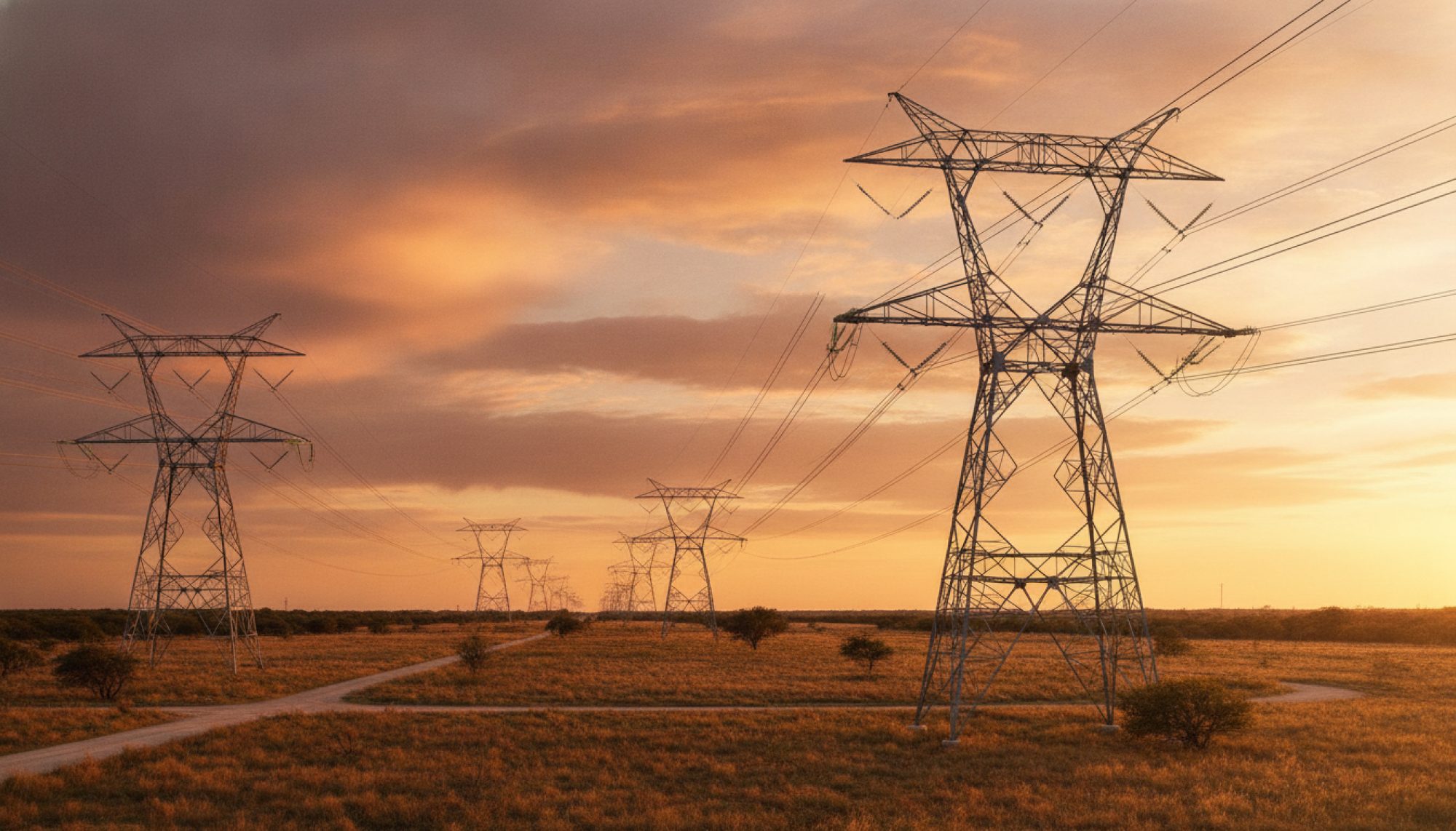
On the other hand, AEP Texas Central is the utility company. They do not sell electricity; they deliver it. They own the physical grid, read your smart meter, and dispatch crews to repair downed power lines after a storm in the Rio Grande Valley or along the Gulf Coast. While the state’s official power to choose website lists dozens of retail plans, every single one of those plans will feature the exact same AEP Central delivery charges bundled or listed separately on your bill.
Breaking Down the Components of Your Delivery Fees
Your delivery charges are divided into two main categories, both of which appear as pass-through charges on your monthly statement:
- The Fixed Monthly Utility Fee: A flat charge assessed per billing cycle. This fee covers the administrative costs of maintaining your connection to the local grid, regardless of how much electricity you consume.
- The Variable Distribution Charge: A volumetric fee assessed per kilowatt-hour (kWh) of electricity you use. This fee covers the actual transportation of power through the high-voltage transmission lines and local distribution wires to your home.
Because these charges are set by regulatory authorities, focus your energy shopping on the retail portion of your rate. Lowering your retail rate is the only way to significantly decrease your overall energy expenses.
How ElectricityOne Helps You Navigate the South Texas Market
Finding the right energy plan in a complex, deregulated market requires expertise. At ElectricityOne, we act as your trusted bridge, connecting homeowners and businesses in the AEP Texas Central service area with premier, vetted retail providers.
- Over 20 Years of Experience: We bring more than two decades of dedicated service, helping Texans find reliable, quick, and courteous electricity solutions.
- Meticulous Provider Selection: We partner exclusively with top-tier REPs that offer substantial cost savings, long-term satisfaction, and stellar customer service.
- 100% Cost Transparency: We ensure that all AEP Central pass-through charges and retail fees are clearly disclosed upfront, protecting you from hidden costs and unexpected billing surprises.
Take Control of Your Energy Costs Today
Understanding the role of AEP Texas Central not only helps you read your monthly bill with confidence but also ensures you know exactly who to contact during emergencies. In the event of a local power outage or a downed power line in Harlingen, McAllen, or Laredo, you must contact AEP Texas Central directly rather than your retail provider, as they are the ones who physically manage the grid. By partnering with a trusted platform like ElectricityOne, you can confidently shop the retail market knowing that your delivery charges are handled by a reliable utility, while your supply rate is optimized for maximum savings.
Ready to find the best energy plan for your AEP Central delivery area? Call 1.844.567.2863 today to speak with our Texas energy experts.
Frequently Asked Questions
What are AEP Texas Central delivery charges?
These are PUCT-regulated fees charged by AEP Texas Central for delivering electricity through their physical poles and wires to your home or business in South Texas. They are pass-through charges that remain the same regardless of which retail electric provider you choose.
How often do these utility delivery charges change?
The Public Utility Commission of Texas permits TDSPs like AEP Texas Central to adjust their delivery tariffs twice a year, typically in the spring and fall, to reflect the ongoing costs of grid maintenance and infrastructure upgrades.
Do I receive a separate bill from AEP Texas Central?
No. Your chosen Retail Electric Provider (REP) consolidates all charges into a single monthly bill. The AEP Texas Central delivery fees are simply listed as a separate line item on that bill and are collected by your REP to be passed directly to the utility.