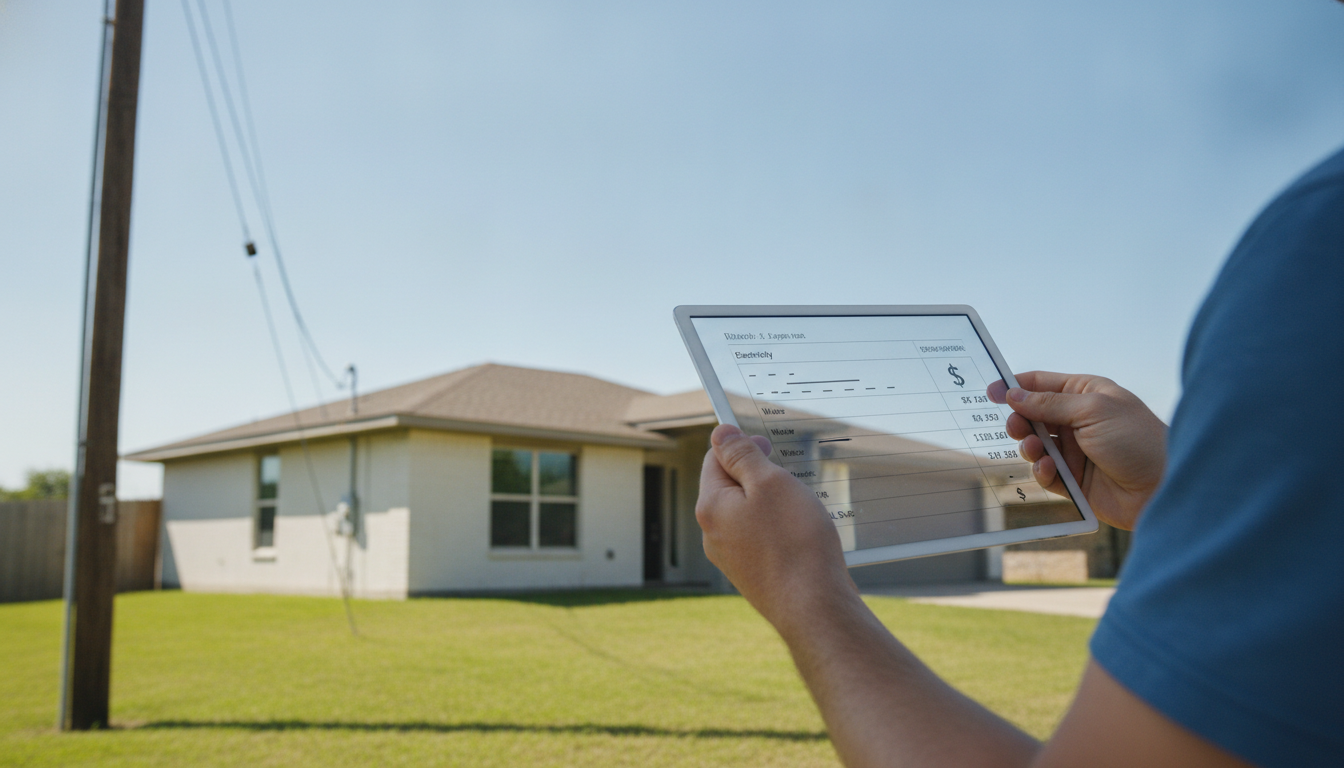
South Texas residents from Corpus Christi to Laredo often open their monthly electric bills and wonder why they are paying more than just their energy usage rate. If you live in the AEP Texas Central service territory—which covers roughly 44,000 square miles across South Texas, including major hubs like McAllen, Harlingen, and Victoria—you will see fees listed that go directly to your Transmission and Distribution Service Provider (TDSP). Understanding how these aep texas central delivery charges work is key to managing your home energy budget.
The Difference Between Your Retail Provider and AEP Central
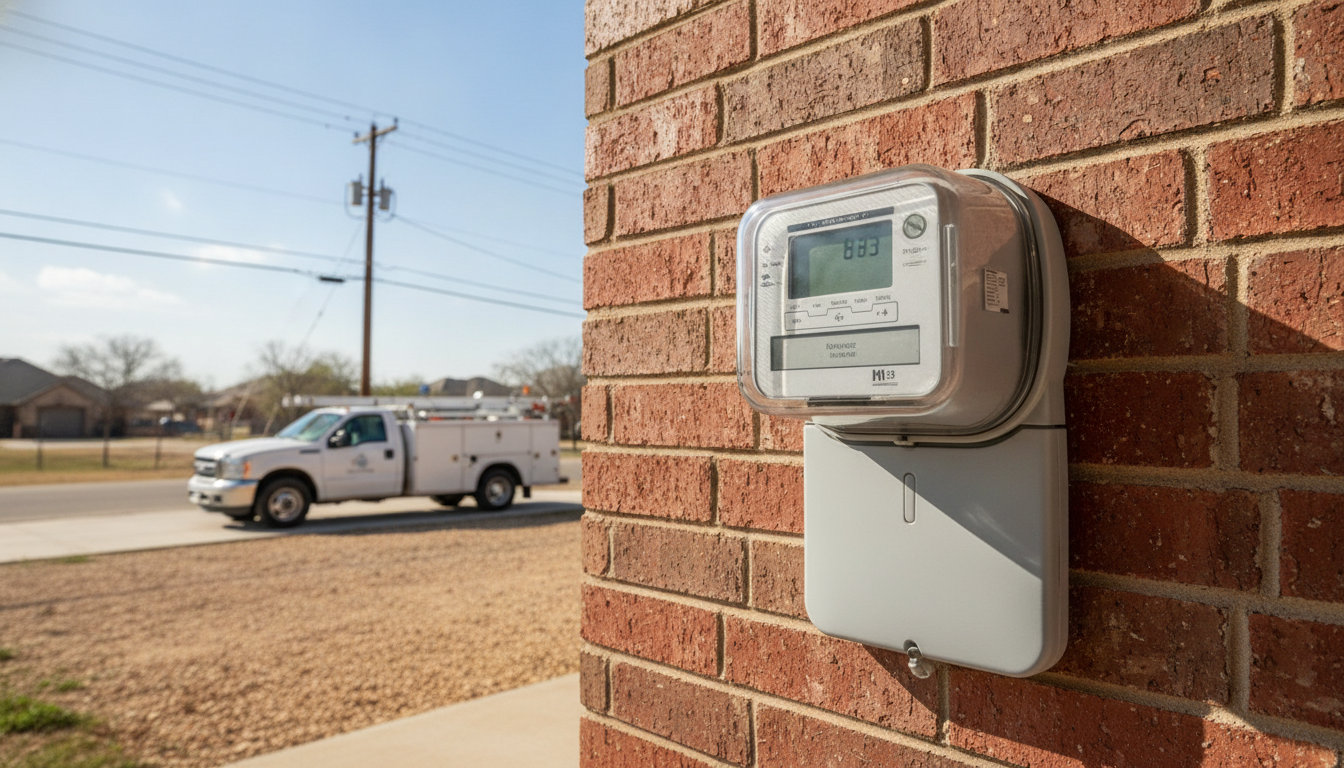
To understand your electric bill, you must first distinguish between your Retail Electric Provider (REP) and your utility (AEP Central). In the deregulated Texas market, your REP is the company that sells you electricity, manages your account, and sends your monthly bill. On the other hand, AEP Central is the utility or TDSP. They own and maintain the physical infrastructure—including the poles, wires, transformers, and meters—that delivers electricity to your home or business.
While residents shopping for electricity Houston or electricity dallas deal with other regional utility companies like CenterPoint or Oncor, South Texans within the AEP Central footprint must account for AEP’s specific delivery fees, which are passed through to every customer regardless of which REP they choose.
Understanding Your Delivery and Transmission Charges
AEP Central charges are fully regulated by the Public Utility Commission of Texas (PUCT). These charges cover the cost of maintaining the electrical grid, restoring power after coastal storms, and reading your smart meter. They generally consist of two main components:
- Fixed Monthly Customer Charge: A flat fee charged per billing cycle to cover the cost of maintaining your account and connection to the grid.
- Variable Distribution Charge: A volumetric charge assessed per kilowatt-hour (kWh) of electricity you consume during the billing cycle.
Because these are pass-through charges, they are exactly the same for every resident in the AEP Central territory, no matter which energy plan you select. Whether you are setting up residential service, looking for a prepaid electric service for quick connection, or comparing commercial rates for business electricity plans, knowing these fees is essential to calculating your true total cost.
How to Shop Smart in the AEP Central Territory
Many Texans turn to the state’s power to choose website to shop, but navigating multiple providers and hidden fees can still feel overwhelming. That is where a trusted partner makes all the difference.
With over 20 years of experience providing reliable, quick, and courteous electric service for Texas homes and businesses, ElectricityOne simplifies the shopping process. We act as a prominent platform that connects South Texas residents with the finest Retail Electric Providers operating within the AEP Central utility zone. Our value proposition is built on trust and clarity:
- Over 20 Years of Texas Expertise: We understand the unique dynamics of the Texas grid and help you avoid common billing pitfalls.
- Meticulous Provider Selection: We only partner with REPs that offer substantial cost savings and long-term customer satisfaction.
- Complete Cost Transparency: We ensure all costs—including AEP Central pass-through charges—are clearly disclosed before you sign up.
Take Control of Your South Texas Energy Bill
Understanding AEP Central’s role not only helps you read your monthly bill better but also ensures you know who to call in a South Texas power emergency. In the event of a power outage or a downed power line, you should always contact AEP Central directly, as they are the ones who dispatch crews to restore service.
Ready to find the best energy plan for your AEP Central delivery area? Call 1.844.567.2863 today to speak with our Texas energy experts.
Frequently Asked Questions
What are AEP Texas Central delivery charges?
These are PUCT-regulated fees charged by AEP Central to cover the cost of maintaining the physical poles, wires, and meters that deliver electricity to your home or business in South Texas. They are passed through to your bill without any markup from your retail provider.
Can I avoid paying AEP Central delivery fees?
No. Regardless of which Retail Electric Provider you choose, AEP Central owns the physical delivery infrastructure in your area. Therefore, these regulated delivery charges are mandatory for all customers within their service territory.
Who should I call during a power outage in South Texas?
You should contact AEP Central directly to report outages or downed power lines. Your Retail Electric Provider only handles billing and cannot dispatch crews to restore power during an emergency.