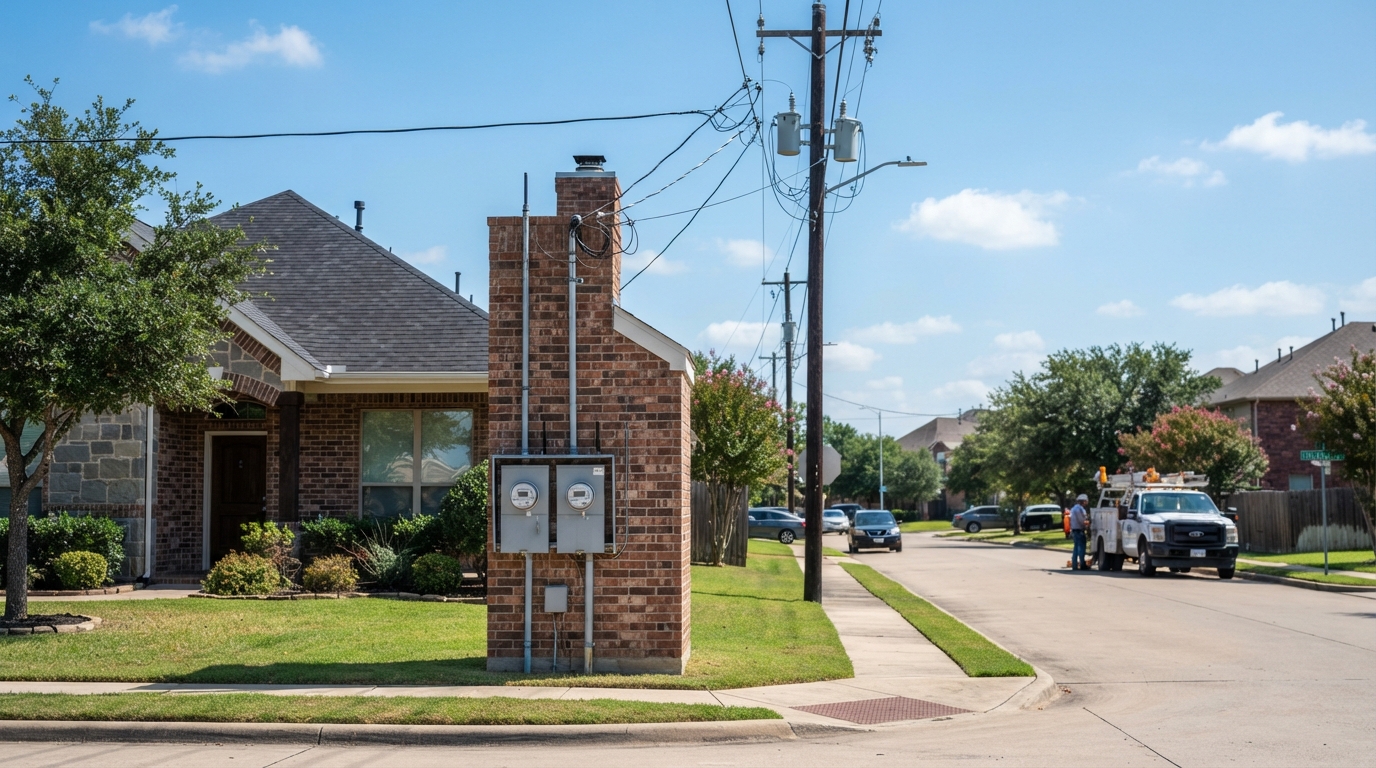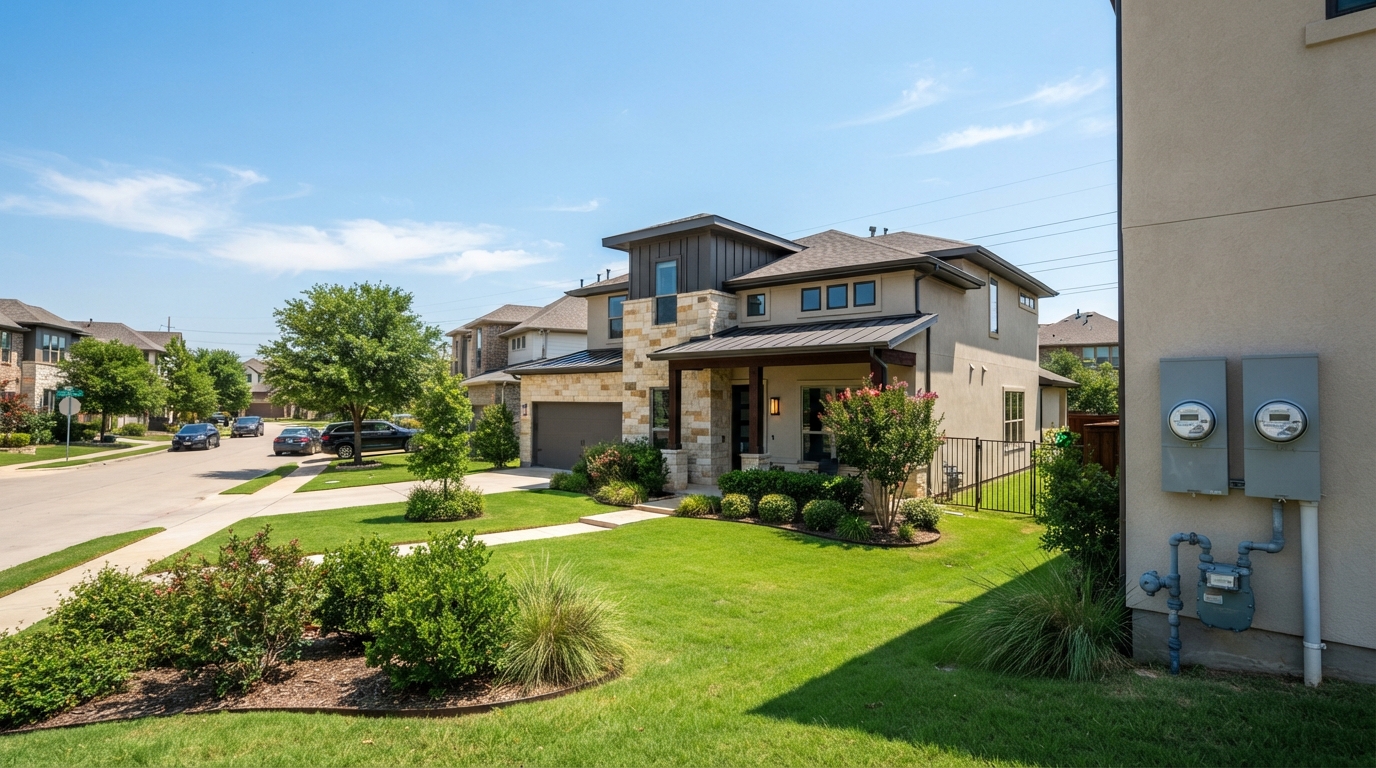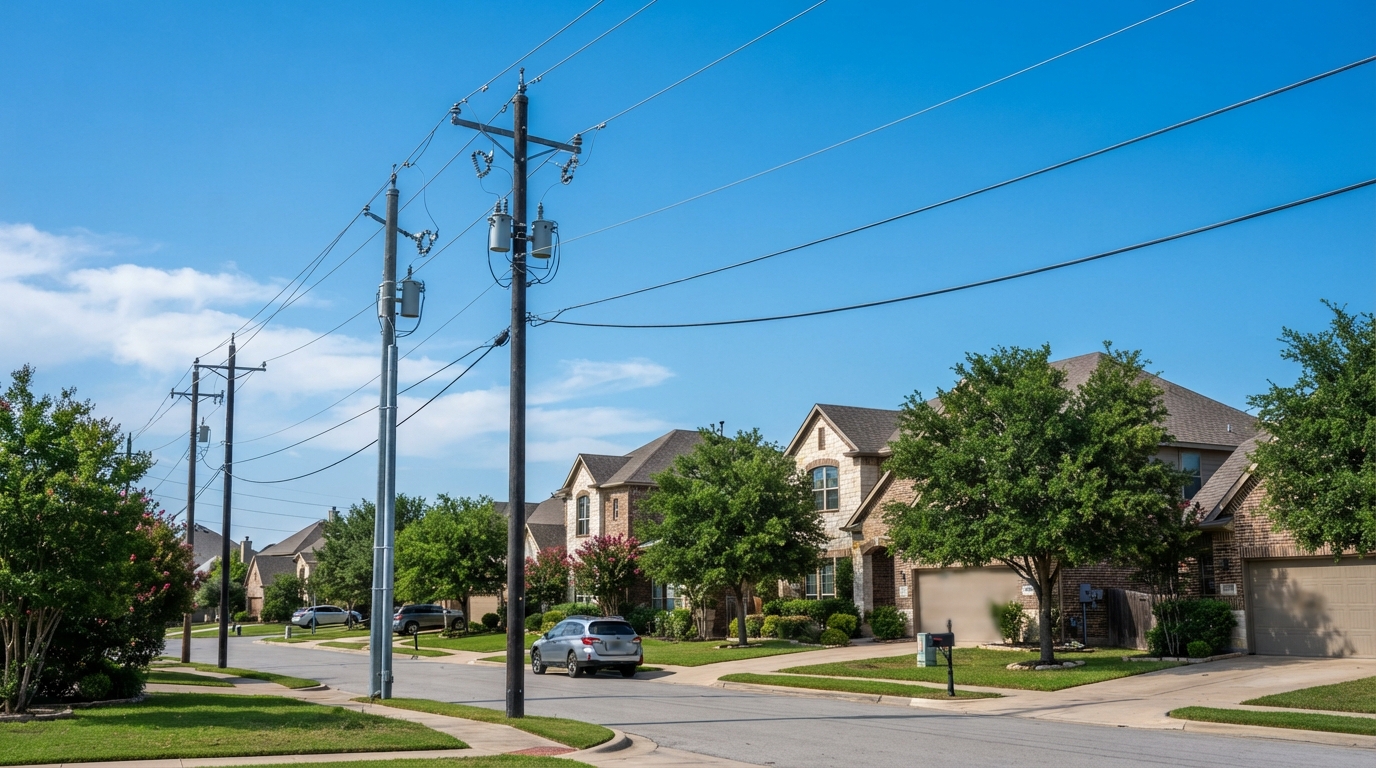
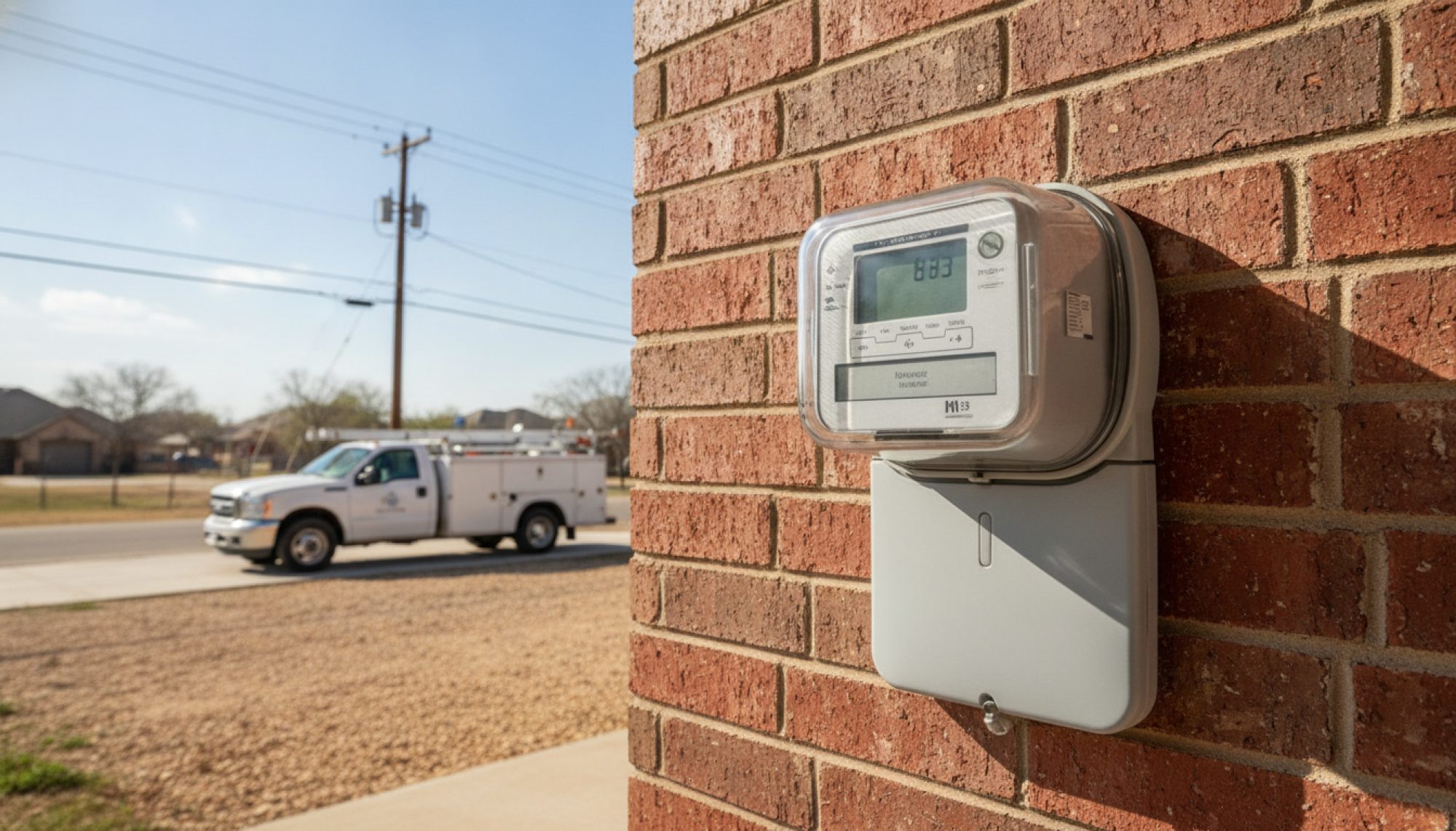
If you have ever opened your Texas electricity bill and wondered why you are paying a company like Payless Power for your electricity, yet you see Oncor or CenterPoint utility trucks driving down your street, you are not alone. Many Texans are confused by the dual-company structure of the state’s deregulated energy market. When you sign up for electricity, you interact with a Retail Electric Provider (REP) to manage your payments and plan. However, a completely separate entity—the Transmission and Distribution Service Provider (TDSP)—is responsible for delivering that electricity to your home. Understanding this relationship is key to understanding how your energy bill is calculated.
What is a TDSP and How Does It Affect Your Bill?
In the Lone Star State, the Public Utility Commission of Texas (PUCT) regulates the rates and services of the utilities that maintain the physical grid. When you review your monthly statement, you will see recurring fees dedicated to the maintenance of poles, wires, and meters. To help consumers make sense of these line items, we have put together a comprehensive guide where texas tdsp delivery charges explained clearly shows how these pass-through fees are assessed.
Unlike your energy rate, which you can shop for using the power to choose platform, TDSP charges are non-negotiable and set by the PUCT. Whether you live in a bustling metroplex requiring electricity dallas or you are searching for reliable electricity Houston, your local utility company remains the same based on your physical location.
The Role of Your Retail Electric Provider vs. Your TDSP
To put it simply, your Retail Electric Provider (REP) is the customer-facing company that sells you energy plans, manages your account, and bills you. A premier example of a Texas REP is Payless Power, known for offering flexible, no-deposit options such as their 6 Month – Prepaid and 12 Month – Prepaid plans.
When you choose one of the Payless Power prepaid plans, you are paying for the actual electricity you consume. Payless Power manages your prepaid daily balances and alerts you when your account runs low. However, Payless Power does not own the physical power lines. The delivery of that electricity is handled entirely by your local TDSP. There are six major TDSPs operating within the ERCOT grid:
- Oncor: Serves the Dallas-Fort Worth metroplex and surrounding areas.
- CenterPoint: Manages the Houston metropolitan area.
- AEP Texas Central: Covers southern Texas, including Corpus Christi and Laredo.
- AEP Texas North: Services northern and western Texas, including Abilene and San Angelo.
- Texas New-Mexico Power (TNMP): Serves various pockets across the state, including portions of the Gulf Coast and West Texas.
- Lubbock Power & Light (LP&L): The newest addition to the competitive market, serving the Lubbock area.
Why TDSP Charges Apply to Prepaid Plans
A common misconception is that opting for a prepaid electric service allows you to bypass utility delivery charges. In reality, TDSP fees are pass-through charges. This means that your REP, such as Payless Power, collects these fees from you and passes them directly to the utility company that services your area.
These charges consist of a fixed monthly utility fee and a volumetric charge based on your cost per kilowatt hour. They pay for emergency repairs, storm restoration, and smart meter maintenance. Whether you are a residential customer or shopping for commercial business electricity plans, these regulated distribution charges will always be a part of your total energy cost.
Simplifying the Texas Energy Market with ElectricityOne
Navigating TDSP delivery zones and finding the right prepaid or traditional energy plan doesn’t have to be overwhelming. At ElectricityOne, we act as your trusted guide to the Texas energy grid.
- Over 20 Years of Experience: We have spent more than two decades helping Texas residents and businesses secure reliable, quick, and courteous electric service.
- Meticulous Provider Selection: We partner only with top-tier REPs like Payless Power that offer clear cost savings and transparent disclosures.
- No Hidden Fees: We ensure that all TDU pass-through charges and plan details are fully explained before you sign up.
- Comprehensive Support: We bridge the gap between understanding your local utility’s role and choosing the best retail electric plan for your lifestyle.
Conclusion: Take Control of Your Energy Connection
By understanding the distinction between your REP and your TDSP, you can better manage your electricity budget and know exactly who to contact during an outage. While your TDSP maintains the infrastructure and handles physical emergencies, a top-tier provider like Payless Power ensures you have the flexible payment options you need.
Ready to find the best energy plan for your specific utility delivery area? Call 1.844.567.2863 today to speak with our Texas energy experts.
Frequently Asked Questions
What is the difference between a REP and a TDSP?
A Retail Electric Provider (REP) like Payless Power sells electricity plans, manages your billing, and services your account. A Transmission and Distribution Service Provider (TDSP) owns and maintains the physical poles, wires, and meters, delivering the electricity to your home regardless of which REP you choose.
Are TDSP delivery charges the same for every provider?
Yes. TDSP delivery charges are regulated by the Public Utility Commission of Texas (PUCT) and are the same for every customer within a specific utility service territory, regardless of which retail provider or energy plan you select.
Who do I call if my power goes out?
If you experience a power outage or see a downed power line, you must contact your local TDSP (such as Oncor, CenterPoint, or AEP), not your retail energy provider. Your TDSP is responsible for restoring power and maintaining the physical grid infrastructure.