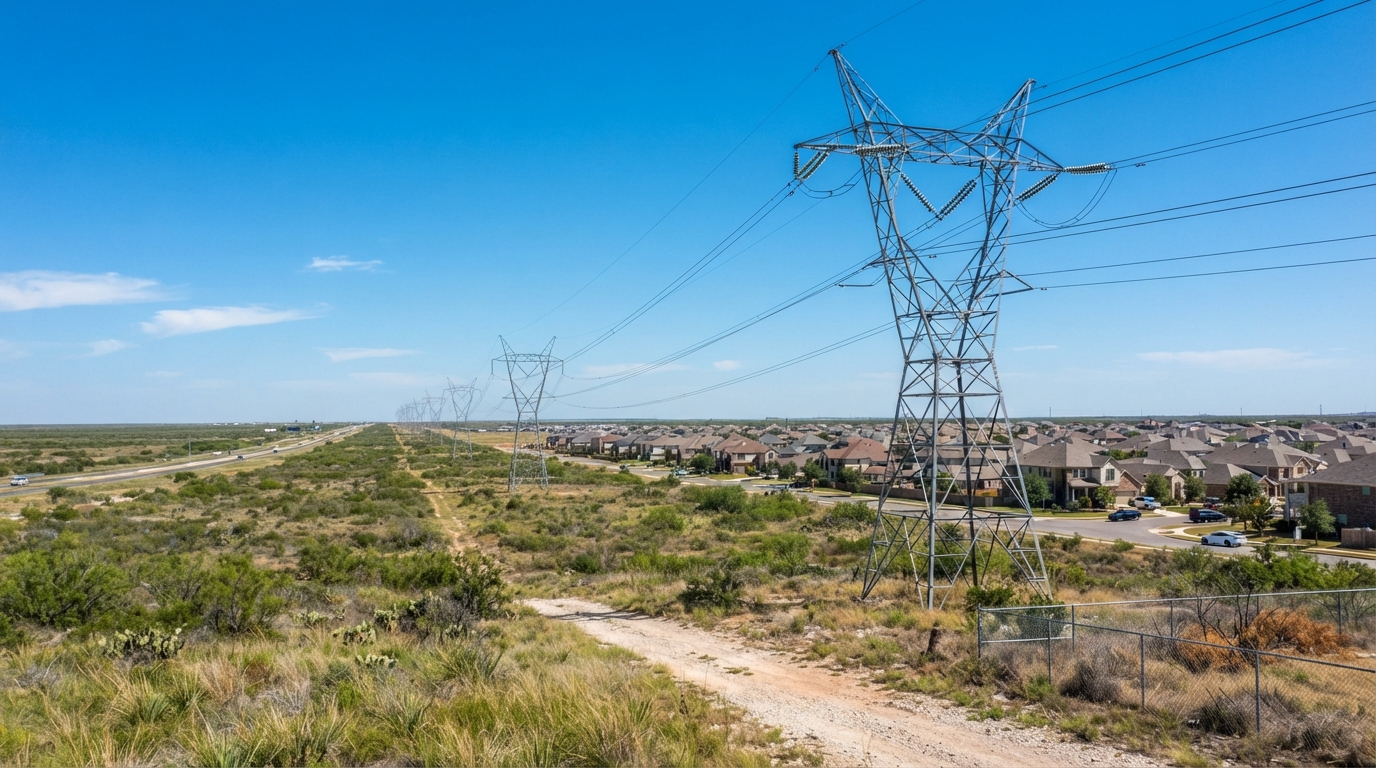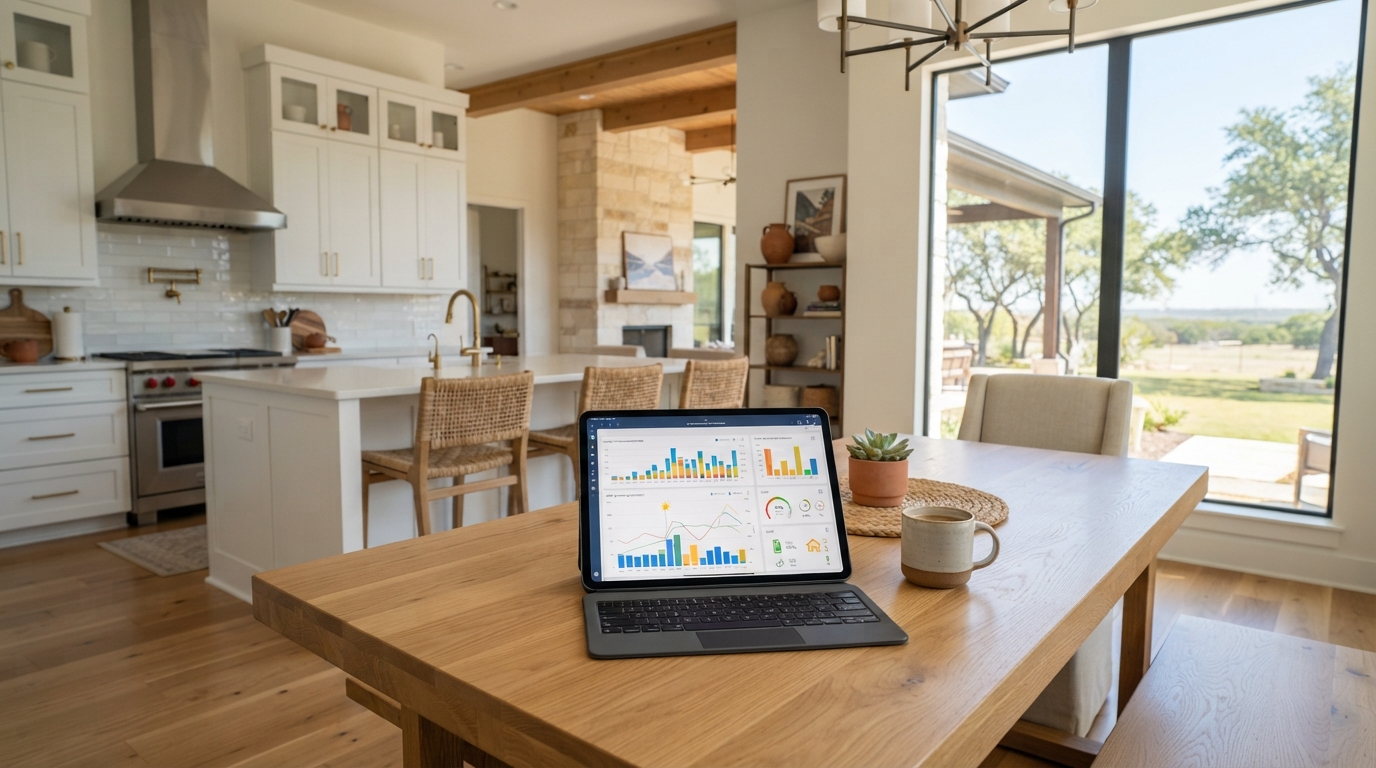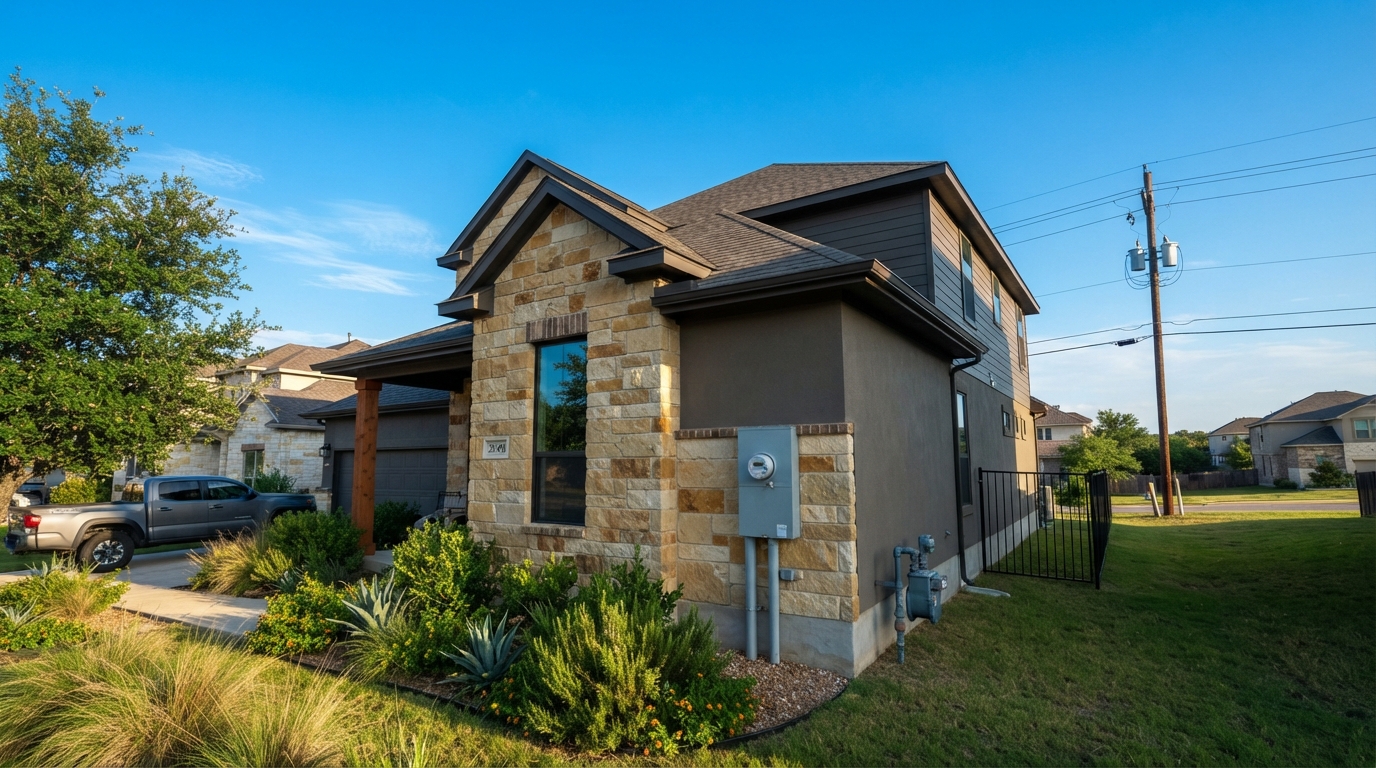
Living in the sprawling South Texas grid comes with unique considerations, especially when it comes to powering your home or business. Spanning approximately 44,000 square miles across major hubs like Corpus Christi, Laredo, Victoria, and the Rio Grande Valley, the local power infrastructure is managed by a primary utility. If you have ever looked closely at your monthly statement, you have likely wondered about aep texas central delivery charges and how they impact your overall power costs.
Decoding Your South Texas Utility Zone
To truly understand how electricity works in the Lone Star State, it helps to look beyond the deregulated market. While Texans residing in major metros often compare options akin to shopping for electricity Houston or browsing plans for electricity dallas, the delivery mechanism remains strictly localized. In South Texas, AEP Central acts as your Transmission and Distribution Service Provider (TDSP). They do not generate or sell you electricity; instead, they own and maintain the physical poles, wires, and transformers that bring power to your doorstep.
Provider vs. Utility: Knowing the Difference
A common point of confusion for consumers is distinguishing between their Retail Electric Provider (REP) and their utility. Your REP is the company you choose to buy your power from, send your monthly payments to, and call when you want to change your contract terms. AEP Central, on the other hand, is the regulated utility. They are responsible for responding to outages, trimming tree branches away from power lines, and reading your electric meter. Whether you are shopping for residential options, exploring <a href=”https://electricityone.com/texas-prepaid-electricity/”, or reviewing business electricity plans, the underlying delivery service provided by the utility remains a constant factor on your bill.
Breaking Down the Costs: What Are Delivery Fees?
When reviewing your electric bill, you will notice that charges are generally split into two categories: energy supply charges from your REP and regulated delivery charges from AEP Central. These utility fees are approved by the Public Utility Commission of Texas (PUCT) and cover the cost of maintaining the local grid infrastructure. They typically include a fixed monthly customer charge and a per-kilowatt-hour distribution charge. Because these fees are passed through to you without markup, understanding them gives you a clearer picture of your total electricity expenses. Navigating these details can feel overwhelming, but utilizing resources similar to the official power to choose platform can help streamline your search.
Why Experience Matters When Shopping for Energy
Finding the right electricity plan in South Texas requires a balance of low energy rates and transparent utility fee disclosures. This is where ElectricityOne steps in to make the process seamless for local residents and business owners:
- Two Decades of Expertise: Leveraging over 20 years of experience providing reliable, quick, and courteous electric service for Texas homes and businesses.
- Curated Partnerships: A meticulous provider selection process ensuring partnerships only with REPs that offer substantial cost savings.
- Transparent Disclosures: Clear breakdowns of all costs and fees, including essential pass-through charges from the local utility.
- Long-Term Satisfaction: Dedicated support designed to secure dependable energy solutions for the long haul.
By understanding how your local utility operates and partnering with a trusted platform, you can take full control of your South Texas energy consumption. Knowing who handles your infrastructure ensures you always know who to call during a grid emergency.
Frequently Asked Questions
Can I choose AEP Central as my electricity provider?
No. AEP Central is a regulated transmission and distribution utility (TDSP), not a Retail Electric Provider. You must choose a competitive REP to supply and price your electricity, while AEP Central continues to deliver it.
Are utility delivery charges included in my advertised electric rate?
Most fixed-rate plans bundle the utility’s pass-through charges into your overall per-kilowatt-hour rate, though they are often itemized separately on your monthly bill for complete transparency.
Who do I call if my power goes out in South Texas?
You must contact AEP Central directly to report power outages or downed power lines, as they own and maintain the physical grid infrastructure in your area, rather than your retail provider.
Ready to find the best energy plan for your AEP Central delivery area? Call 1.844.567.2863 today to speak with our Texas energy experts.