Living in the expansive South Texas grid means navigating a unique energy landscape. Whether you are running a coastal home in Corpus Christi or managing industrial operations in the Rio Grande Valley, your monthly electric bill is made up of moving parts that can often feel confusing. If you have ever wondered why your bill fluctuates even when your household consumption remains steady, the answer often lies within the regulated transmission and distribution framework of your local utility. For residents across this 44,000-square-mile territory, mastering the nuances of your electric bill starts with breaking down aep texas central delivery charges and understanding how your utility provider operates behind the scenes.
Mapping the South Texas Grid: The AEP Central Territory
The AEP Texas Central service territory covers a vast and economically vibrant region of the Lone Star State. Serving approximately 44,000 square miles, this utility zone stretches from major coastal hubs like Corpus Christi down through the Rio Grande Valley—including McAllen and Harlingen—and inland toward Laredo and Victoria. Managing the massive infrastructure required to safely deliver electricity across this diverse terrain is no small feat.
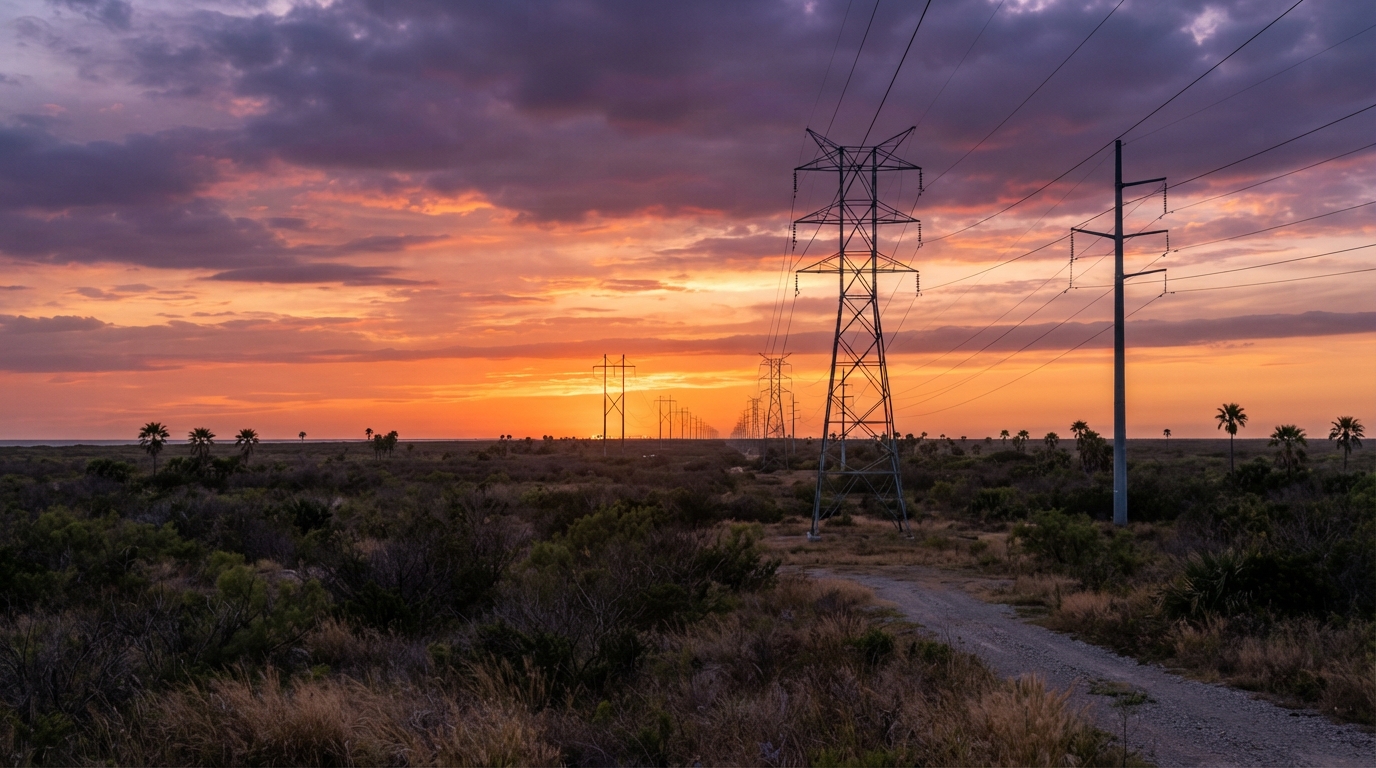
AEP Texas Central acts as the Transmission and Distribution Service Provider (TDSP) or utility for this territory. They do not generate or sell electricity directly to consumers; instead, they own and maintain the physical assets. This means they are responsible for the actual power lines, utility poles, transformers, and meters that bring electricity safely to your doorstep, ensuring the lights stay on through intense South Texas summers and coastal weather events.
Provider vs. Utility: Who Does What?
In the deregulated Texas energy market, it is essential to distinguish between your Retail Electric Provider (REP) and your local utility. While many Texans first explored the market using tools like power to choose, shopping for a plan is only half the battle. You must understand the distinct roles played by each entity on your bill:
- The Retail Electric Provider (REP): This is the company you choose to buy your electricity from. They set your kilowatt-hour rates, handle customer service, bill you monthly, and compete for your business by offering various plan structures.
- The Utility (AEP Central): This is your regulated delivery company. They maintain the physical grid. When storms knock out power or a line goes down, AEP Central crews roll out to fix the infrastructure, regardless of which REP you happen to buy your power from.
Breaking Down Your Monthly Electric Bill
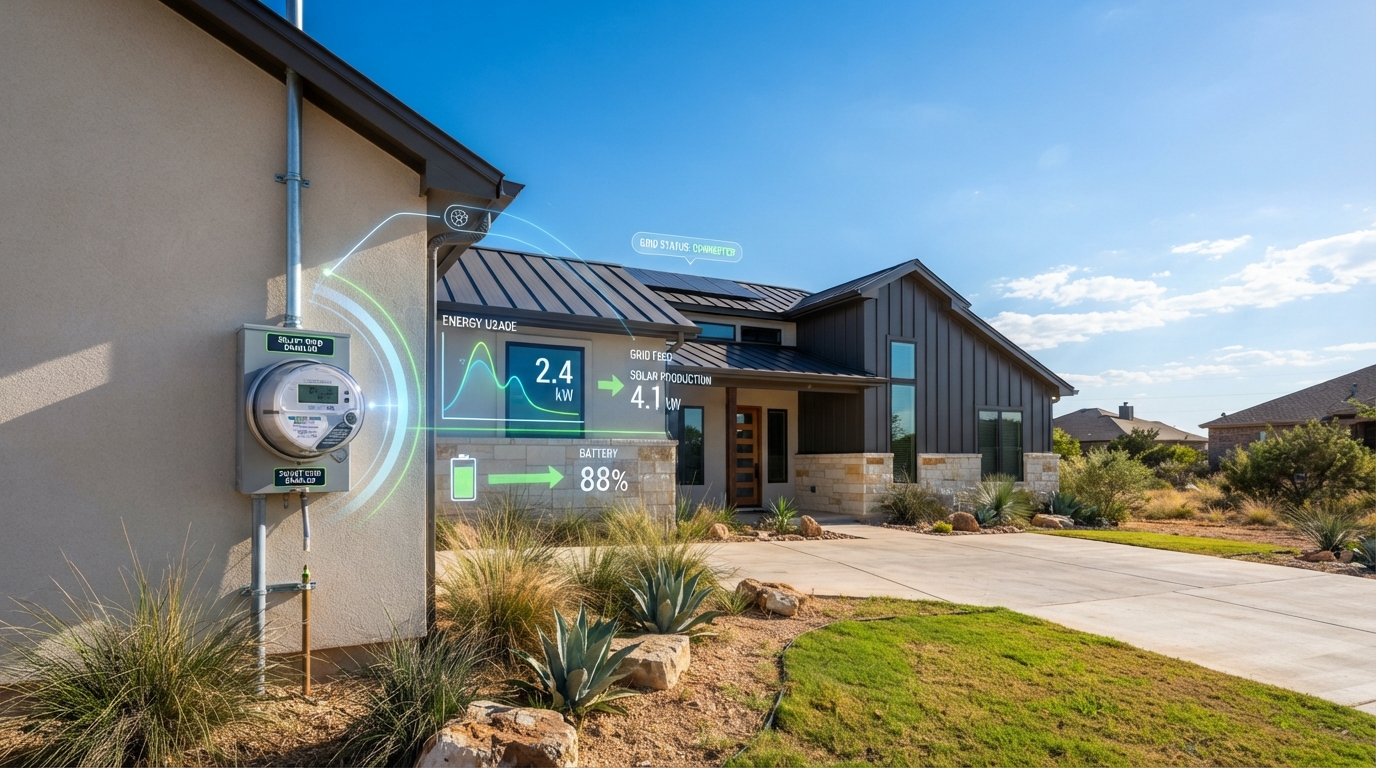
When your monthly bill arrives, you will typically see two primary types of charges bundled together: energy supply charges from your REP and delivery charges from AEP Central. While energy supply charges fluctuate based on market conditions and the specific contract you signed, aep texas central delivery charges are regulated by the Public Utility Commission of Texas (PUCT).
These regulated fees cover the cost of transporting electricity over high-voltage transmission lines and local distribution lines to your home or business. They usually include a fixed monthly customer charge plus a per-kilowatt-hour distribution fee. Because these fees are standardized by the utility, every consumer in the zone pays the same delivery rate regardless of which REP supplies their energy. Finding a great energy plan means shopping around for a competitive supply rate that works harmoniously with these standard utility pass-through fees.
Simplifying Energy Shopping with ElectricityOne
Navigating the deregulated market in South Texas does not have to be overwhelming. With over 20 years of experience providing reliable, quick, and courteous electric service for Texas homes and businesses, ElectricityOne stands out as a trusted guide. Whether you are looking for standard residential rates, prepaid electric service, or competitive business electricity plans, our platform is designed to make the process seamless.
How ElectricityOne helps you navigate the AEP Central zone:
- Over two decades of trusted industry experience connecting Texas consumers with top-tier plans.
- A meticulous provider selection process ensuring partnerships only with REPs offering true cost savings.
- Total transparency with full disclosure of all costs, including pass-through utility fees.
- Dedicated customer support tailored to help you find the best energy solutions whether you are comparing options here or exploring electricity Houston and electricity dallas markets.
Conclusion and Expert Guidance
Understanding the role of AEP Texas Central and how delivery charges impact your monthly statements empowers you to take full control of your energy budget. By recognizing the clear division between your retail provider and your local utility, you can make smarter shopping decisions and know exactly who to call during a power emergency. Ready to find the best energy plan for your AEP Central delivery area? Call 1.844.567.2863 today to speak with our Texas energy experts.
Frequently Asked Questions
Can I choose a different delivery utility instead of AEP Central?
No. Utility territories in Texas are geographically exclusive. Because AEP Central owns and operates the physical infrastructure in your specific South Texas region, they are the mandatory TDSP for your location.
Why are AEP Central delivery charges listed separately on my bill?
Texas deregulation requires a transparent breakdown of charges. Your bill separates the cost of the actual electricity generated and sold by your Retail Electric Provider from the regulated cost of transmitting and distributing that power over AEP Central’s lines.
Who do I call if my power goes out in the AEP Central service area?
You should contact AEP Central directly to report power outages or downed power lines, as they are responsible for repairing the physical grid and restoring service to your neighborhood.