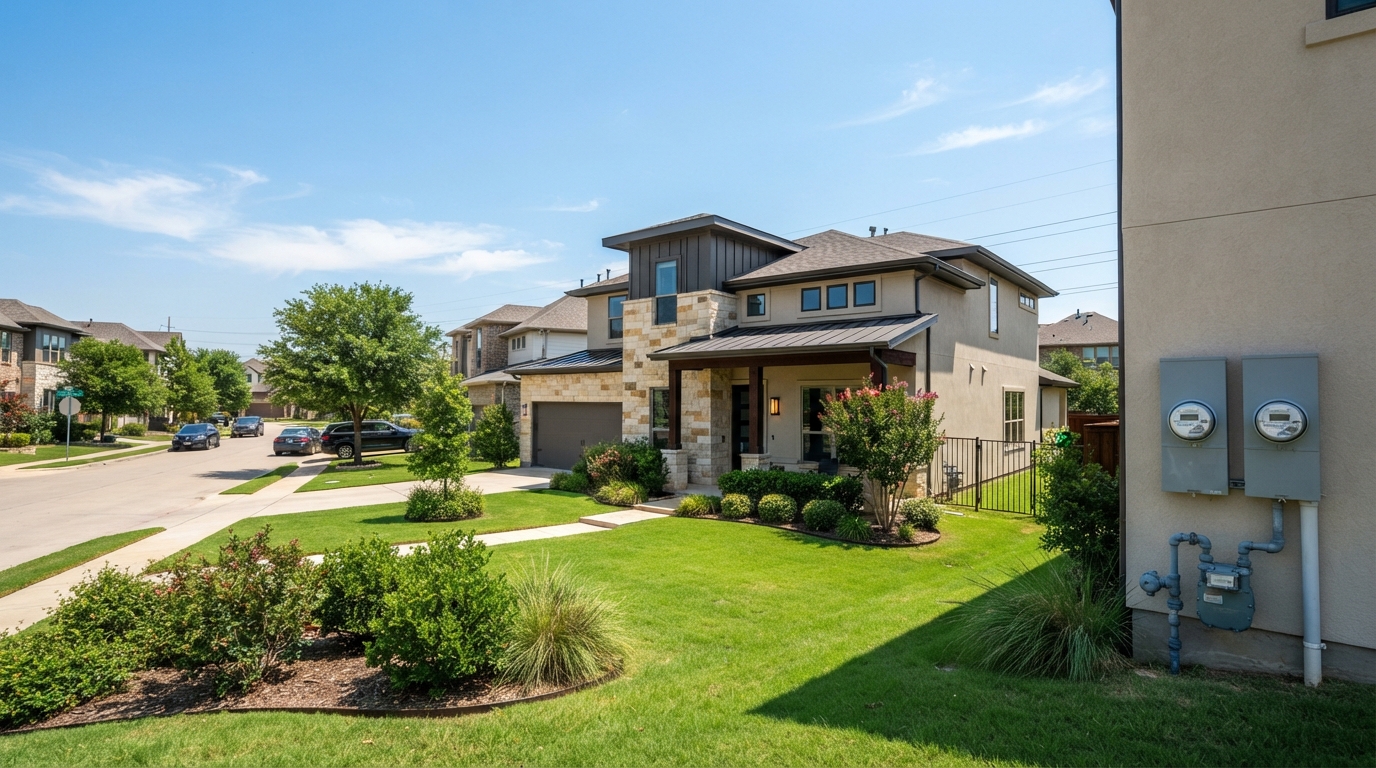
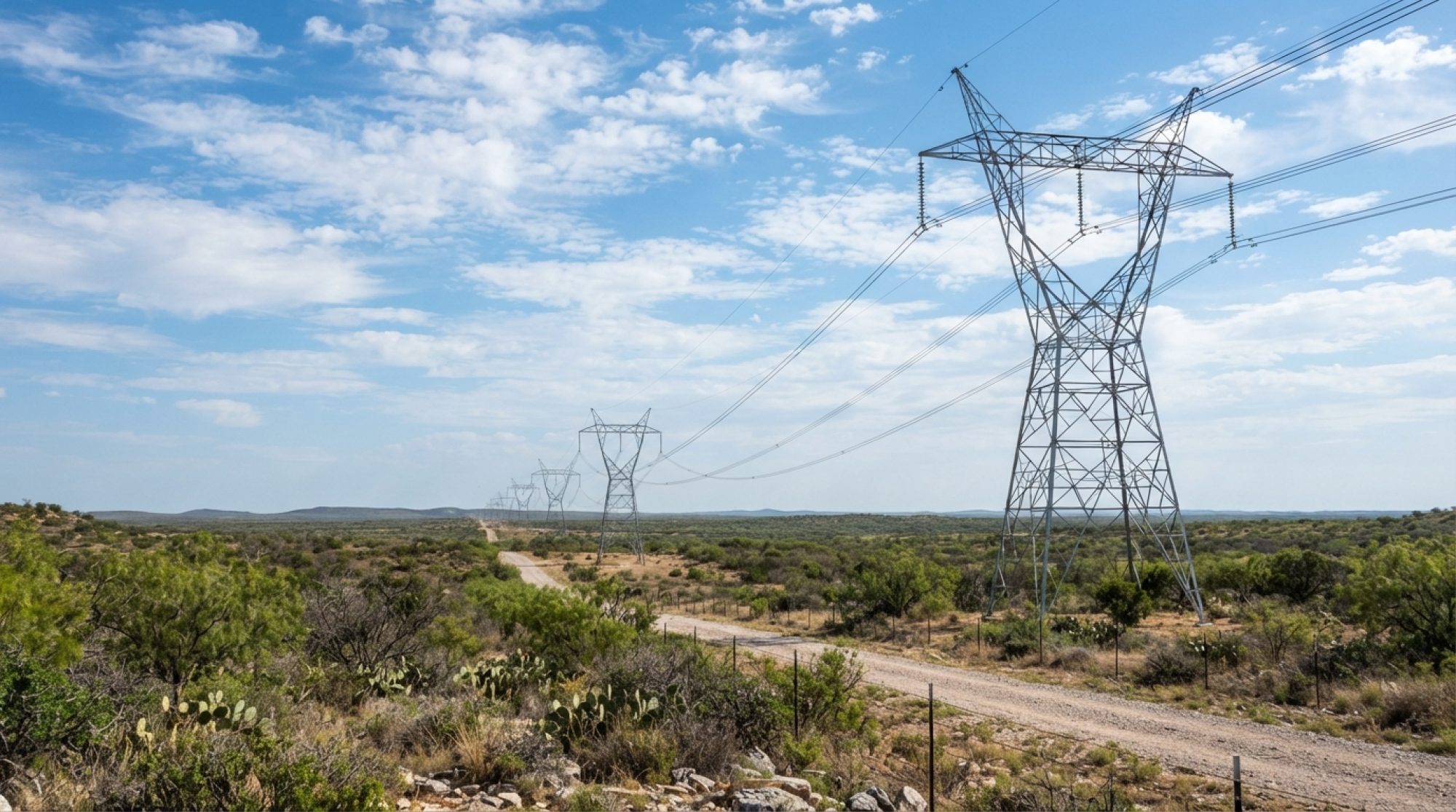
Living in the sprawling South Texas grid comes with a unique set of considerations when it comes to powering your home or business. Spanning approximately 44,000 square miles across the region, the AEP Central utility territory covers major hubs like Corpus Christi, Laredo, Victoria, McAllen, and Harlingen. Whether you are comparing options for electricity Houston, looking into electricity dallas, or specifically managing a property in South Texas, navigating the deregulated market requires a clear understanding of how your power gets to your wall outlets.
The Anatomy of Your South Texas Electric Bill
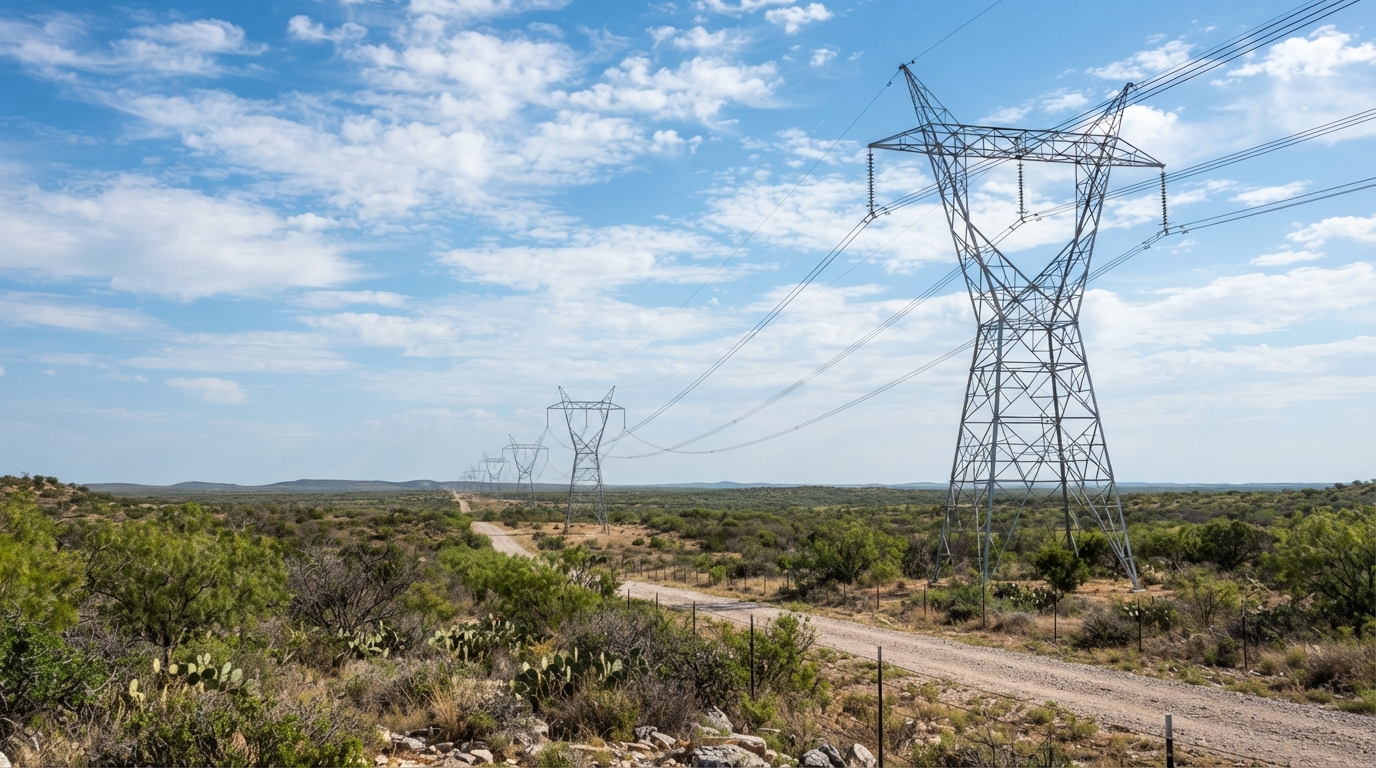
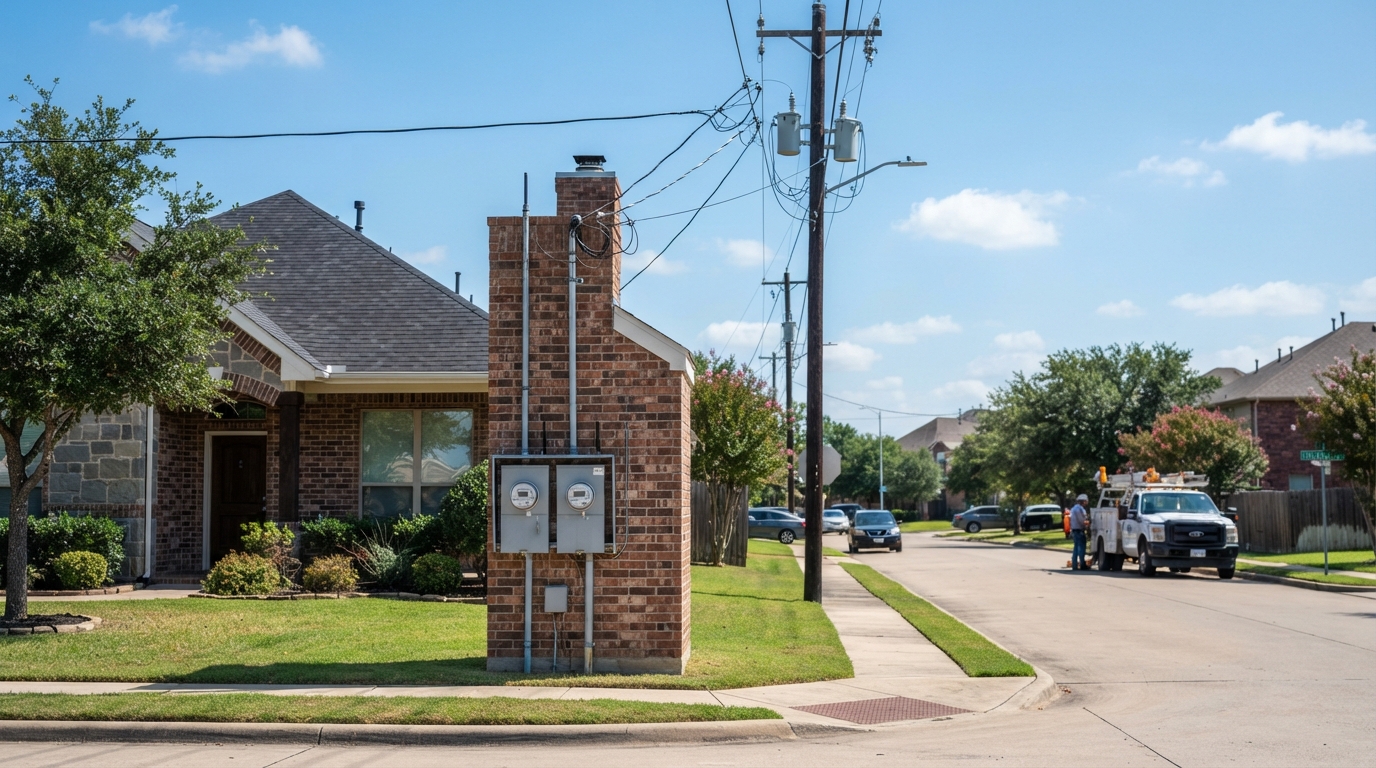
Many residents are initially confused by how their monthly power bills are structured. In Texas, the deregulated market separates the cost of generating electricity from the cost of delivering it. While your Retail Electric Provider (REP) sells you the actual energy you consume, the physical infrastructure—the poles, wires, transformers, and local grid maintenance—is managed by your Transmission and Distribution Utility (TDSP), which is AEP Central for this specific territory.
When reviewing your monthly statement, you will notice aep texas central delivery charges itemized right alongside your energy supply charges. These utility fees are regulated by the Public Utility Commission of Texas (PUCT) and ensure that the local grid remains safe, reliable, and capable of handling South Texas weather extremes.
Provider vs. Utility: Who Does What?
Understanding the distinction between your REP and your utility provider is essential for every South Texas resident:
- Retail Electric Provider (REP): The company you choose to buy your electricity from. They set your kilowatt-hour pricing, handle customer service, and send your monthly bill. You can easily navigate the state’s power to choose tools to find the right REP for your needs.
- AEP Central (TDSP): The regional utility company responsible for the physical delivery of electricity. They do not sell electricity directly to consumers, but rather maintain the poles and restore power during outages.
Simplifying Your Energy Choices with ElectricityOne
Finding the right energy plan doesn’t have to be a chore. Backed by over 20 years of experience providing reliable, quick, and courteous electric service for Texas homes and businesses, ElectricityOne connects South Texas residents with the finest Retail Electric Providers operating within the AEP Central utility zone.
Here is how our platform helps you simplify your search:
- Over 20 Years of Expertise: Leveraging two decades of deep market insight to guide your energy decisions.
- Transparent Cost Disclosures: Meticulous provider selection ensuring complete clarity on all costs, fees, and pass-through charges.
- Tailored Solutions: Connecting you with trusted providers offering everything from traditional fixed-rate plans to prepaid electric service and competitive business electricity plans.
Mastering Your Utility Zone
By understanding how AEP Central operates and how regulated delivery fees factor into your total monthly cost, you can become a more informed energy consumer. Whether you are setting up service in Corpus Christi or Laredo, knowing the difference between your provider and your utility empowers you to make smarter financial choices.
Ready to find the best energy plan for your AEP Central delivery area? Call 1.844.567.2863 today to speak with our Texas energy experts.
Frequently Asked Questions
What is AEP Central?
AEP Central is the Transmission and Distribution Utility (TDSP) that maintains power lines, poles, and electrical infrastructure across roughly 44,000 square miles of South Texas.
Can I choose AEP Central as my electricity provider?
No. AEP Central is your assigned local utility based on your geographic location. However, you have the freedom to choose any Retail Electric Provider (REP) licensed to operate in their service territory.
Why are delivery charges on my bill if I already pay my REP?
Your REP bundles these regulated delivery fees into your bill (or itemizes them) to pass them directly to AEP Central for maintaining the physical grid and delivering power safely to your home.