If you live in South Texas—stretching across the coastal breeze of Corpus Christi, the busy border hub of Laredo, or the fertile fields of the Rio Grande Valley—you have likely looked at your monthly electricity bill and wondered about the various fees tacked onto your usage. While you shop around for competitive energy rates, a significant portion of your monthly statement is determined by your Transmission and Distribution Service Provider (TDSP), AEP Texas Central. Understanding how aep texas central delivery charges work is key to taking control of your energy costs and making informed decisions for your home or business.
The Core of the South Texas Grid: Who is AEP Texas Central?
Before diving into the fees, it is essential to understand the structure of the deregulated Texas energy market. Many consumers confuse their Retail Electric Provider (REP)—the company that sends the monthly bill—with their utility company. AEP Texas Central is the utility (or TDSP) responsible for maintaining the physical electrical infrastructure across approximately 44,000 square miles of South Texas. This vast territory includes major hubs like Corpus Christi, McAllen, Harlingen, Victoria, and Laredo.
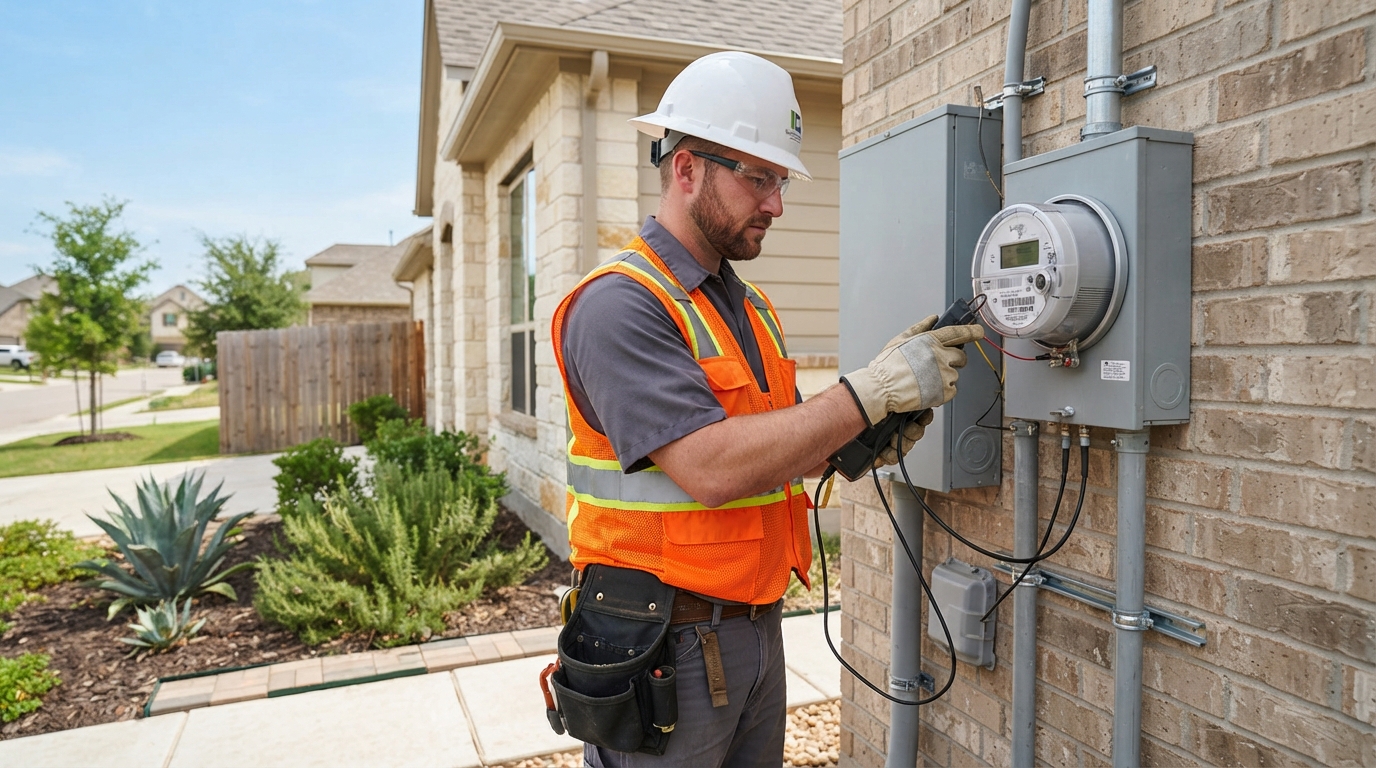
Regardless of which REP you choose to sell you your electricity, AEP Texas Central is the company that actually delivers the physical power to your home, maintains the poles and wires, reads your meter, and responds to local power outages. Because they own and operate the physical grid in this region, the cost of maintaining this infrastructure is passed along to every consumer in their service area through regulated delivery charges.
Breaking Down the PUCT-Regulated Delivery Charges
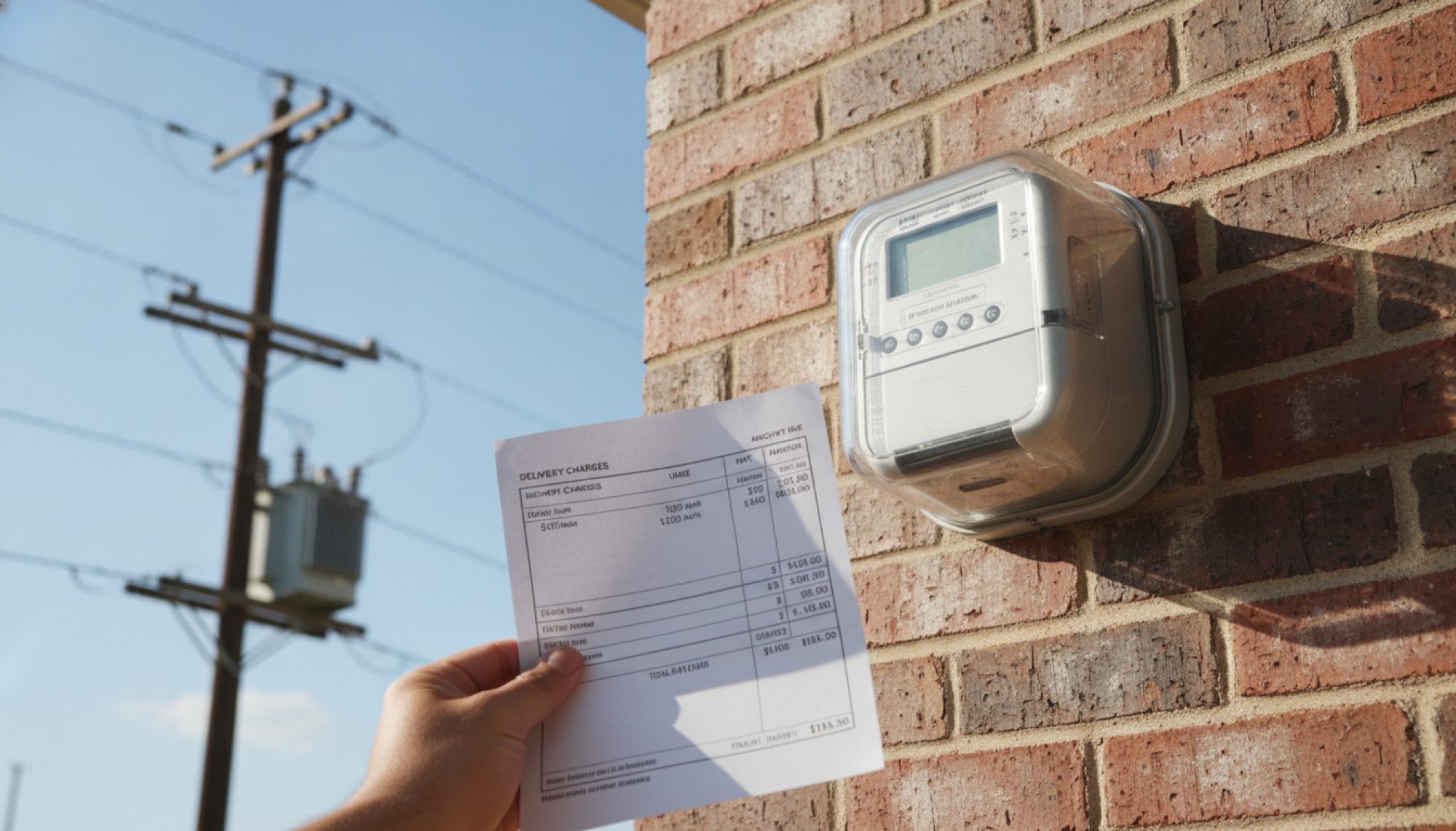
Unlike the competitive rates offered by REPs, delivery charges are fully regulated by the Public Utility Commission of Texas (PUCT). These fees are updated twice a year and are non-negotiable. They are passed directly from AEP Texas Central to your REP, which then passes them directly to you on your monthly bill without any markup.
These charges generally consist of two main components:
1. The System Customer Charge
This is a flat, fixed monthly utility fee charged per connection. It does not matter if you use a massive amount of electricity or none at all during the billing cycle; this fee remains constant to cover the administrative costs of maintaining your meter and connection to the local grid.
2. The Distribution and Transmission Charge
This is a volumetric charge calculated on a cost-per-kilowatt-hour basis. It covers the actual physical delivery of electricity over the wires to your property. The more electricity you consume, the higher this portion of the delivery charge will be. It funds grid maintenance, vegetation management (keeping tree branches away from power lines), and emergency storm restoration services across South Texas.
How to Shop Smart in the AEP Central Territory
Just as residents comparing options for electricity Houston or shopping for competitive plans for electricity dallas must account for their local utility fees, South Texas consumers must factor in AEP Texas Central delivery charges to calculate their true total cost. Whether you are looking for residential service, comparing business electricity plans, or seeking the flexibility of a prepaid electric service, these delivery charges will always be added to the retail rate you select.
While platforms like the state-run power to choose website list hundreds of plans, navigating the fine print can be overwhelming. This is where a trusted partner makes all the difference.
With over 20 years of experience providing reliable, quick, and courteous electric service for Texas homes and businesses, ElectricityOne acts as a prominent platform that connects South Texas residents with the finest Retail Electric Providers operating within the AEP Central utility zone. We simplify the shopping experience by ensuring complete transparency:
- Two Decades of Texas Expertise: We understand the unique demands of the South Texas climate and the local grid.
- Meticulous Provider Selection: We partner only with top-tier REPs that offer substantial cost savings and long-term customer satisfaction.
- 100% Price Transparency: We clearly disclose all costs and fees, including AEP Central pass-through charges, so there are never any surprises on your bill.
- Tailored Solutions: Whether you need traditional post-paid contracts, commercial energy solutions, or flexible prepaid options, we find the perfect fit for your lifestyle.
Empower Your Energy Decisions
By understanding the distinct roles of your utility and your provider, you can read your monthly electric bill with confidence. You will know exactly what you are paying for grid maintenance and what you are paying for actual energy usage. Furthermore, this knowledge keeps you safe: in the event of a fallen power line or a sudden outage in Corpus Christi or Laredo, you will know to call AEP Texas Central directly for emergency response, rather than your retail provider.
Ready to find the best energy plan for your AEP Central delivery area? Call 1.844.567.2863 today to speak with our Texas energy experts.
Frequently Asked Questions
Are AEP Texas Central delivery charges the same for every retail provider?
Yes. These charges are set and regulated by the Public Utility Commission of Texas (PUCT). Every retail electric provider operating within the AEP Texas Central service area must pass these exact same delivery fees through to the consumer without any markup.
How often do these delivery charges change?
The PUCT typically permits utilities to adjust their delivery tariffs twice a year, usually in the spring and fall, to account for infrastructure investments, maintenance costs, and federal regulatory adjustments.
Can I avoid paying delivery charges if I switch to a different retail provider?
No. Regardless of which retail provider you choose to buy your electricity from, AEP Texas Central still owns and maintains the physical wires that deliver electricity to your home. Therefore, these regulated delivery charges will always appear on your bill.