
For residents and business owners living across the sprawling 44,000 square miles of South Texas, understanding how electricity is delivered and billed can sometimes feel like trying to navigate a coastal storm. From the shores of Corpus Christi to the border communities of Laredo, and down through the vibrant Rio Grande Valley hubs of McAllen and Harlingen, the physical delivery of your electricity is managed by one key utility: AEP Texas Central. However, when your monthly electric bill arrives, you might notice a distinct set of fees separate from the actual energy you consumed. These are the aep texas central delivery charges, and understanding them is the secret to taking control of your energy budget.
Retail Electric Provider vs. TDSP: Who Does What?
To make sense of your monthly statement, you must first understand the difference between your Retail Electric Provider (REP) and your Transmission and Distribution Service Provider (TDSP), which is AEP Texas Central. In the deregulated Texas market, you have the power to choose the company that sells you electricity. This company (your REP) handles your billing, customer service, and energy plans.
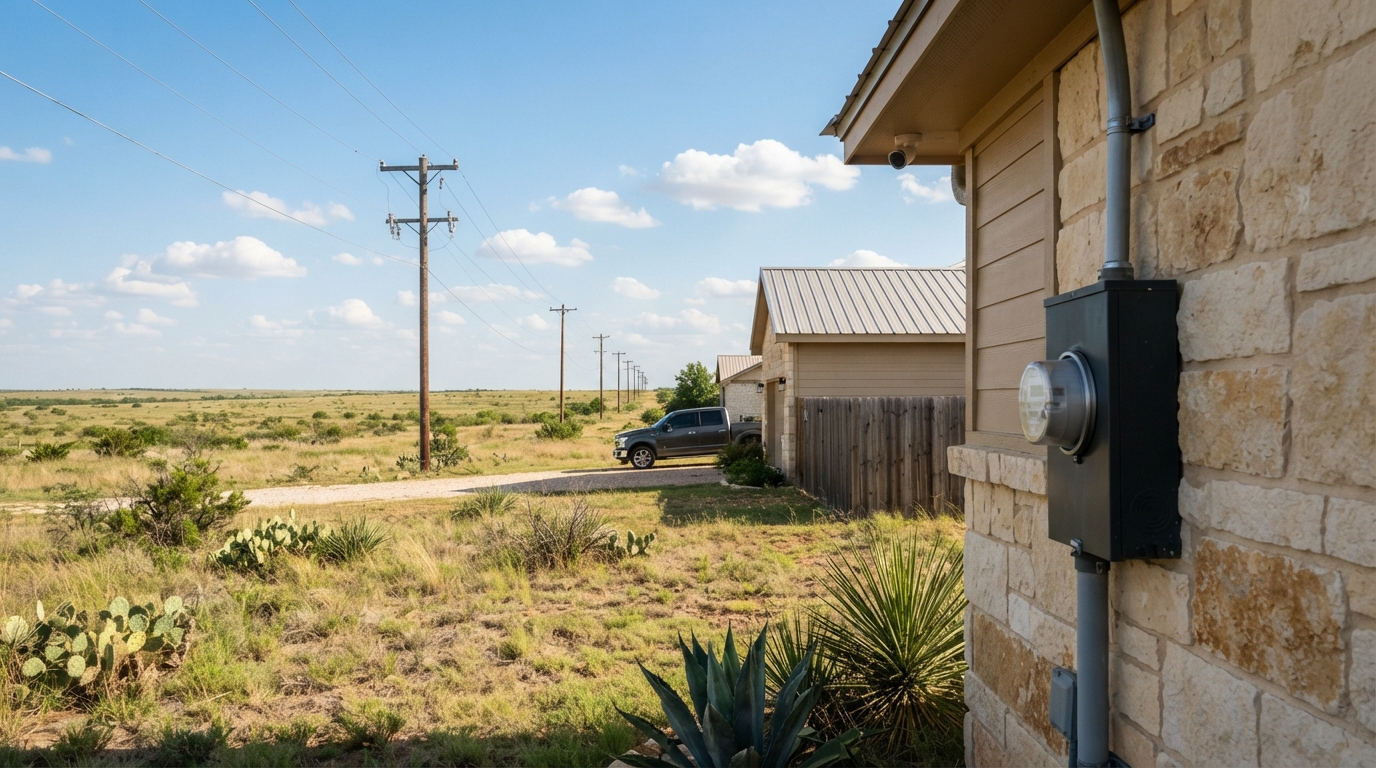
On the other hand, AEP Texas Central is the utility company responsible for the physical infrastructure. They own and maintain the poles, wires, meters, and power lines that deliver electricity to your home or business. No matter which REP you choose, AEP Texas Central still delivers your power. Because of this, the cost of maintaining this massive grid is passed through to consumers as regulated utility delivery fees.
Breaking Down the Components of AEP Central Delivery Fees
The fees associated with delivering your electricity are regulated by the Public Utility Commission of Texas (PUCT). These charges are updated twice a year and are passed through to your bill without any markup from your chosen provider. They generally consist of two main parts:
- The Fixed Monthly Customer Charge: A flat, recurring monthly fee charged per connection point to cover the administrative costs of maintaining your account and reading your meter.
- The Volumetric Delivery Charge: A per-kilowatt-hour (kWh) charge that varies depending on how much electricity you actually use during the billing cycle. This fee directly funds the maintenance and repair of the local physical grid.
While some consumers look at the state’s official power to choose portal to compare plans, many fail to realize that these delivery charges are identical across all providers within the AEP Central zone. Whether you are searching for residential plans or specialized business electricity plans, these utility fees will remain constant.
How ElectricityOne Simplifies South Texas Energy Shopping
Navigating the complex world of utility charges and provider plans can be overwhelming. That is where ElectricityOne comes in. We act as your trusted partner, connecting South Texas residents and businesses with the highest-quality Retail Electric Providers operating in the AEP Central utility zone.
Here is how ElectricityOne helps you shop with confidence:
- Over 20 Years of Experience: Our team brings over two decades of reliable, quick, and courteous electric service experience to Texas homes and businesses.
- Meticulous Provider Selection: We partner only with reputable REPs that offer substantial cost savings, transparent disclosure of all fees (including AEP Central pass-through charges), and long-term customer satisfaction.
- Diverse Energy Solutions: Whether you need a standard fixed-rate plan or a flexible prepaid electric service, we help you find the perfect match.
Navigating Electric Choice Across Texas
The Texas energy grid is vast and varied. While South Texas residents focus on AEP Central fees, those shopping for electricity Houston or comparing plans for electricity dallas deal with entirely different regional utilities, such as CenterPoint or Oncor. Regardless of where you live in the Lone Star State, understanding that your local utility charges are separate from your retail energy rate is the key to avoiding billing surprises.
What to Do in a Power Emergency
Because AEP Texas Central owns and maintains the physical grid, they are also the entity you must contact in the event of a power outage, downed line, or damaged meter. Your retail provider cannot restore your power during a blackout. Keep the utility’s emergency contact number handy, and always report downed lines immediately to AEP Central to ensure local crew dispatch.
Ready to find the best energy plan for your AEP Central delivery area? Call 1.844.567.2863 today to speak with our Texas energy experts.
Frequently Asked Questions About AEP Central Charges
What are AEP Texas Central delivery charges?
These are PUCT-regulated fees charged by AEP Texas Central to cover the cost of transmitting and distributing electricity through their physical grid of poles, wires, and meters to your property. These charges are passed through directly to your electric bill.
Can I avoid paying AEP Central delivery charges?
No. Regardless of which retail electric provider you choose, AEP Texas Central owns the physical infrastructure in your area. Everyone living within their South Texas service territory must pay these regulated fees to maintain the local grid.
Do AEP Central delivery charges change?
Yes, these charges are subject to change. The Public Utility Commission of Texas typically approves adjustments to these delivery tariffs twice a year (usually in March and September) to reflect the ongoing costs of grid maintenance and infrastructure upgrades.