For many South Texas residents, opening the monthly electric bill can lead to a bit of confusion. You might notice your energy usage charges, but there is another significant component that often goes misunderstood: the cost of actually getting that power to your home. If you live in Corpus Christi, Laredo, McAllen, Harlingen, or the surrounding communities, your electricity is delivered by AEP Texas Central. Understanding how these utility fees work is the first step to taking complete control of your household budget.
Understanding the South Texas Power Grid
The deregulated Texas energy market is divided into two distinct entities: Retail Electric Providers (REPs) and Transmission and Distribution Service Providers (TDSPs), also known as utilities. While you have the freedom to choose your REP—the company that sells you electricity and manages your billing—you do not get to choose your utility.
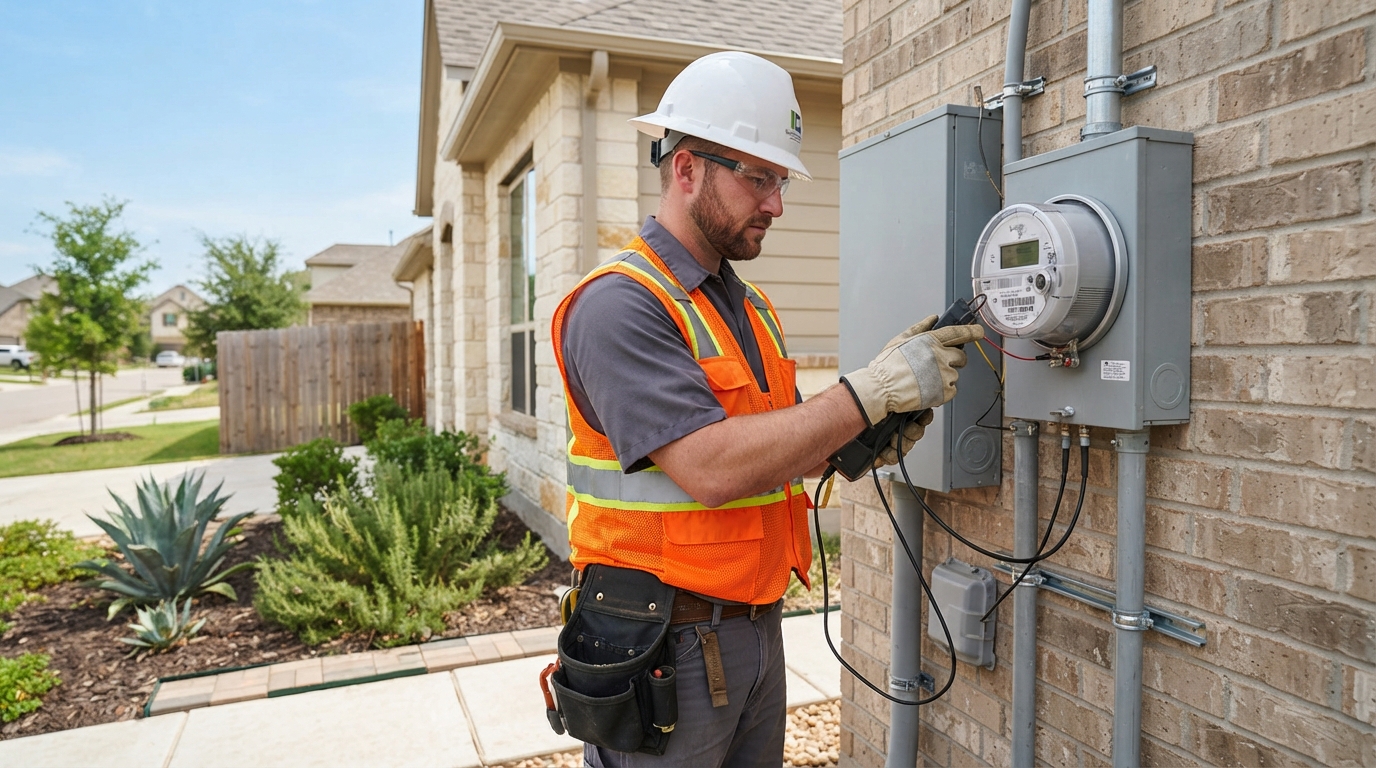
AEP Texas Central is the regulated utility responsible for maintaining the physical electrical infrastructure across approximately 44,000 square miles of South Texas. Whether they are repairing downed power lines after a coastal storm, reading your smart meter, or maintaining local substations, AEP Central ensures the grid remains safe and operational. Because they own and service the physical wires, they charge a fee for this service, which is passed directly to your retail electric bill.
What Are aep texas central delivery charges?
These charges represent the regulated fees approved by the Public Utility Commission of Texas (PUCT) to cover the cost of transmitting and distributing electricity. Every resident and business within the AEP Central service territory pays these exact same delivery rates, regardless of which retail provider they choose.
These delivery charges generally consist of two main components:
- A Fixed Monthly Charge: A flat, recurring monthly utility fee assessed per connection point, ensuring your home remains connected to the grid.
- A Volumetric Delivery Charge: A conceptual cost per kilowatt-hour that scales based on how much electricity you consume during the billing cycle.
Because these are pass-through charges, your retail provider simply collects them from you and delivers them directly to AEP Central. This is why even the most competitive energy plans will always feature these mandatory utility distribution costs on your monthly statement.
How to Shop Smarter in South Texas
While you cannot change your utility delivery fees, you have complete control over the retail energy rate you pay. Navigating this landscape can feel overwhelming. While some Texans look for electricity Houston options or compare plans for electricity dallas, South Texans in the AEP Central zone have their own unique market dynamics to consider.
If you prefer flexible payment structures without long-term commitments, securing a prepaid electric service can help you avoid credit checks and deposit requirements. For commercial properties, comparing tailored business electricity plans can dramatically lower operational overhead.
Instead of getting lost in the dizzying array of options on the state’s public power to choose portal, smart shoppers turn to ElectricityOne to find clear, vetted energy solutions.
Why Choose ElectricityOne?
ElectricityOne serves as a premier platform connecting South Texas homes and businesses with top-tier Retail Electric Providers. We eliminate the guesswork from shopping for energy by offering transparency and unparalleled support:
- Over 20 years of dedicated experience delivering reliable, quick, and courteous service across the Lone Star State.
- A meticulous provider selection process, partnering only with reputable REPs that prioritize long-term customer satisfaction.
- Complete transparency with no hidden fees, ensuring all AEP Central pass-through charges are clearly explained upfront.
- A streamlined shopping experience that matches your unique energy usage profile with the most cost-effective plans.
Reading Your Bill and Handling Emergencies
By understanding the clear division between your retail provider and AEP Central, you can read your monthly statement with confidence. You will know exactly which portion of your bill goes toward the wholesale energy you consumed and which portion represents the regulated delivery infrastructure costs.
This distinction is also critical during emergencies. If your lights go out or you spot a downed power line in South Texas, do not call your retail provider. Because your REP only handles billing and retail accounts, they cannot dispatch repair crews. Instead, you must contact AEP Texas Central directly to report the outage and monitor restoration progress.
Ready to find the best energy plan for your AEP Central delivery area? Call 1.844.567.2863 today to speak with our Texas energy experts.
Frequently Asked Questions
Are AEP Texas Central delivery charges the same on every energy plan?
Yes. Delivery charges are strictly regulated by the Public Utility Commission of Texas (PUCT). No matter which Retail Electric Provider you choose, the pass-through delivery fees from AEP Central will remain identical for your home or business.
How often do these delivery charges change?
AEP Central delivery charges are subject to adjustment twice a year, typically in the spring and fall, following approval from the PUCT. These adjustments reflect the ongoing costs of grid maintenance, modernization, and storm recovery efforts.
Can I avoid paying delivery charges if I switch providers?
No. Anyone connected to the physical electricity grid within the AEP Texas Central territory must pay these delivery charges, as they cover the operational costs of the wires, poles, and meters that make electric service possible.