If you live in the Greater Houston area, you are likely familiar with the sweltering Texas summers and the sudden storms that sweep across the Gulf Coast. When you open your monthly electric bill, you might notice that a significant portion of your total cost goes toward maintaining the physical grid rather than the actual energy you consume. Understanding how centerpoint energy delivery charges impact your monthly statement is key to managing your household budget and finding the best rates for electricity Houston has to offer.
The Difference Between Your REP and Your Utility (TDU)
To make sense of your monthly energy expenses, it is essential to distinguish between your Retail Electric Provider (REP) and your Transmission and Distribution Utility (TDU). In Southeast Texas, CenterPoint Energy acts as the sole TDU, serving nearly 2.8 million metered customers across Greater Houston, Galveston, Katy, and Sugar Land. While you have the freedom to choose which REP sells you electricity, you cannot choose your utility provider.
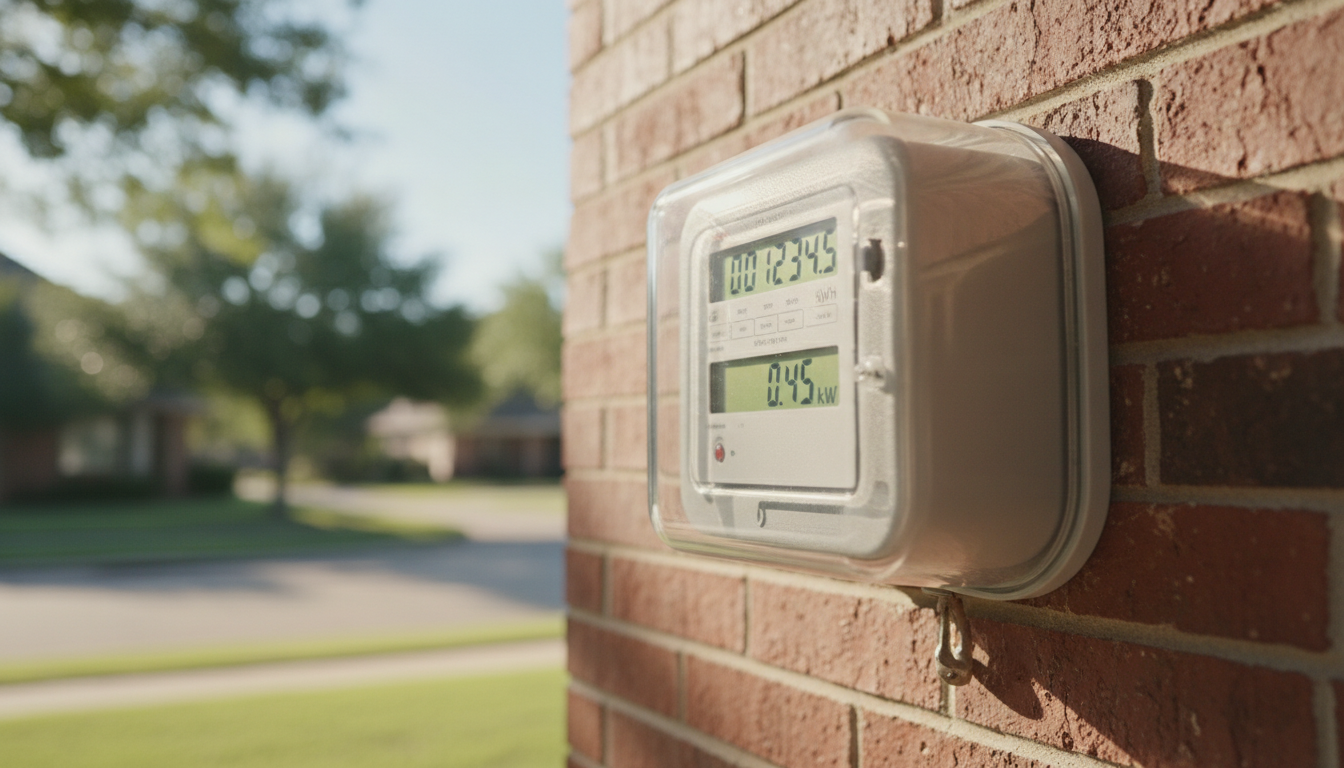
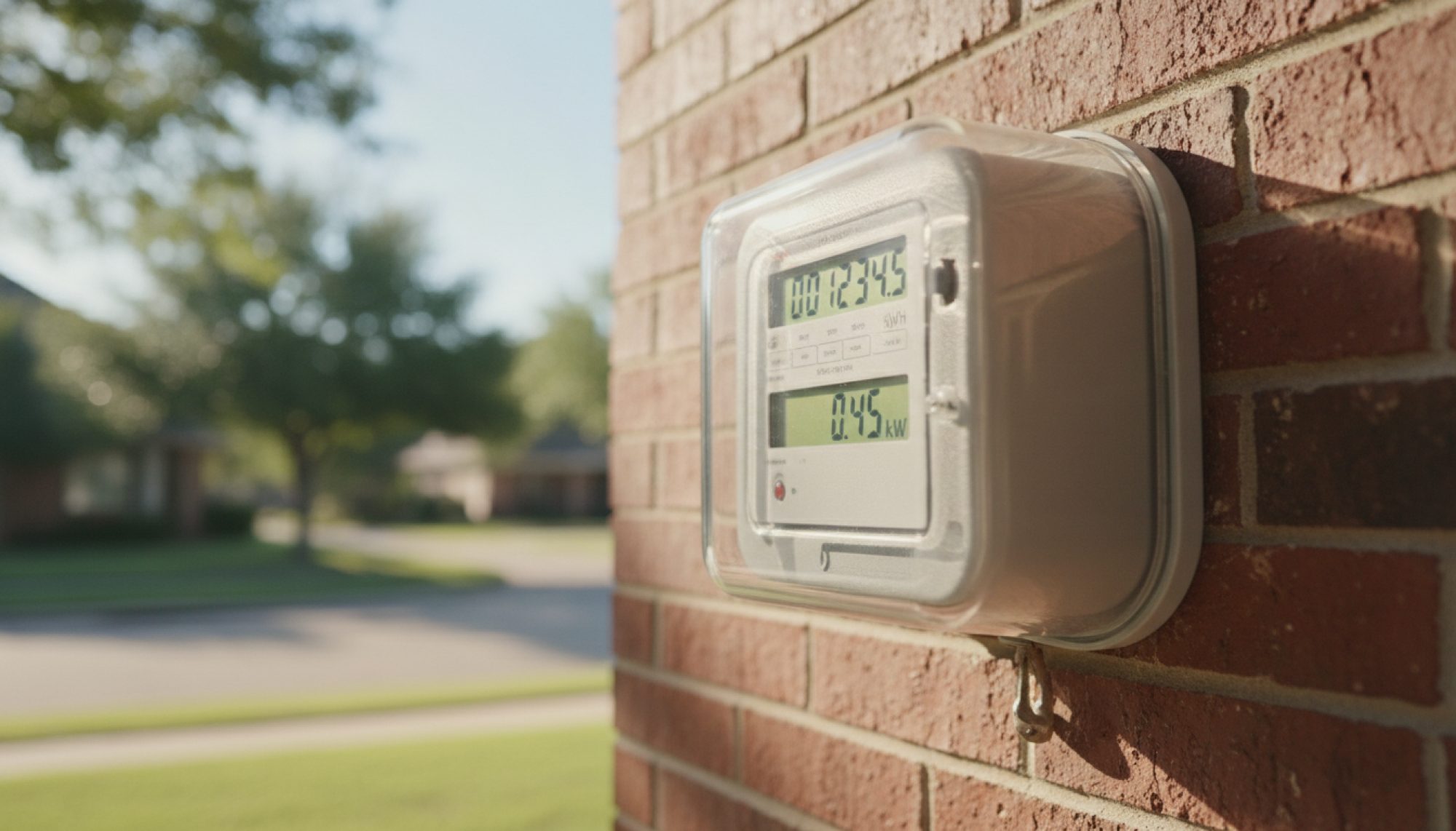
CenterPoint Energy owns and maintains the physical infrastructure—including the power lines, utility poles, and smart meters. They are also responsible for restoring power during severe weather events and managing grid resilience through intense heatwaves and active hurricane seasons. The fees associated with maintaining this vast network are passed down to consumers as regulated delivery charges.
What Are CenterPoint Energy Delivery Charges?
CenterPoint Energy delivery charges are Public Utility Commission of Texas (PUCT) regulated fees that cover the cost of transporting electricity from power plants to your home or business. Because these fees are set by the state regulatory commission, they are non-negotiable and are passed through directly to your bill without any markup from your chosen retail provider. Every customer within the CenterPoint service footprint pays the exact same utility rates, regardless of their REP.
Fixed vs. Variable Utility Fees
These delivery charges are typically broken down into two components on your monthly electric bill:
- Fixed Monthly Customer Charge: A flat, recurring fee charged per billing cycle. This fee helps cover the administrative costs of maintaining your account, reading your meter, and billing services.
- Variable Distribution Charge: A usage-based fee assessed per kilowatt-hour (kWh) of electricity you consume. This charge directly funds the maintenance of the physical grid, including pole replacements, wire upgrades, and emergency grid repairs.
Shopping the Deregulated Market in Southeast Texas
Navigating the deregulated Texas energy market can feel overwhelming, especially when comparing offers on the official power to choose website. Whether you are looking for residential options, a flexible prepaid electric service to control your monthly budget, or tailored business electricity plans for your commercial enterprise, knowing how these pass-through fees are structured is critical. Even if you are comparing local options to other regions—such as researching rates for electricity dallas—you will find that utility delivery charges vary by region but remain constant across all providers within that specific zone.
How ElectricityOne Simplifies Your Energy Search
At ElectricityOne, we leverage over 20 years of experience providing reliable, quick, and courteous electric service for Texas homes and businesses. Our prominent platform connects Houston-area residents with the finest Retail Electric Providers operating within the CenterPoint utility zone. We take the guesswork out of shopping for energy through a meticulous provider selection process.
When you use ElectricityOne to compare plans, you benefit from:
- Two Decades of Texas Expertise: Over 20 years of experience guiding Texas residents and businesses toward reliable, high-quality energy solutions.
- Carefully Vetted REPs: We only partner with top-tier Retail Electric Providers that prioritize transparency, customer service, and long-term satisfaction.
- No Hidden Fees: We help you identify plans that clearly disclose all charges, including CenterPoint pass-through fees, so there are no surprises on your bill.
- Diverse Plan Options: From traditional fixed-rate plans to flexible billing arrangements, we connect you with the right fit for your household.
Conclusion: Empowering Your Energy Decisions
Understanding CenterPoint’s role as the utility helps you read your bill better and know who to call in a Houston power emergency. While CenterPoint maintains the physical wires and resolves local power outages, choosing the right provider to manage your energy supply is where you can secure substantial savings. Let the experts help you find a plan that fits your budget and lifestyle perfectly.
Ready to find the best energy plan for your CenterPoint delivery area? Call 1.844.567.2863 today to speak with our Texas energy experts.
Frequently Asked Questions
What are CenterPoint Energy delivery charges?
These are state-regulated fees approved by the Public Utility Commission of Texas (PUCT) that cover the costs of delivering electricity over CenterPoint’s poles and wires, maintaining grid infrastructure, and reading meters. They are passed through directly to consumers on their monthly bills.
Do all Retail Electric Providers charge the same CenterPoint fees?
Yes. Because CenterPoint Energy is the sole utility provider for the Houston area, their regulated delivery charges are identical for every retail provider. No REP can alter or markup these official pass-through charges.
Who do I call if my power goes out in Houston?
If you experience a power outage, localized emergency, or see a downed power line, you must call CenterPoint Energy directly. Your Retail Electric Provider (REP) handles billing and enrollment but does not manage the physical power grid or outage restoration.