If you live in North, Central, or West Texas, opening your monthly electric bill can sometimes feel like trying to decipher a complex financial puzzle. While you have the freedom to select a retail provider to lock in your energy rate, a significant portion of your monthly total consists of distribution fees from the utility that manages the physical infrastructure. For over 13 million Texans spanning 400+ communities, that utility is Oncor Electric Delivery. Having oncor delivery charges explained clearly is the essential first step toward understanding how your deregulated power bill is calculated and how to keep your household expenses predictable.
Retail Electric Provider vs. Oncor TDSP: Who Does What?
In the deregulated Texas energy market, energy responsibilities are divided between two distinct entities: your Retail Electric Provider (REP) and your Transmission and Distribution Service Provider (TDSP). Residents searching for competitive electricity dallas options often wonder why delivery fees appear on their invoices regardless of which energy brand supplies their power.
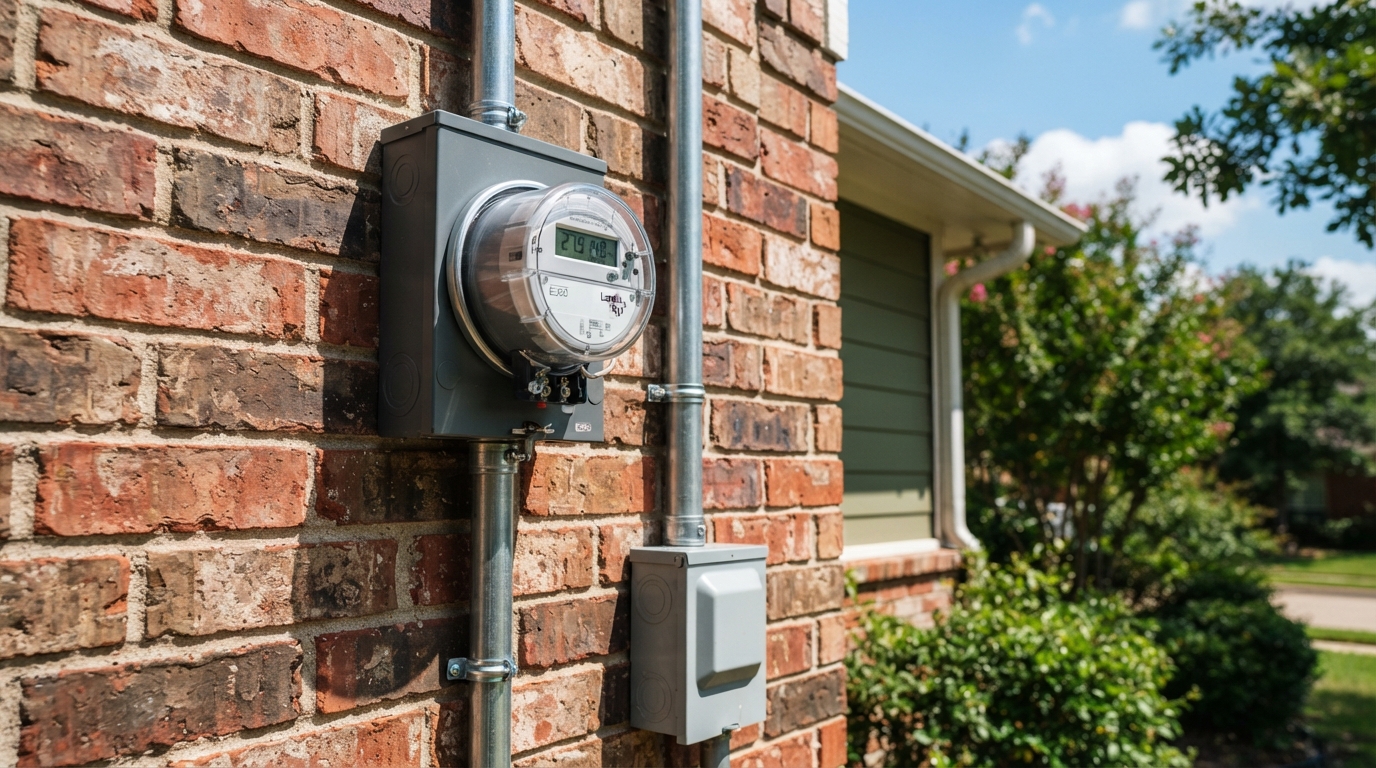
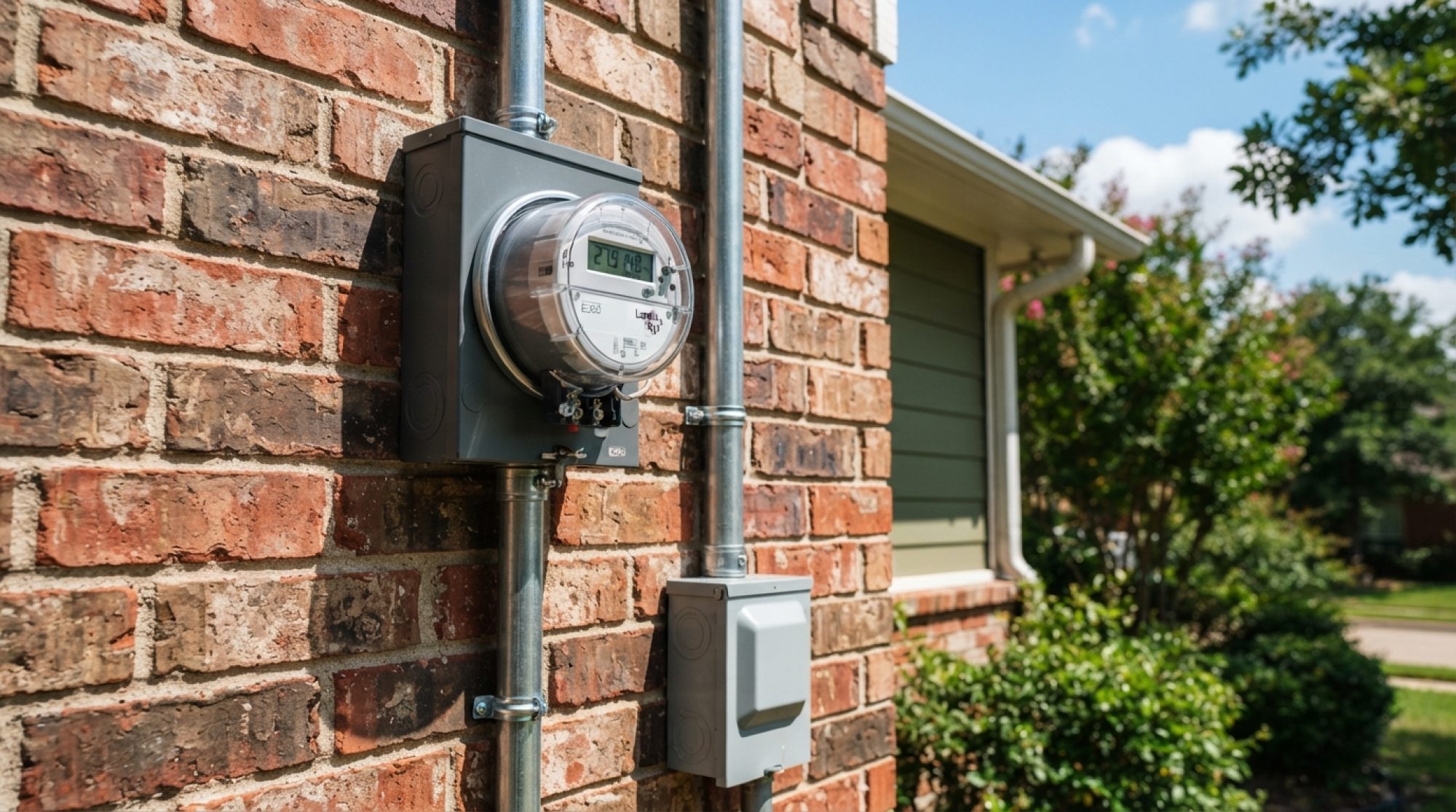
Your REP is the company you choose to buy electricity from; they set your rate contract, handle customer billing, and manage your account. Oncor, on the other hand, is the regulated utility that physically owns and maintains the power lines, poles, transformers, and smart meters across the DFW Metroplex, Waco, Midland/Odessa, Tyler, and surrounding areas. Whether you manage a residential account or shop for commercial facilities looking for business electricity plans, Oncor acts as the single delivery backbone for your location.
Demystifying PUCT-Regulated Delivery Charges
The fees charged by Oncor are non-negotiable pass-through costs regulated by the Public Utility Commission of Texas (PUCT). Your REP collects these fees on behalf of Oncor and passes them directly through to the utility without adding markup. Just as CenterPoint Energy handles lines and poles in the Gulf Coast region for consumers comparing electricity Houston rates, Oncor ensures grid stability and maintenance across North and West Texas.
Oncor delivery charges typically consist of two primary components on your bill:
- Fixed Utility Base Charge: A flat monthly fee assessed per billing cycle for maintaining account infrastructure and service readiness, regardless of how much energy your home consumes.
- Volumetric Transmission and Distribution Fee: A charge based on your total electricity consumption measured in kilowatt-hours (kWh). The more electricity you consume in a month, the higher this variable portion will be.
Regardless of whether you enrol in a standard fixed-rate plan or select a flexible prepaid electric service, these utility delivery fees are calculated using the exact same PUCT-approved formulas across the entire Oncor footprint.
Navigating Energy Choices with ElectricityOne
Finding the right combination of low provider rates and predictable terms within the expansive Oncor service area requires reliable guidance. Rather than feeling overwhelmed by government listing portals like power to choose, Texas residents rely on ElectricityOne for streamlined, transparent energy shopping.
- Over 20 Years of Texas Market Experience: Delivering reliable, quick, and courteous electric service guidance for homes and businesses throughout Texas.
- Comprehensive Oncor Territory Coverage: Serving as a premier connection platform for residents in Dallas-Fort Worth, Central Texas, and West Texas.
- Meticulous Provider Selection: Partnering strictly with top-tier REPs offering substantial savings, reliable performance, and total price transparency.
- Clear Bill Disclosures: Ensuring all pass-through charges and utility fees are clearly presented so you never face unexpected billing surprises.
Mastering Your Oncor Bill and Emergency Protocols
Understanding the distinction between your utility and your provider is crucial during unexpected grid emergencies. Because Oncor manages the physical infrastructure, you must contact Oncor directly—not your retail energy provider—to report downed power lines, localized transformer problems, or storm-related power outages across the DFW region.
By understanding how Oncor delivery charges work alongside your provider’s energy rates, you gain full control over your monthly electricity expenditures. Ready to find the best energy plan for your Oncor delivery area? Call 1.844.567.2863 today to speak with our Texas energy experts.
Frequently Asked Questions About Oncor Delivery Charges
Why do my Oncor delivery charges fluctuate from month to month?
While the fixed monthly base charge remains constant, the volumetric delivery charge scales directly with your monthly electricity usage. Consuming more kilowatt-hours during peak heating or cooling seasons increases the usage-based portion of Oncor’s regulated delivery fees.
Can I choose a different utility company instead of Oncor?
No. Utility delivery companies operate as regulated monopolies in their assigned geographic regions to avoid duplicating physical power lines and equipment. If your home or business is located within Oncor’s territory, Oncor will always be your physical delivery utility, though you retain full freedom to choose your retail electric provider.
Who should I call if my power goes out in the Oncor service area?
In the event of a power outage or fallen line, you should immediately contact Oncor directly or report the issue through their online outage portal. Your retail electric provider manages billing and rates, but Oncor dispatches the repair crews responsible for restoring physical service.