Living in the vast and vibrant expanse of South Texas means enjoying sunny weather, rich culture, and a unique energy landscape. Whether you are running a household in Corpus Christi or managing operations near the border, keeping your lights on requires understanding how power moves from the grid to your wall outlet. Many residents are often surprised by the structure of their monthly electric bills, particularly when it comes to the mandatory fees associated with moving electricity across roughly 44,000 square miles of territory. To master your monthly statement, you must first look closely at aep texas central delivery charges and how they impact your overall energy budget.
Provider vs. Utility: Who Does What in South Texas?
One of the most common points of confusion in the deregulated Texas energy market is the distinction between your Retail Electric Provider (REP) and your Transmission and Distribution Utility (TDU). While you have the freedom to shop around—much like residents looking for electricity Houston options or comparing plans for electricity dallas—your local wires company is locked by geography.
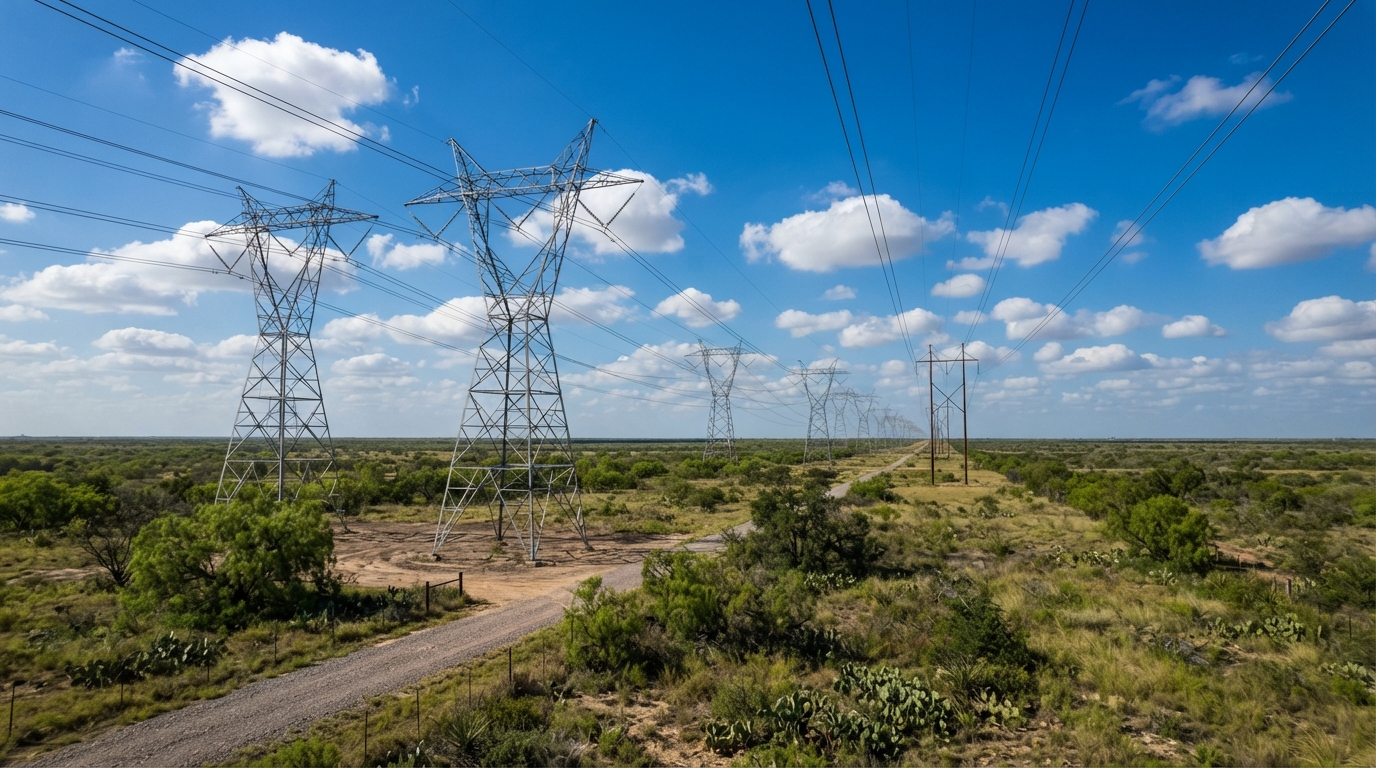
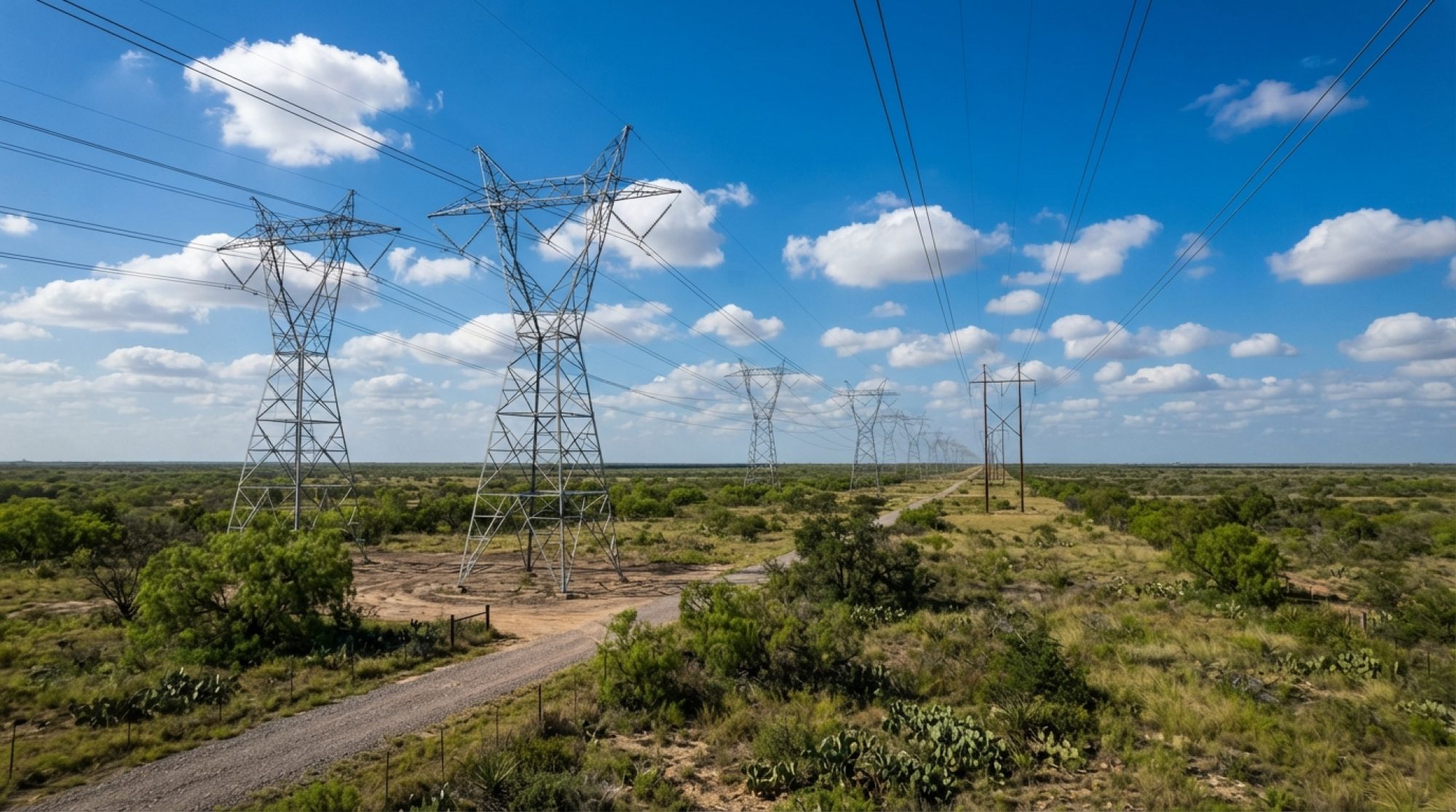
AEP Central is your TDU. They do not generate electricity, nor do they sell it to you directly. Instead, AEP Central owns and maintains the physical infrastructure: the massive transmission towers, wooden utility poles, transformers, and local power lines that stretch from Victoria down through the Rio Grande Valley, including McAllen, Harlingen, and Laredo. When your power goes out, or when a line goes down during a coastal storm, AEP Central crews are the ones rolling out to fix it.
The Role of Your Retail Electric Provider
Your REP, on the other hand, is the company you choose to buy your electricity from. They handle customer service, billing, and the procurement of the actual power generation. When you look at the state’s official power to choose database or explore alternative options like prepaid electric service, you are selecting your REP. They also package your bill, collecting both the generation charges and the regulated utility fees on a single statement.
Decoding Your Monthly Statement
When your monthly electric bill arrives, it is typically broken down into two main categories: energy charges (billed by your REP) and delivery charges (billed by AEP Central). Many consumers wonder why their utility fee fluctuates. AEP Central delivery charges generally consist of two parts:
- A Fixed Monthly Charge: A flat fee assessed to cover the basic cost of meter maintenance and connection to the grid, regardless of how much power you consume.
- A Per-Kilowatt-Hour Charge: A variable fee tied directly to your monthly energy usage, which accounts for the cost of transmitting electricity over the local distribution lines.
These rates are strictly regulated by the Public Utility Commission of Texas (PUCT) to ensure that infrastructure upkeep remains safe and reliable without gouging consumers. Because these fees are a mandatory pass-through, every single REP must charge them to customers in the AEP Central footprint without adding a markup.
Navigating the South Texas Energy Market with Confidence
Navigating the complexities of energy pricing requires a trusted partner, especially when managing business electricity plans or residential accounts across major South Texas hubs. This is where ElectricityOne steps in to make the process seamless and transparent.
With over two decades of industry leadership, ElectricityOne has built a reputation for excellence in the Texas energy sector. Here is how our platform helps you secure the best value:
- Two Decades of Expertise: Leveraging over 20 years of experience providing reliable, quick, and courteous electric service for Texas homes and businesses.
- Meticulous Provider Selection: We partner exclusively with Retail Electric Providers that offer true cost savings and high customer satisfaction.
- Transparent Disclosure: Every fee, including mandatory utility pass-throughs, is clearly laid out so you never encounter hidden surprises on your bill.
- Streamlined Shopping: We cut through the industry jargon to help you quickly find and enroll in a plan tailored to your specific usage profile.
Conclusion
Understanding how AEP Central operates behind the scenes empowers you to take full control of your South Texas energy consumption and billing. By knowing the difference between your delivery utility and your retail provider, you can evaluate your monthly statement with absolute clarity. Ready to find the best energy plan for your AEP Central delivery area? Call 1.844.567.2863 today to speak with our Texas energy experts.
Frequently Asked Questions
Can I choose a different delivery utility instead of AEP Central?
No. Transmission and distribution utilities are assigned based on your geographic location. Just as you cannot choose a different company to maintain the water pipes running to your house, your delivery wires company is fixed by your region.
Are AEP Central delivery charges negotiable?
No, these charges are strictly regulated by the Public Utility Commission of Texas (PUCT). Every retail electric provider must pass these exact rates through to consumers without adding any discretionary markup.
Who should I call if my power goes out in South Texas?
You should contact AEP Central directly to report outages, downed power lines, or service interruptions, as they own and operate the physical electrical infrastructure in your area.