For residents living across the Greater Houston metropolitan area, the Texas Gulf Coast, Galveston, Katy, and Sugar Land, opening a monthly electric bill can sometimes lead to confusion. While you carefully shop for the lowest electricity rates, you will always notice a separate section on your bill dedicated to utility fees. These are not charges from your chosen Retail Electric Provider (REP); instead, they are the mandatory, state-regulated fees required to deliver power to your home.
To fully take control of your household budget, it is essential to understand how the physical delivery of electricity is funded. In the Houston region, these costs are known as centerpoint energy delivery charges. Let’s break down what these fees are, why they appear on your bill, and how you can navigate the deregulated Texas market to keep your overall energy costs as low as possible.
Understanding the Texas Grid: REP vs. TDSP
To make sense of your electric bill, you must first understand the two distinct entities that power your home in a deregulated market:
- The Retail Electric Provider (REP): This is the company you choose to buy your electricity from (your retail provider). They purchase wholesale electricity, package it into various plans, send you your monthly bill, and handle customer service.
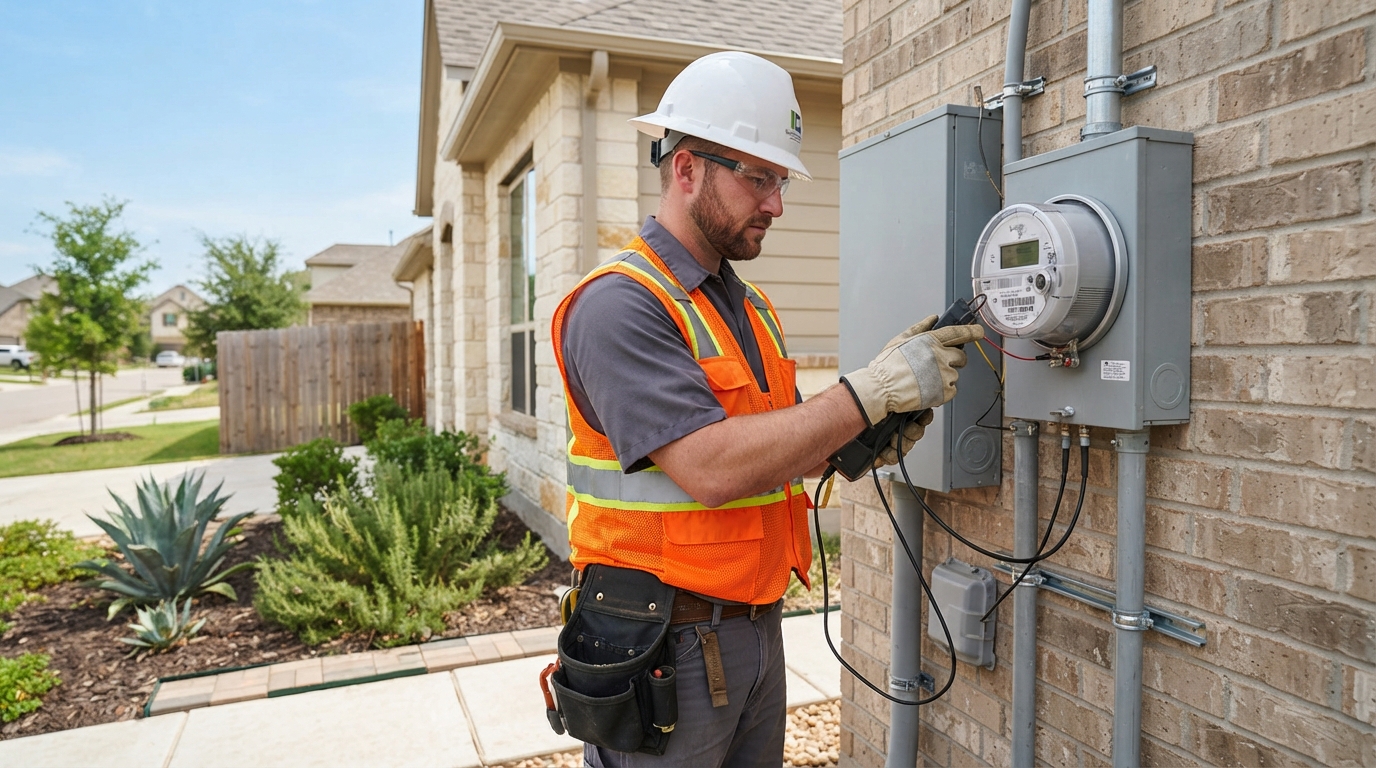
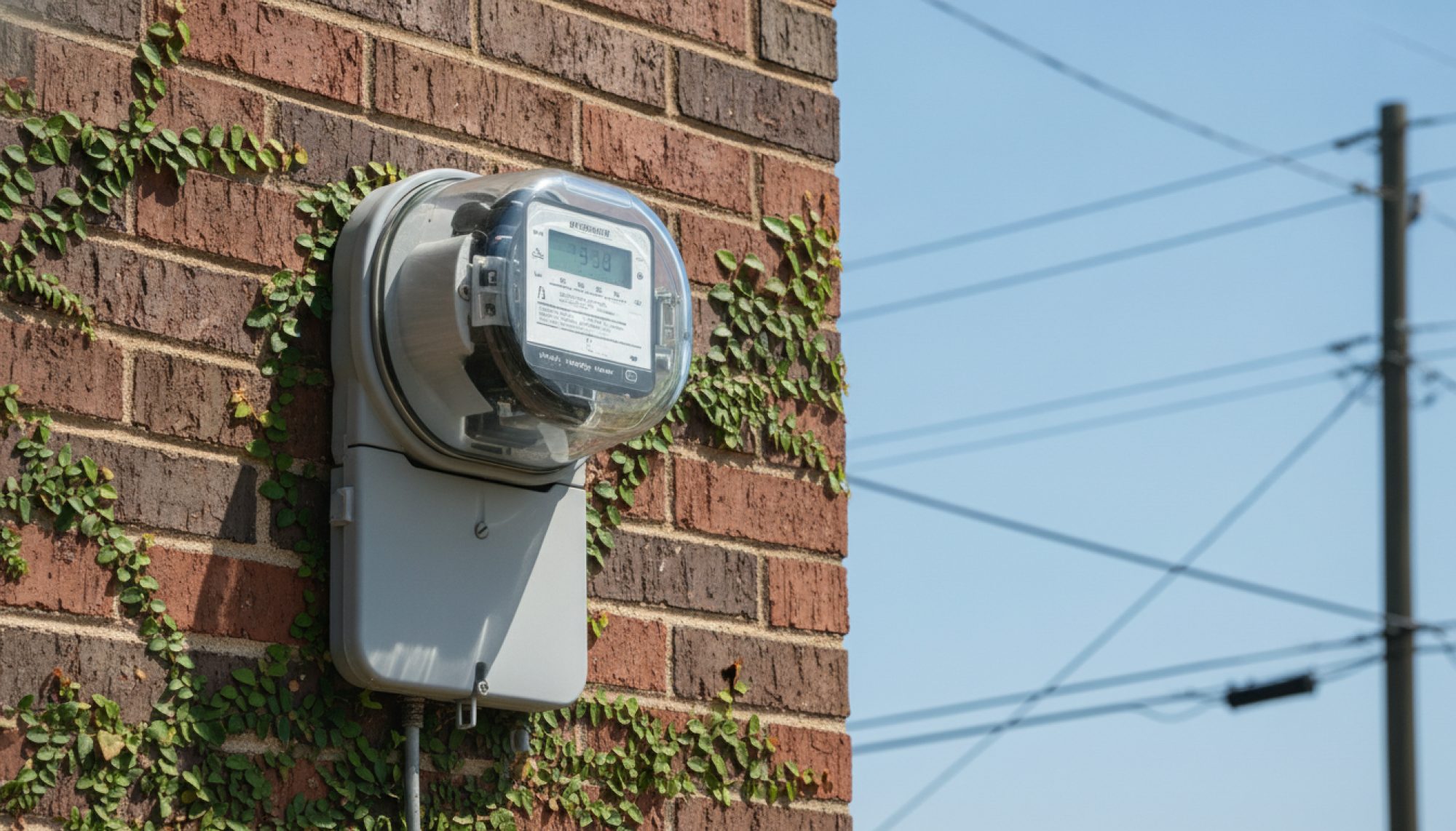
- The Transmission and Distribution Service Provider (TDSP): Also known as the utility, this is the company that owns and maintains the physical infrastructure—the poles, wires, transformers, and digital meters. In the Greater Houston footprint, CenterPoint Energy is the sole TDSP, serving nearly 2.8 million metered customers.
No matter which REP you choose to buy your electricity from, CenterPoint Energy is the utility that physically delivers that power to your home, maintains the grid through intense summer heatwaves, and works around the clock to restore power after major Gulf Coast storms and hurricanes.
Breaking Down CenterPoint Energy Delivery Charges
Because CenterPoint Energy maintains the physical grid, they are allowed to recover their operating and maintenance costs. These charges are fully regulated and approved by the Public Utility Commission of Texas (PUCT). They are passed directly through to the consumer with zero markup from your REP.
These delivery charges generally consist of two main components:
1. The Flat Monthly Customer Charge
This is a fixed monthly fee charged per meter, regardless of how much electricity your household consumes during the billing cycle. This fee helps cover the administrative costs of billing, meter reading, and basic customer service infrastructure required to keep your account active on the grid.
2. The Volumetric Distribution Charge
This fee is calculated based on your actual energy usage, charged as a fraction of a cent per kilowatt-hour (kWh). The more electricity you use during hot summer months to run your air conditioning, the higher this portion of the delivery charge will be. These funds directly support the physical upkeep of local power lines, poles, and substations.
3. System and Transmission Recovery Factors
Occasionally, you will see smaller, variable charges designed to recover the costs of transporting high-voltage electricity from power plants over long distances to local distribution networks. These are also PUCT-approved pass-through charges that ensure grid reliability and modernization.
How ElectricityOne Simplifies the Houston Energy Market
While you cannot avoid utility delivery fees, you absolutely have the power to choose who sells you your electricity. Shopping for the right retail plan is the single best way to offset these fixed delivery costs. This is where ElectricityOne comes in.
As a leading platform connecting Houstonians with the finest Retail Electric Providers, ElectricityOne helps you shop with confidence and complete transparency. Here is how we make a difference:
- Over 20 Years of Experience: We have two decades of dedicated experience providing reliable, quick, and courteous electric service for Texas homes and businesses.
- Meticulous Provider Selection: We partner only with top-tier REPs that offer substantial cost savings, excellent customer support, and long-term satisfaction.
- 100% Transparent Costs: We ensure that all plan details clearly disclose how pass-through utility charges impact your total rate, preventing any surprise billing.
- Simplified Comparison: Our platform filters out confusing gimmicks, allowing you to easily compare fixed-rate plans that protect your budget year-round.
Bill Management and Emergency Protocols
Understanding the distinction between your utility and your provider also helps you know who to contact in different situations. Because CenterPoint Energy is responsible for the physical delivery system, they are the entity you must contact during a local power outage, severe storm, or if you spot a downed power line. Your REP cannot assist with physical grid emergencies.
Conversely, if you have questions about your rate, want to update your billing information, or need to discuss payment options, you should contact your Retail Electric Provider.
Ready to find the best energy plan for your CenterPoint delivery area? Call 1.844.567.2863 today to speak with our Texas energy experts.
Frequently Asked Questions
Are CenterPoint delivery charges the same for every retail electric provider?
Yes. Because CenterPoint Energy is the sole regulated utility for the Houston area, their delivery charges are identical for every resident in their service territory, regardless of which Retail Electric Provider you choose.
Do CenterPoint delivery charges change?
Yes, these charges are subject to change. The Public Utility Commission of Texas (PUCT) typically adjusts these regulated rates twice a year (usually in March and September) to reflect the utility’s ongoing infrastructure investment and operational costs.
How can I lower my monthly utility delivery fees?
Because a significant portion of the delivery fee is volumetric (charged per kilowatt-hour), the most effective way to lower these fees is to reduce your overall household electricity consumption through energy-efficiency measures, such as upgrading insulation, using programmable thermostats, and switching to LED lighting.