When you look at your monthly power statement in the Lone Star State, it is completely normal to feel a bit confused seeing two different corporate names on the page. You might have consciously chosen an eco-friendly footprint by selecting a plan like the Gexa Eco Saver Plus 12 Plan, yet you notice a completely different local entity listed for your distribution fees. If you have ever wondered why your bill features charges from both a Retail Electric Provider and a physical wire owner, getting texas tdsp delivery charges explained is the key to unlocking true mastery over your monthly energy budget.
Here at ElectricityOne, we bring over 20 years of experience providing reliable, quick, and courteous electric service for Texas homes and businesses. As a prominent platform that connects residents and businesses with the finest Retail Electric Providers in the state—like Gexa Energy—while educating them on the role of their local utility, we believe in complete transparency. Our meticulous provider selection process ensures partnerships only with REPs that offer substantial cost savings, transparent disclosure of all costs and fees, including TDU pass-through charges, and long-term satisfaction.
The Distinction Between REPs and TDSPs in Texas
To truly understand how electricity flows to your home—whether you are setting up electricity Houston, configuring electricity dallas, browsing business electricity plans, or looking into prepaid electric service—you must understand the split market structure created by the Public Utility Commission of Texas. Instead of relying on a single monopoly, the deregulated market separates the generation and retail sale of power from its physical delivery.
Retail Electric Providers (REPs)
Your REP is the company you shop for, contract with, and pay for the electricity commodity itself. Companies like Gexa Energy compete for your business by offering creative pricing structures, rewards programs, and 100% green energy choices. When you navigate the official power to choose tools and select a provider, you are choosing who bills you for the generation of power and customer service.
Transmission and Distribution Service Providers (TDSPs)
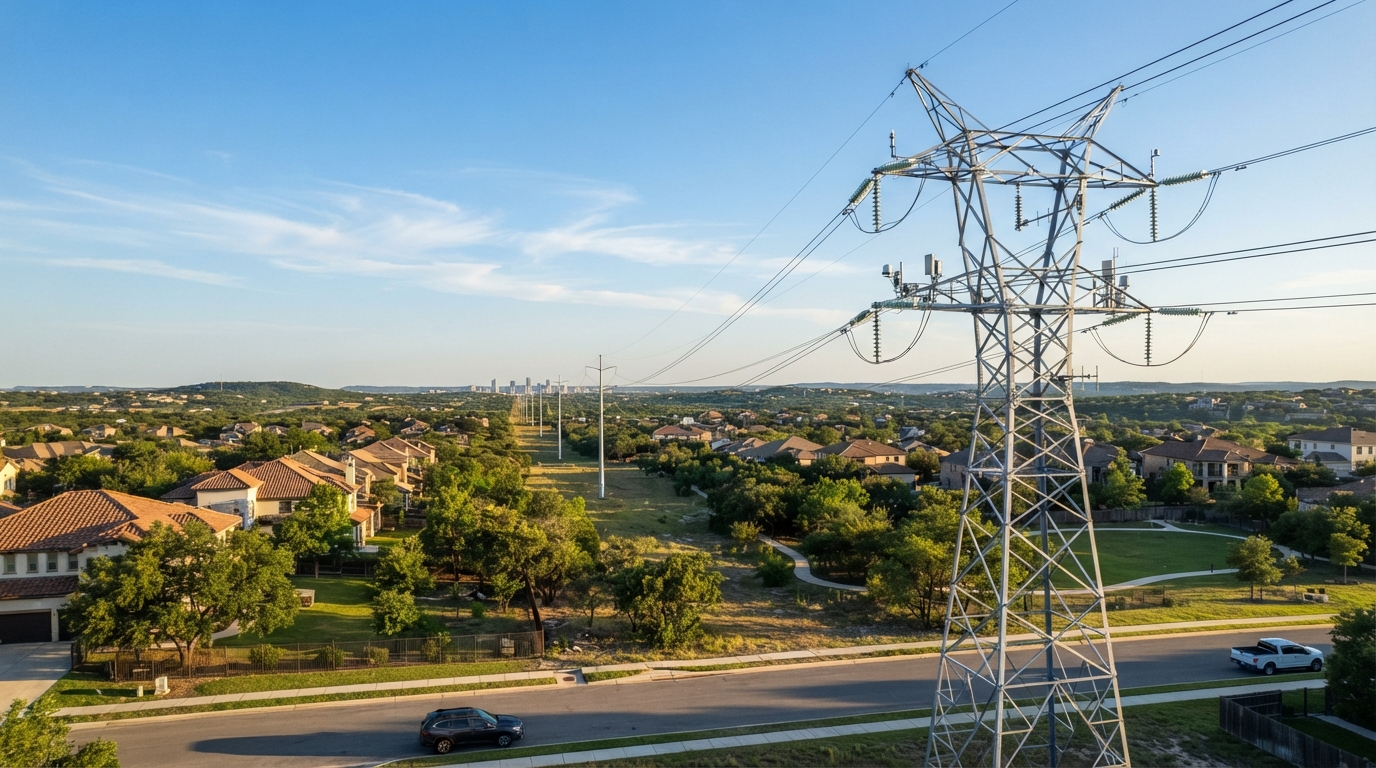
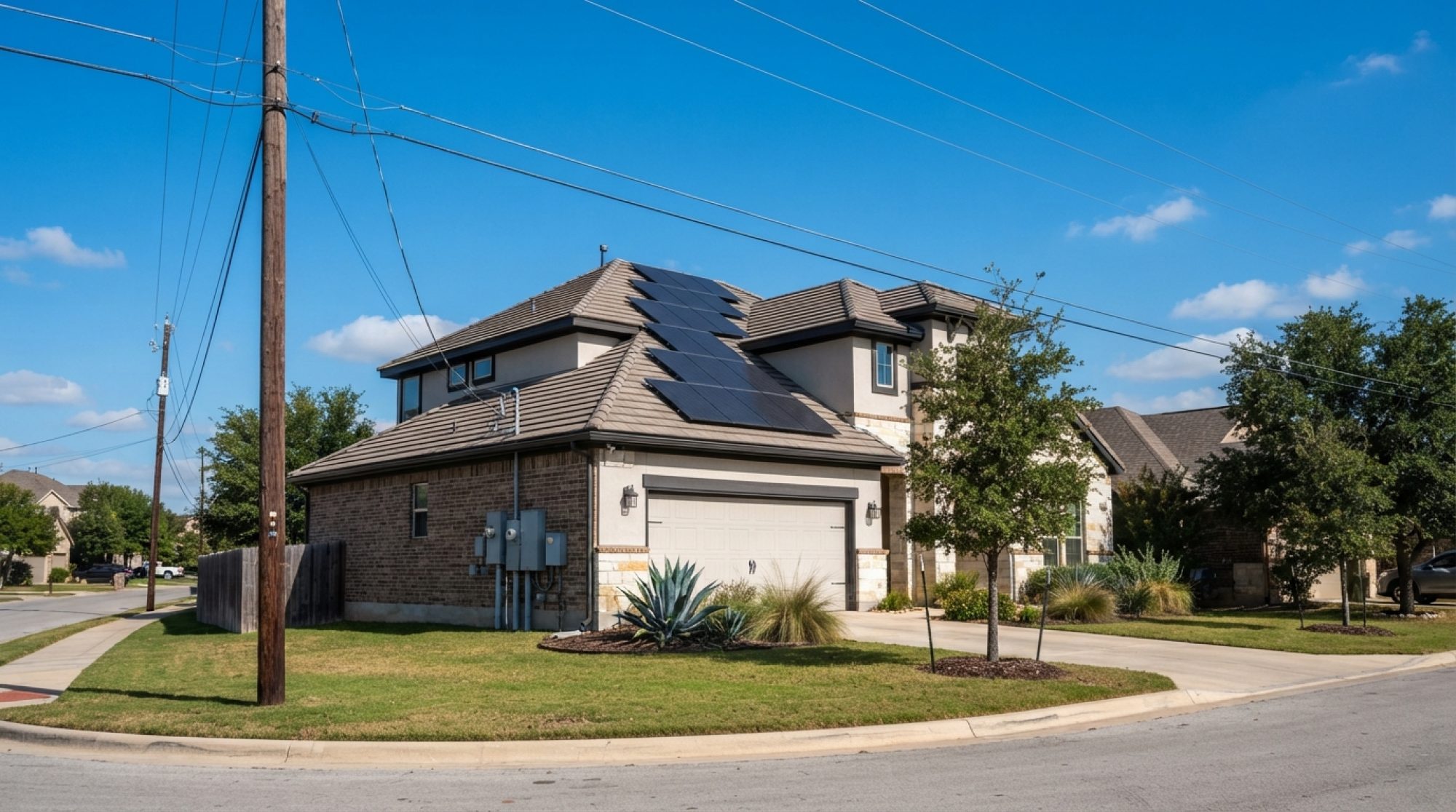
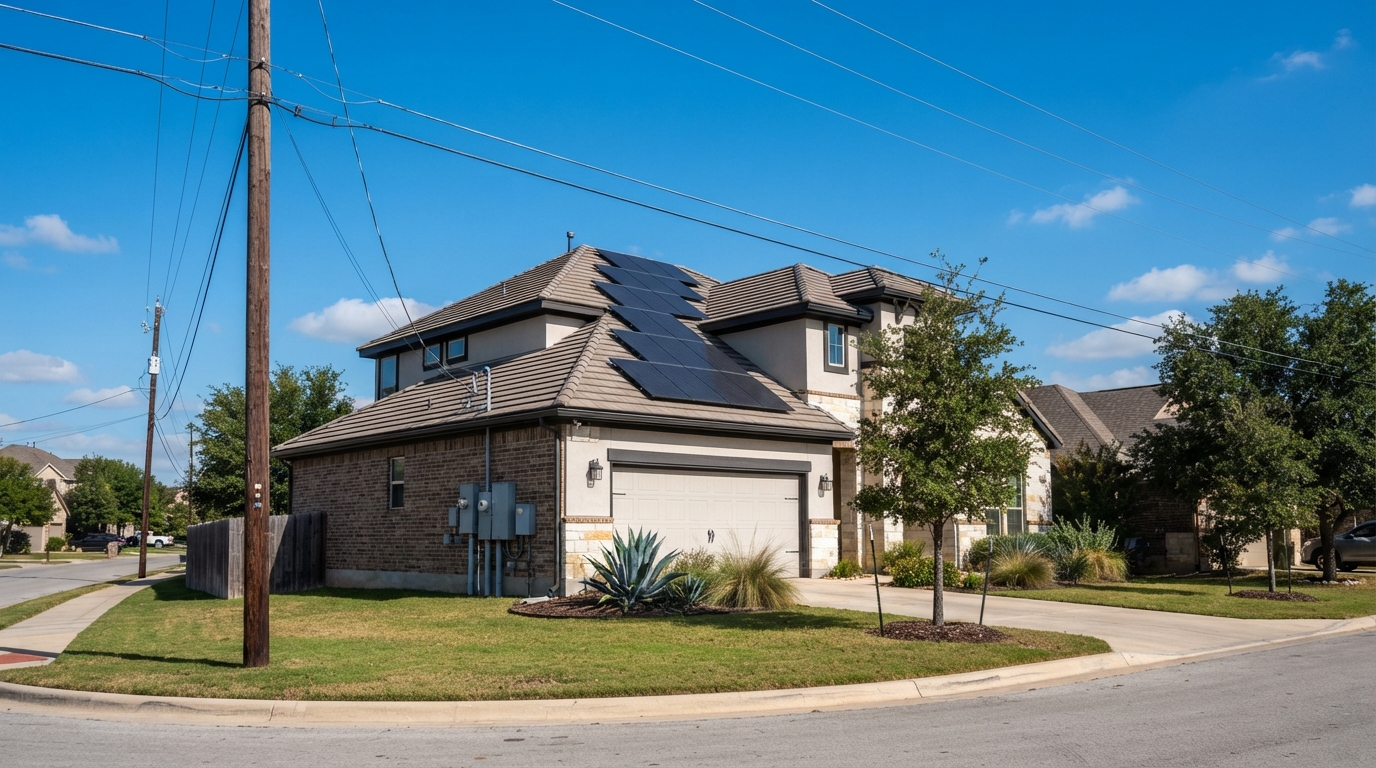
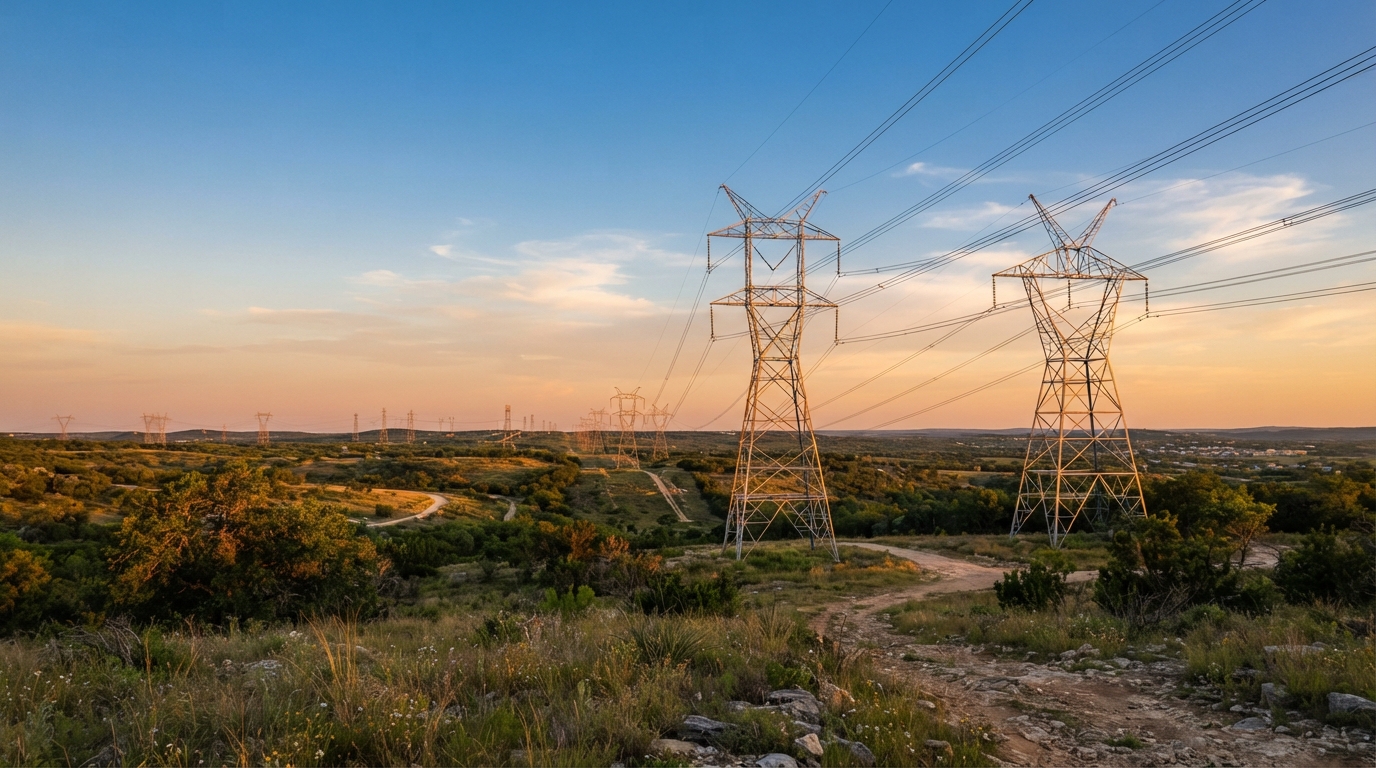
Conversely, your TDSP (also known as a TDU) is the regional utility company that owns and maintains the physical infrastructure. They do not sell you electricity; rather, they maintain the poles, wires, transformers, and smart meters that bring electricity to your doorstep. You cannot choose your TDSP; it is strictly determined by your geographic location.
The Geography of the Grid: The Six Major Texas Utilities
Your local utility delivery area dictates which TDSP manages your infrastructure. The six major Texas utility territories include:
- Oncor Electric Delivery: Serving North and West Texas, including the Dallas-Fort Worth metroplex.
- CenterPoint Energy: Serving the greater Houston metropolitan area and surrounding coastal communities.
- AEP Central & AEP North: Serving parts of South and West Texas, including Corpus Christi and Abilene.
- Texas-New Mexico Power (TNMP): Serving various non-contiguous pockets across the state, including parts of the Gulf Coast, North Texas, and West Texas.
- Lubbock Power & Light (LP&L): Having recently completed its transition into the competitive market, LP&L now operates as part of the ERCOT retail grid.
Regardless of whether you reside in an Oncor or a CenterPoint zone, your chosen retail provider handles the billing while the local utility handles the physical grid maintenance.
How Green Energy Plans Intersect With TDSP Delivery
A common misconception is that selecting a green energy option—such as Gexa Energy offsetting your usage with 100% renewable energy credits for a full year—eliminates your utility delivery fees. However, your local TDSP is still the physical entity moving those electrons over the physical wire grid to your home. Regulated delivery charges are billed by your REP on behalf of your local utility to cover the costs of infrastructure upkeep, storm restoration, and meter reading. These pass-through charges apply uniformly to every customer in a given service territory, regardless of which retail energy provider you select.
Why Choose ElectricityOne?
Navigating the deregulated Texas market does not have to be a chore. Through our decades of experience, we simplify the process:
- Over 20 years of dedication to helping Texans find dependable power solutions.
- Streamlined comparison tools covering all six major TDSP zones across the state.
- Carefully curated partnerships with top-tier REPs like Gexa Energy.
- Clear education on pass-through charges, base fees, and total cost transparency.
Ready to find the best energy plan for your specific utility delivery area? Call 1.844.567.2863 today to speak with our Texas energy experts.
Frequently Asked Questions
### Can I choose my TDSP if I prefer a different utility company?
No. TDSPs operate as regulated regional monopolies. Your physical address determines which utility company maintains the lines and smart meters connected to your home or business.
### Why do I see a utility charge on my bill if I bought a green energy plan?
Even if your retail electric provider supplies 100% renewable energy credits, the local TDSP charges a regulated fee to transport those electrons safely across the physical power lines to your property.
### Who do I call if my power goes out?
If you experience an outage or downed power line, you should call your local TDSP (such as Oncor or CenterPoint), not your Retail Electric Provider, as the utility is responsible for emergency grid repairs.


 for Maximum Utility Savings](https://electricityone.com/wp-content/uploads/2026/11/Mastering-Your-lpl-delivery-residential-service-areahttpselectricityone.com-for-Maximum-Utility-Savings.jpg)