
If you have ever stared at your monthly electric bill and wondered why there are separate charges for energy supply and delivery, you are certainly not alone. Many Texas residents find themselves confused when they sign up for a competitive contract—such as securing structured stability through the SimpleSaver 12 plan—only to notice a completely different company name maintaining the power lines outside their home. Navigating the deregulated market means understanding how your Retail Electric Provider (REP) interacts with your local utility infrastructure.
At Texas TDSP delivery charges explained, our goal is to empower consumers with clear, actionable insights. With over 20 years of experience providing reliable, quick, and courteous electric service for Texas homes and businesses, ElectricityOne acts as a trusted platform connecting you with the finest REPs in the state while demystifying how your local utility operates.
The Backbone of the ERCOT Grid: REPs vs. TSDPs
To truly understand your monthly statement, you must first recognize the fundamental split in the Texas electricity market. The system is divided into two distinct entities: your Retail Electric Provider and your Transmission and Distribution Service Provider (TDSP, also known as a TDU).
Retail Electric Providers (REPs)
Your REP is the company you actively choose to buy your electricity from. They set your contract terms, manage your customer service, and bill you for your energy usage. A premier example of a trusted Texas REP is APG&E. Through programs like their flagship SimpleSaver 12, APG&E establishes your fixed energy plan terms and supply structure for a full year, ensuring you enjoy predictable pricing while shielding you from volatile market swings.
Transmission and Distribution Service Providers (TDSPs)
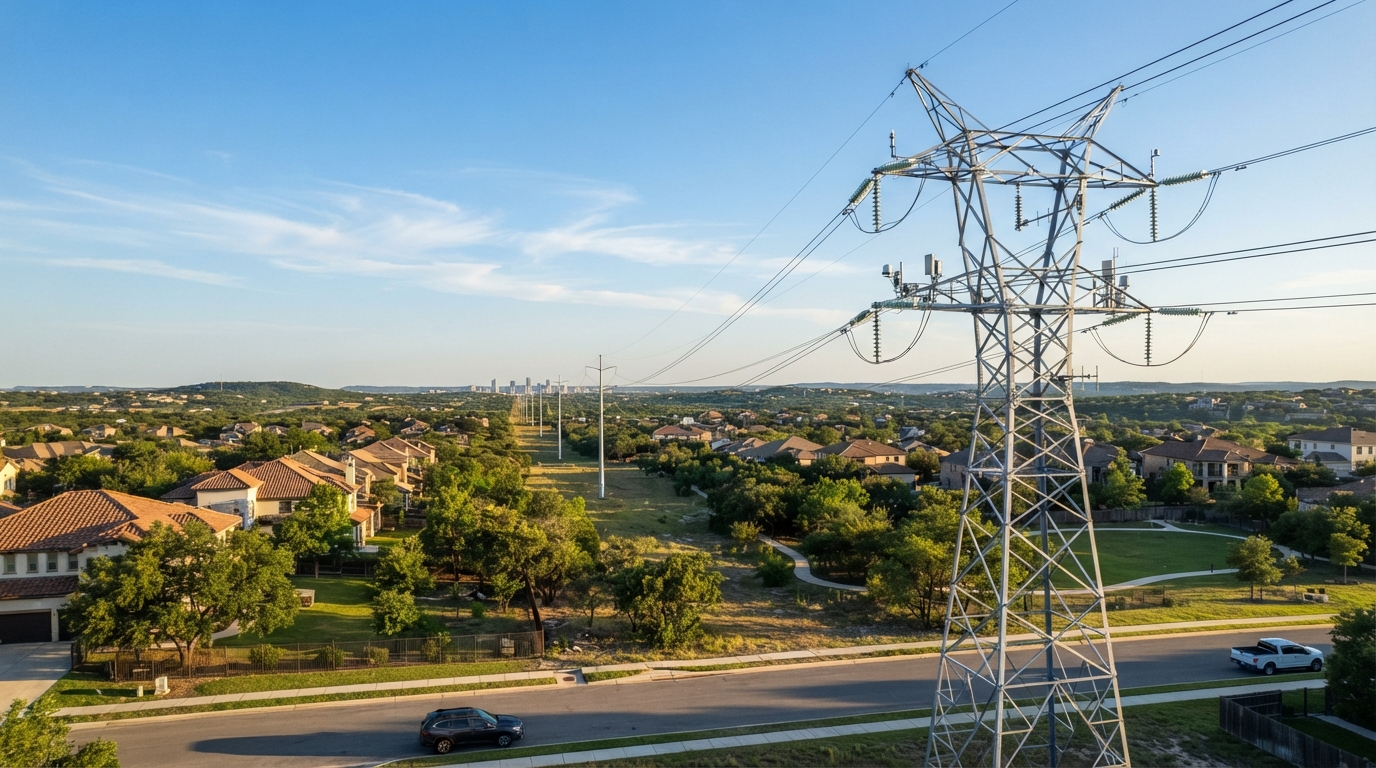
Unlike your REP, you do not choose your TDSP. Your local utility company is entirely determined by your geographic location. Whether you are setting up electricity Houston services, residential electricity dallas options, commercial business electricity plans, or exploring alternative choices like prepaid electric service, your physical power is always managed by your regional wire company. The TDSP owns and maintains the physical poles, wires, transformers, and smart meters that bring electricity directly to your doorstep. They are also the crews that respond when severe weather knocks out your power.
Demystifying Pass-Through Fees and Delivery Charges
A common point of confusion for consumers is why delivery fees appear on their statements even when they have locked in a fixed supply rate. Regardless of whether your plan utilizes bill credits or traditional fixed pricing structures, state-regulated utility fees are a standard component of every bill.
The Public Utility Commission of Texas (PUCT) strictly regulates these delivery charges. They cover the operational costs of maintaining the grid, reading your smart meter, and repairing storm-damaged lines. Because these fees are non-negotiable pass-through costs, they are billed to you transparently on behalf of your local utility, whether that is Oncor, CenterPoint, AEP, TNMP, or LP&L.
How ElectricityOne Simplifies Your Energy Choice
Navigating the complex landscape of Texas energy can feel overwhelming, but finding the right provider doesn’t have to be. As you evaluate your options—much like utilizing tools modeled after the state’s official power to choose resources—ElectricityOne is here to help. Here is what sets our provider selection process apart:
- Over 20 years of trusted industry experience in the Texas energy market.
- A meticulous vetting process ensuring partnerships exclusively with top-tier REPs like APG&E.
- Commitment to transparent disclosure of all costs and fees, including TDU pass-through charges.
- Dedicated support to help you secure long-term satisfaction and substantial cost savings for your home or business.
By understanding how your TDSP delivers power and how your REP prices that energy, you can read your monthly statement with absolute confidence. Ready to find the best energy plan for your specific utility delivery area? Call 1.844.567.2863 today to speak with our Texas energy experts.
Frequently Asked Questions
Can I choose a different TDSP to lower my delivery fees?
No. TDSP service territories are strictly defined by geographic boundaries. You cannot change your local utility company, as they hold the exclusive franchise rights to maintain the physical power infrastructure in your specific neighborhood.
Who do I call if my power goes out during a storm?
You should contact your local TDSP—such as Oncor or CenterPoint—directly. While your REP handles your billing and energy supply contract, the utility company is responsible for dispatching repair crews to fix downed lines and restore power.
Are TDSP delivery charges included in fixed-rate plans?
It depends on how your plan is structured. Some REPs bundle the utility delivery charges into a single fixed price per kilowatt-hour, while others itemize the supply charge and the PUCT-regulated delivery pass-through fees separately on your monthly statement.
 for Maximum Utility Savings](https://electricityone.com/wp-content/uploads/2026/11/Mastering-Your-lpl-delivery-residential-service-areahttpselectricityone.com-for-Maximum-Utility-Savings.jpg)