Living in West and Central Texas means enjoying wide-open spaces, vibrant communities, and unique weather patterns that demand reliable electricity. Whether you are moving into a new home or looking to lower your overhead expenses, navigating your energy bill can sometimes feel like deciphering a foreign language. Understanding how your utility provider operates is the first step toward gaining total control over your monthly power expenses. Many residents look beyond their local region, comparing structures similar to those found when shopping for electricity Houston or electricity dallas, but the local delivery infrastructure in West Texas is entirely its own entity.
Decoding Your Utility and Energy Provider
To truly understand what you are paying for every month, it helps to separate the two primary entities responsible for keeping your lights on: your Retail Electric Provider (REP) and your Transmission and Distribution Utility Service Provider (TDSP). In Texas, the market is deregulated, meaning you have the power to choose the company that markets electricity to you. However, the physical delivery of that electricity is managed exclusively by the regional utility.
The Role of AEP North
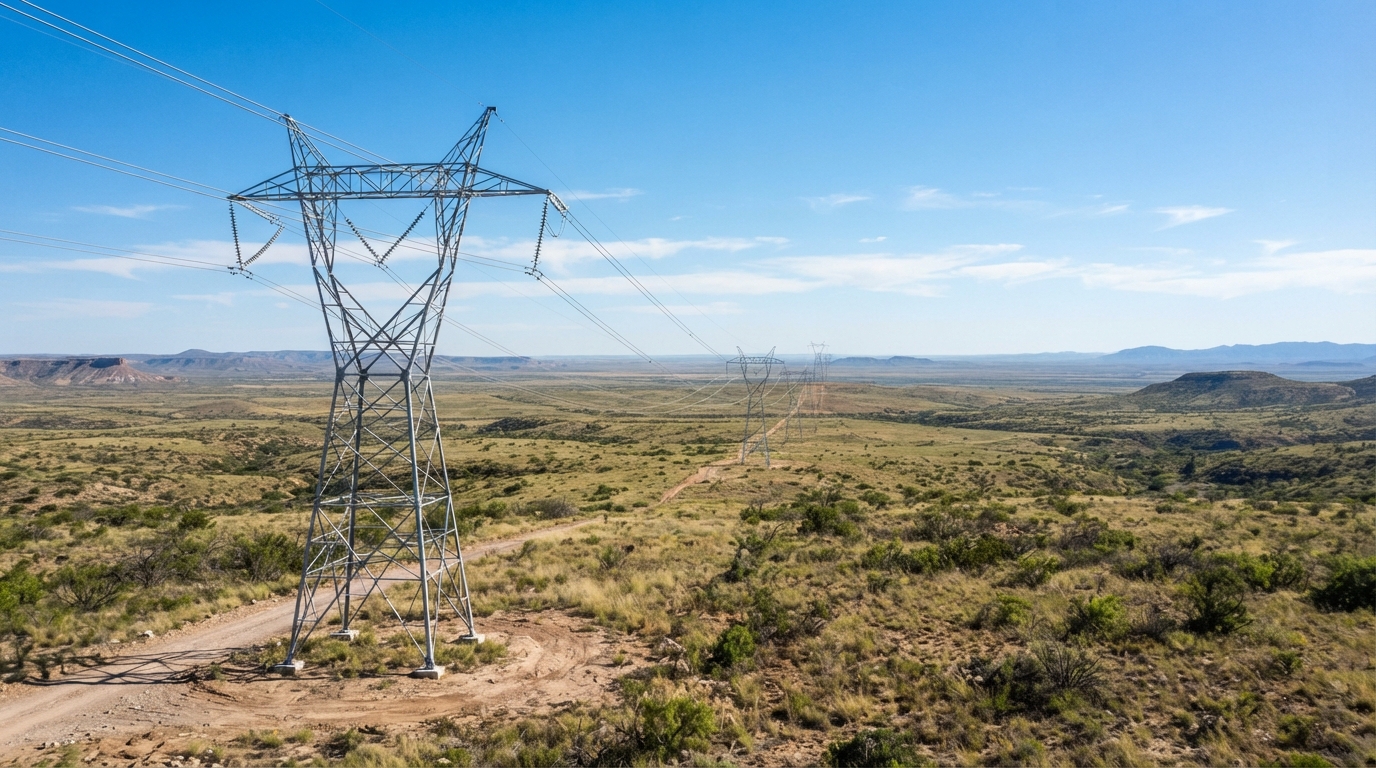
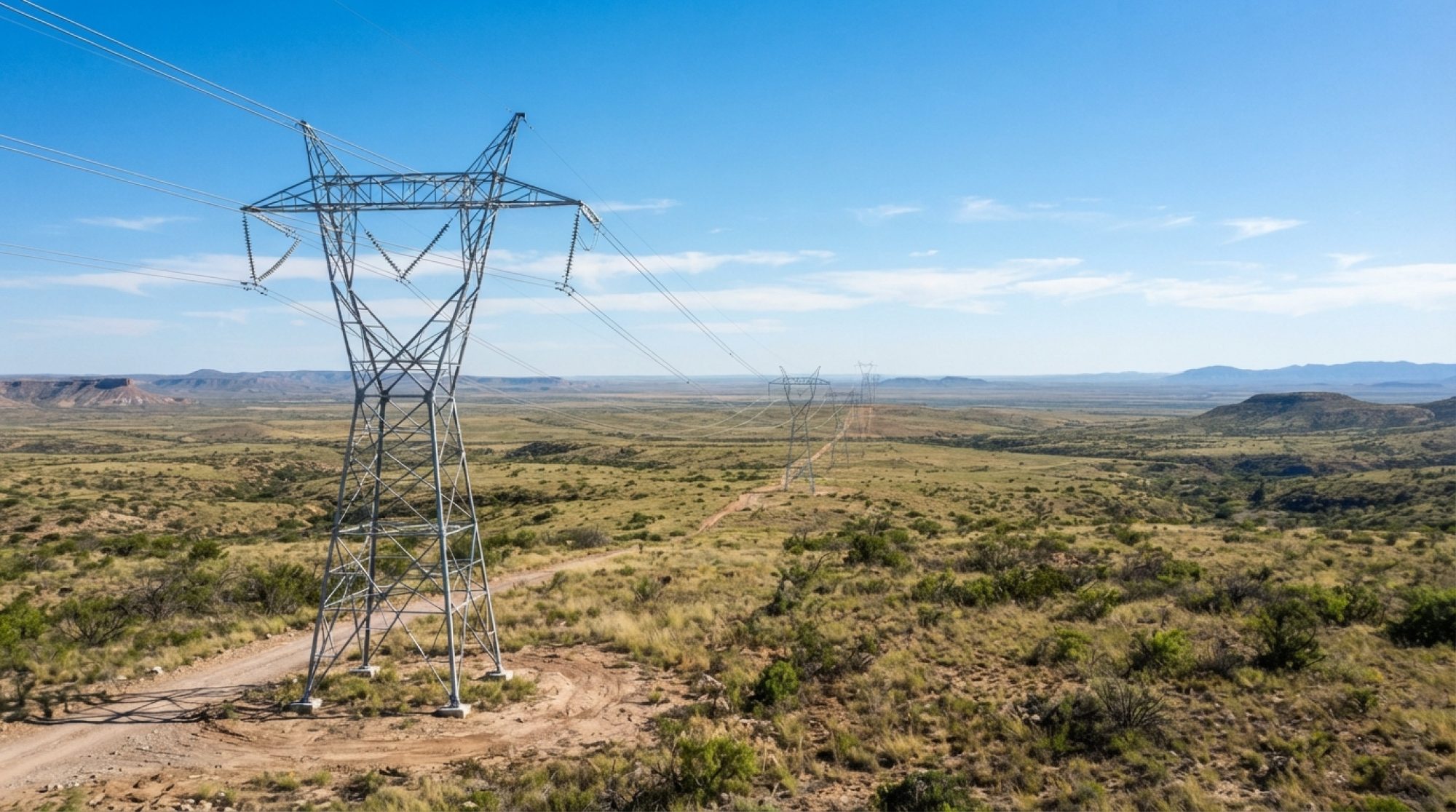
AEP North is the regulated utility that owns and maintains the physical infrastructure—the poles, wires, transformers, and substations—across a massive territory in West and Central Texas. They do not generate power or sell it directly to consumers; instead, they safely transport the electricity to your home or business. Because their infrastructure requires constant maintenance, they charge regulated fees to cover these operational costs.
The Retail Electric Provider (REP)
Your REP is the company you pay each month. They purchase energy from generation companies and package it into consumer-friendly plans. When you review your monthly statement, you will notice charges divided into energy generation costs (set by your REP) and aep texas north delivery charges (set by the Public Utility Commission of Texas and passed through transparently by your provider).
Managing Your West Texas Energy Expenses
Whether you are searching for residential contracts or evaluating business electricity plans for a growing enterprise, transparency is key. You might also explore flexible options like prepaid electric service if you want to avoid traditional credit checks and monthly billing cycles. Regardless of the plan you choose, the utility delivery fees will remain a constant component of your bill because they cover the essential maintenance of the local power grid.
At ElectricityOne, we leverage over 20 years of experience providing reliable, quick, and courteous electric service for Texas homes and businesses. Here is how we simplify your energy shopping experience:
- Connecting West and Central Texas residents with the finest Retail Electric Providers operating within the AEP North utility zone.
- Utilizing a meticulous provider selection process that ensures partnerships only with REPs offering substantial cost savings.
- Demanding transparent disclosure of all costs and fees, ensuring you never face hidden surprises regarding your pass-through utility charges.
- Fostering long-term customer satisfaction through dedicated support and expert market guidance.
Take Control of Your Energy Future
Understanding how AEP North operates and how delivery charges impact your monthly statements empowers you to make smarter, more cost-effective energy choices. While you cannot change the utility company that delivers your power, you have complete freedom to choose a competitive REP that fits your budget and lifestyle.
Ready to find the best energy plan for your AEP North delivery area? Call 1.844.567.2863 today to speak with our Texas energy experts.
Frequently Asked Questions
Can I choose a different utility company instead of AEP North?
No. Utility service territories in Texas are geographically exclusive. AEP North is the designated TDSP for your specific region, meaning they are solely responsible for maintaining the physical power lines and delivering electricity to your property.
What are AEP North delivery charges used for?
These are PUCT-regulated fees that cover the cost of transmitting electricity over high-voltage lines, distributing it to local neighborhoods, reading your meter, and repairing downed lines or storm-related outages.
Who should I call if my power goes out?
You should contact AEP North directly to report power outages or downed lines, as they own and operate the physical equipment. You should contact your Retail Electric Provider for questions regarding your billing, payment plans, or contract terms.