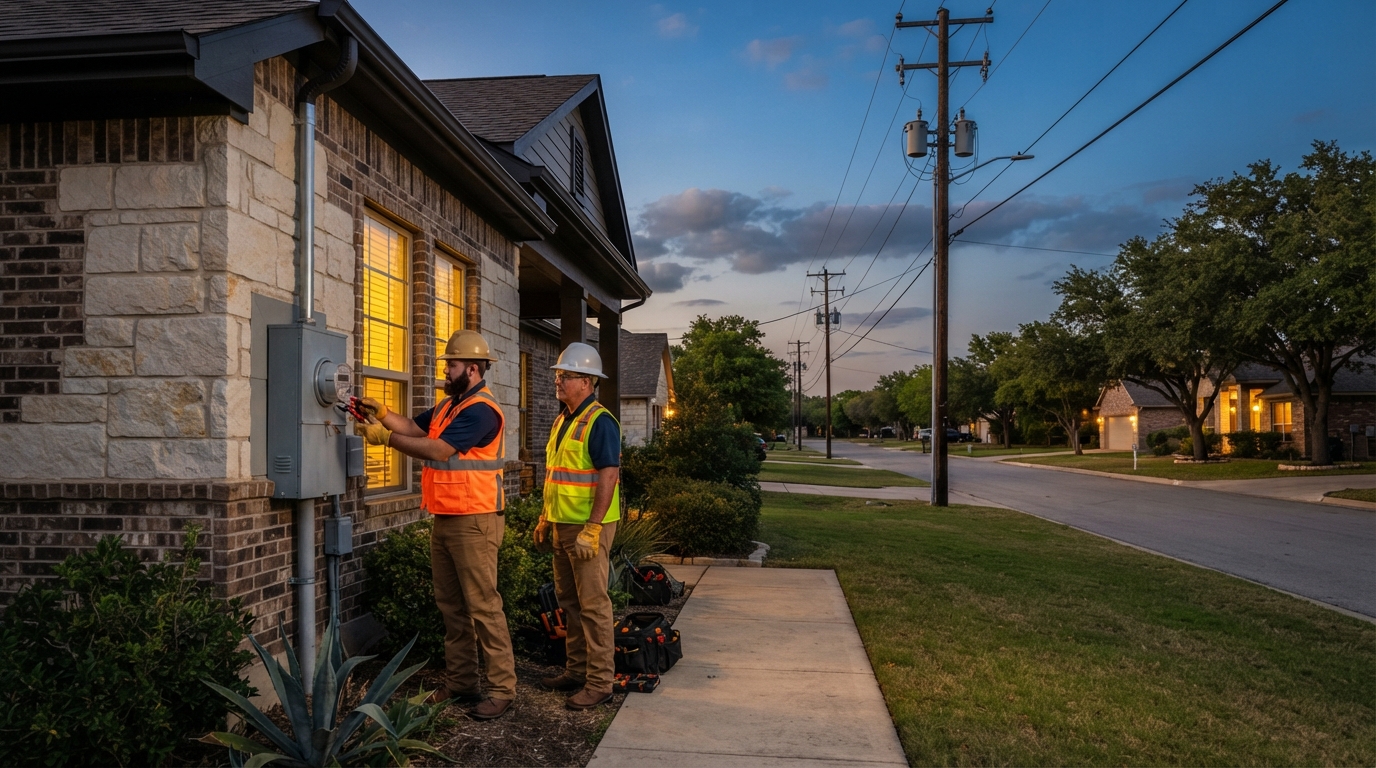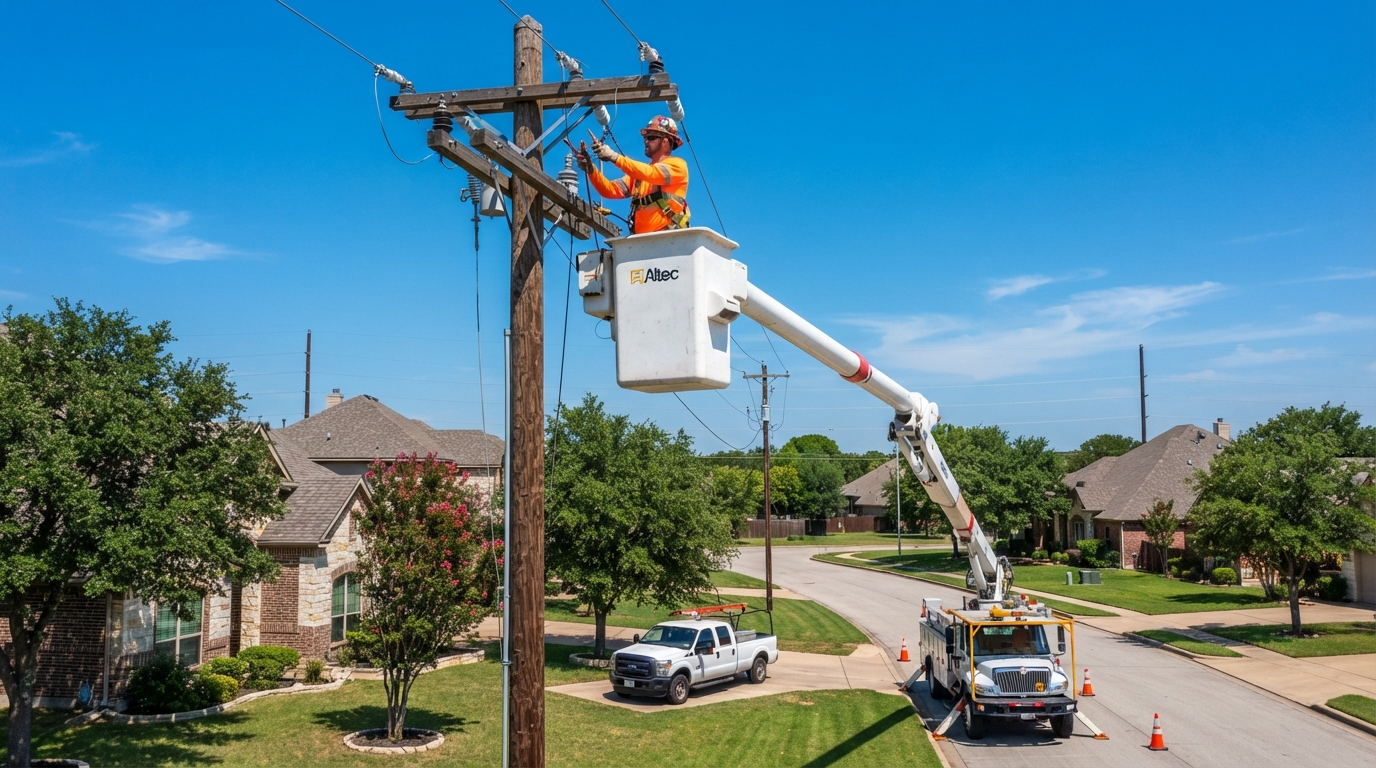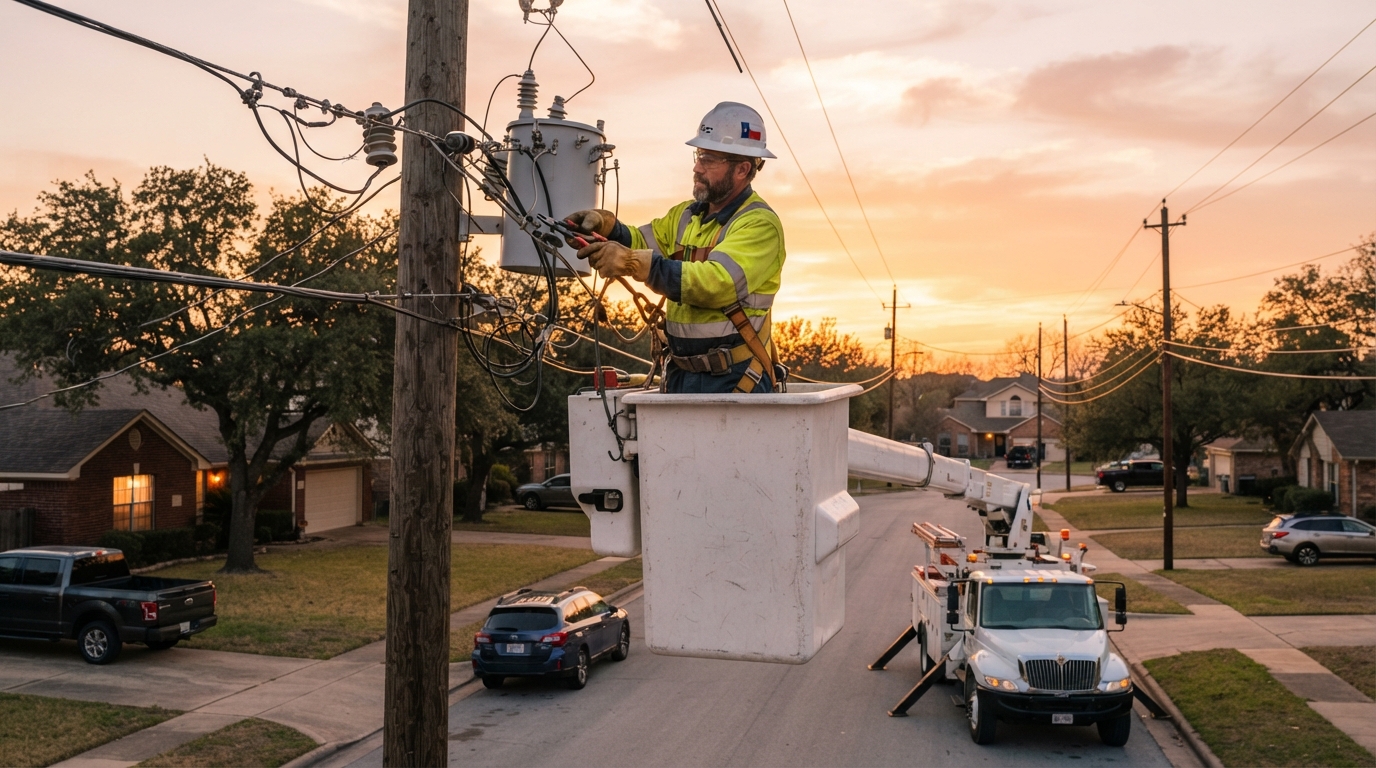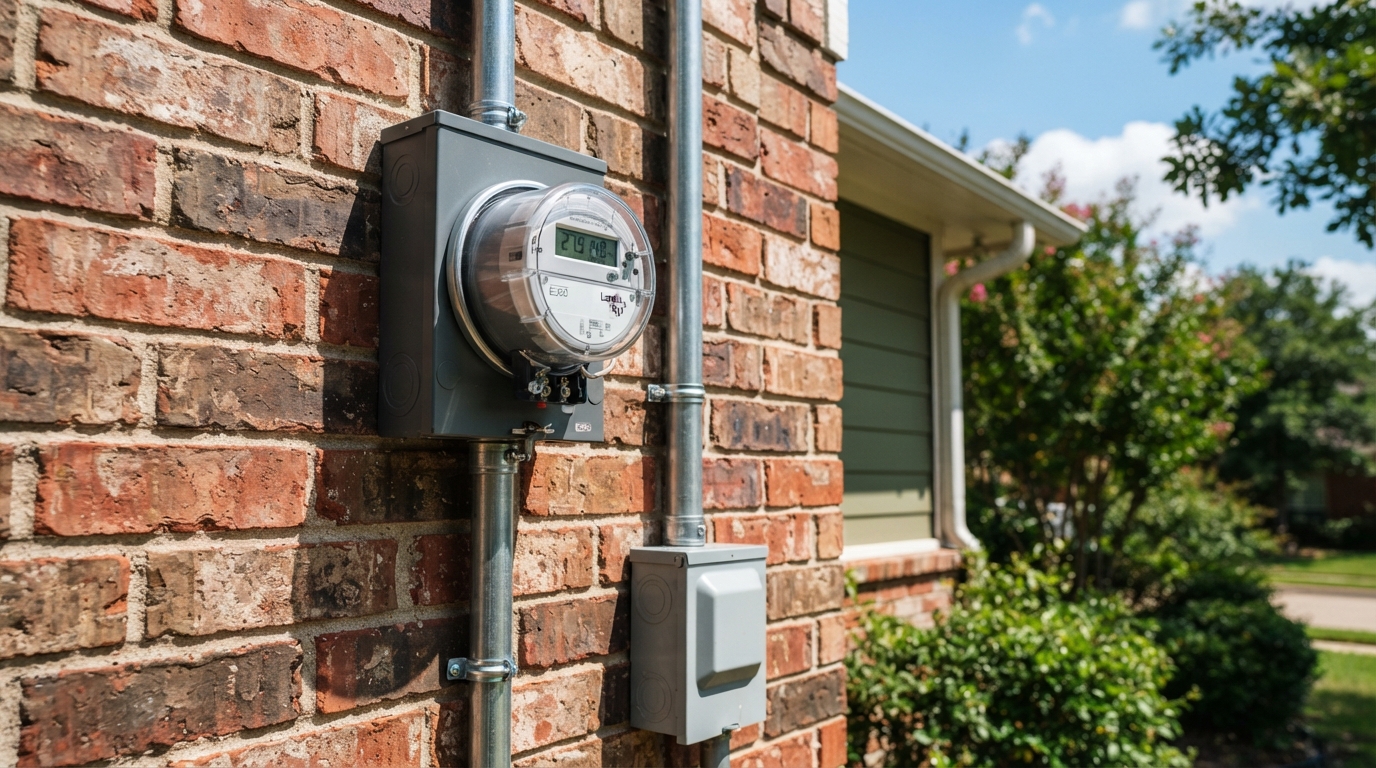
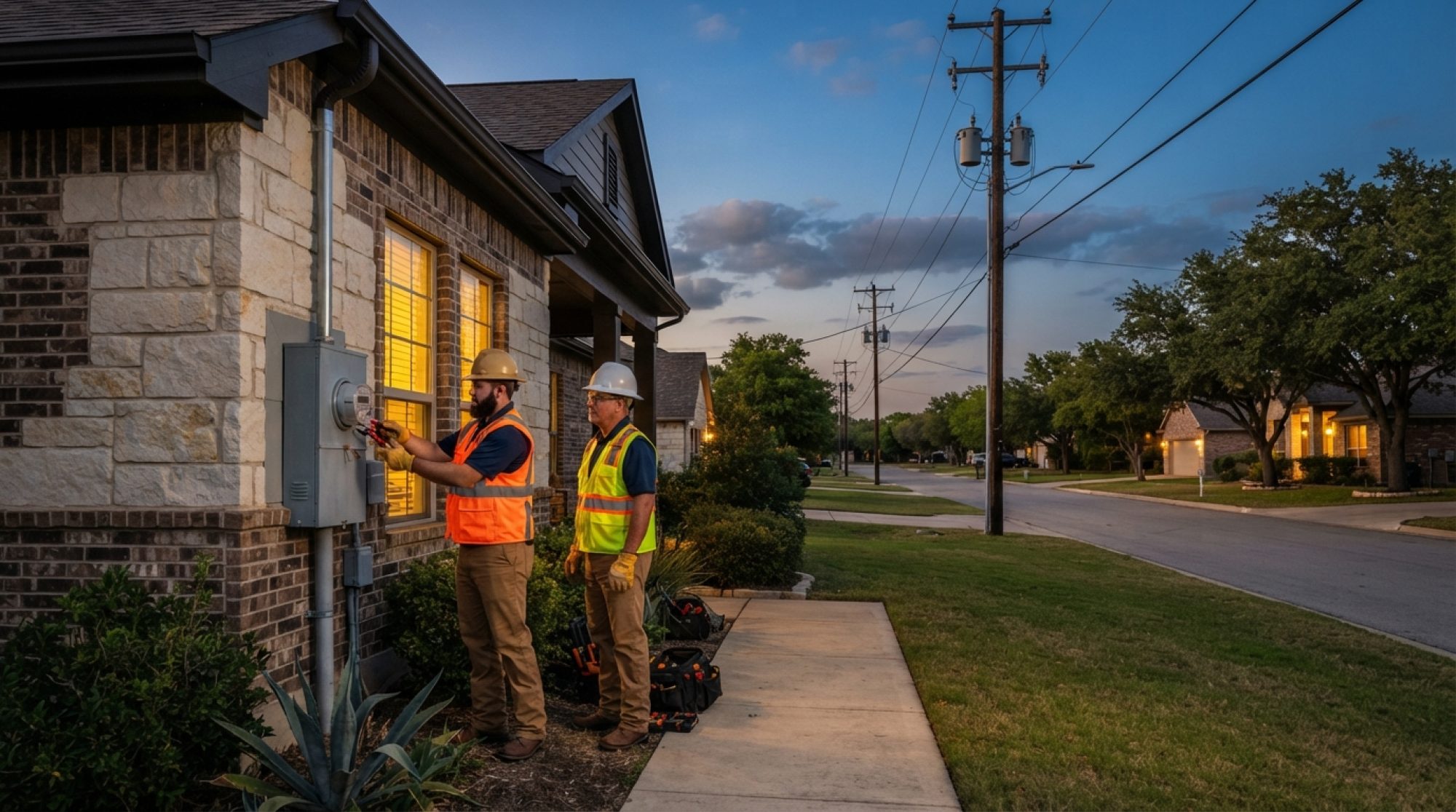
If you recently moved to Texas or switched energy plans, you might be wondering why you shop for power with one company while seeing service trucks from a completely different firm parked on your street. For example, you may sign up for eco-friendly power with Gexa Energy, but notice an Oncor or CenterPoint Energy crew servicing the local smart meter. Understanding how the deregulated Texas power market is divided between energy sellers and infrastructure maintainers is key to managing your monthly bill and managing household energy needs effectively.
Understanding the Texas Energy Market: Provider vs. Utility
To navigate the Texas grid efficiently, it helps to understand what is a transmission and distribution service provider (TDSP) and how it differs from a Retail Electric Provider (REP). The Texas deregulated market splits electric operations into two distinct responsibilities: generation/sales and delivery/maintenance.
Retail Electric Providers (REPs)
A Retail Electric Provider is the company you choose to handle your electricity supply account. REPs buy electricity on the wholesale market and package it into consumer plans with various term lengths, fixed or variable structures, and renewable energy options. Your REP sends your monthly bill, processes payments, and manages customer service inquiries.
Gexa Energy is a premier example of a trusted Texas REP. Known for their commitment to sustainability, Gexa offers options like the Gexa Eco Saver Plus 12 Plan. When you enroll in this plan, Gexa offsets 100% of your electricity usage with renewable energy credits (RECs) for an entire year. However, Gexa does not physically own the wires or poles that bring power into your kitchen or living room.
Transmission and Distribution Service Providers (TDSPs / TDUs)
While your REP handles the commercial side, your TDSP (also called a TDU) manages the physical power delivery infrastructure. You do not choose your TDSP; it is assigned automatically based on your home’s geographic location. The TDSP is responsible for maintaining power lines, reading smart meters, repairing transformers, and responding to localized power outages.
Regardless of whether you purchase standard grid power or opt for 100% renewable energy credits through Gexa Energy, your local TDSP is the physical entity moving those electrons over the physical wire grid directly into your home. The delivery charges billed by your TDSP are regulated by the Public Utility Commission of Texas (PUCT) and passed through directly on your bill via your REP without any retail markup.
The Six Major Texas Utility Delivery Areas
The vast majority of the deregulated ERCOT grid in Texas is divided among six major utility transmission and distribution areas:
- Oncor Electric Delivery: The largest TDSP in Texas, serving millions of homes and businesses across Dallas, Fort Worth, and North-Central Texas. Residents searching for reliable electricity dallas solutions fall within Oncor’s service territory.
- CenterPoint Energy: Covering the greater Houston metropolitan area and coastal region. Anyone shopping for residential electricity Houston plans relies on CenterPoint to maintain local poles and wires.
- AEP Texas Central: Serving South Texas communities including Corpus Christi, McAllen, and Laredo.
- AEP Texas North: Covering West and North Texas cities such as Abilene, San Angelo, and Vernon.
- Texas-New Mexico Power (TNMP): Serving distinct regions across Texas, including areas around Gulf Coast communities, North Texas pockets, and West Texas.
- Lubbock Power & Light (LP&L): The newest addition to the deregulated ERCOT network, bringing retail choice to residents and businesses across Lubbock.
Tailoring Energy Solutions to Your TDSP Region
Whether you require standard residential service, short-term flexibility like prepaid electric service, or commercial solutions like custom business electricity plans, your chosen REP works directly behind the scenes with your designated local utility. While consumers often use state tools like the power to choose to review basic market options, choosing a trusted advisory platform ensures complete transparency on TDU pass-through fees and contract details.
Why Partner with ElectricityOne?
At ElectricityOne, we make navigating Texas energy simple and transparent. For over 20 years, we have provided reliable, quick, and courteous electric service guidance for Texas homes and businesses across all six utility territories.
- 20+ Years of Expertise: Deep knowledge of Texas energy deregulation and utility delivery structures.
- Meticulous Provider Selection: We partner exclusively with top-tier REPs—like Gexa Energy—that deliver genuine cost savings and outstanding long-term customer satisfaction.
- Upfront Transparency: We ensure full disclosure of all underlying delivery charges and plan terms so there are never any surprises on your monthly invoice.
- Statewide Coverage: Seamless plan comparison across all major TDSP territories, from Oncor and CenterPoint to LP&L.
Ready to find the best energy plan for your specific utility delivery area? Call 1.844.567.2863 today to speak with our Texas energy experts.
Frequently Asked Questions
### Can I choose my Transmission and Distribution Service Provider in Texas?
No. Your TDSP is determined strictly by your physical address and geographic location. While you can freely choose your Retail Electric Provider (like Gexa Energy), the local utility company that owns and maintains the physical grid infrastructure in your area remains fixed.
### Why do TDSP delivery charges appear on my green energy bill?
TDSP charges cover the operational costs of maintaining physical poles, smart meters, and wires, as well as emergency repairs. Even if you choose a 100% renewable plan that offsets your footprint with renewable energy credits, the physical power must still be delivered across the local utility grid to your home.
### Who should I contact if my electricity goes out?
In the event of a power outage, storm damage, or downed power line, you should contact your local TDSP directly, rather than your Retail Electric Provider. Your TDSP dispatches the repair crews responsible for restoring local infrastructure and power lines.