
Ever found yourself wondering why your electricity bill has two company names on it? Or perhaps you chose an eco-friendly plan from Gexa Energy through ElectricityOne, only to see a truck from Oncor or CenterPoint servicing the smart meter outside your home. In the deregulated Texas energy market, this isn’t a mix-up; it’s a fundamental aspect of how power reaches you. Understanding the clear distinction between your Retail Electric Provider (REP) and your Transmission and Distribution Service Provider (TDSP) is key to navigating your energy choices and knowing exactly who does what.
The Two Pillars of Texas Electricity: REP vs. TDSP
Texas’s competitive electricity market empowers consumers to choose their Retail Electric Provider (REP) – the company that sells them electricity and manages their billing. Companies like Gexa Energy are prime examples of REPs, offering a variety of plans, including those focused on sustainable energy, such as the popular Gexa Eco Saver Plus 12 Plan. This particular plan, for instance, allows you to offset your usage with 100% renewable energy credits for a full year, aligning with a greener lifestyle.
However, regardless of which innovative plan or provider you choose, the physical infrastructure that delivers electricity to your home is maintained by a completely separate entity: the Transmission and Distribution Service Provider (TDSP), also commonly known as a Utility or TDU (Transmission and Distribution Utility). So, when you ask, what is a transmission and distribution service provider, you’re essentially asking about the backbone of the grid.
TDSPs: The Unsung Heroes of the Grid
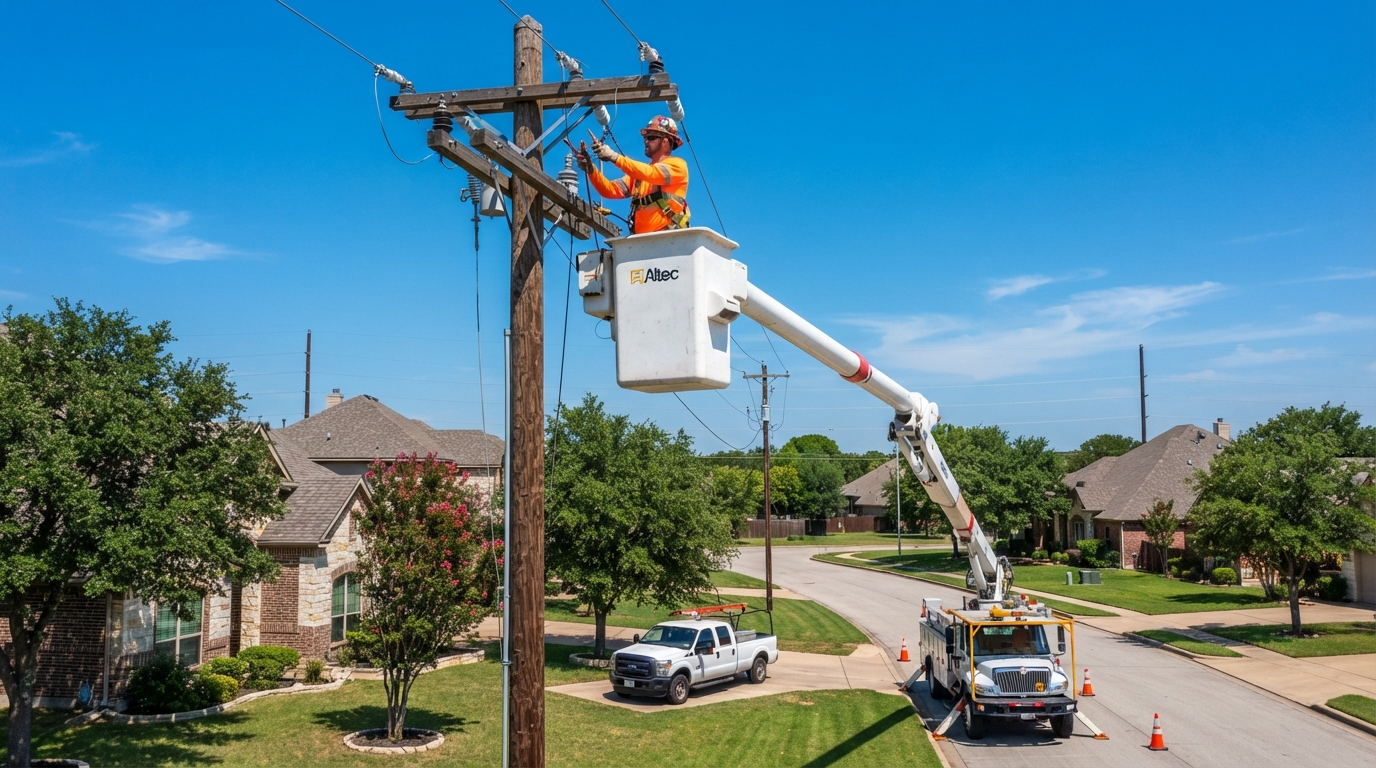
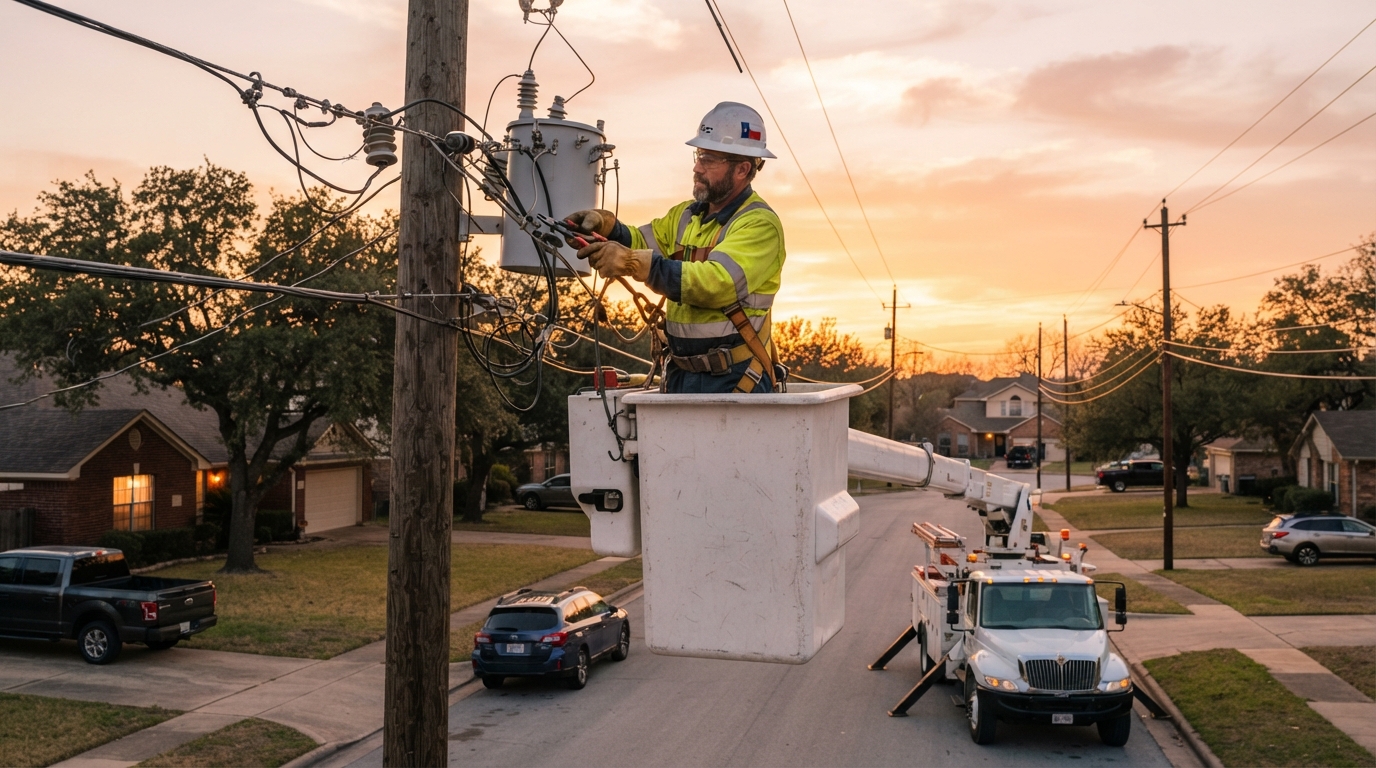
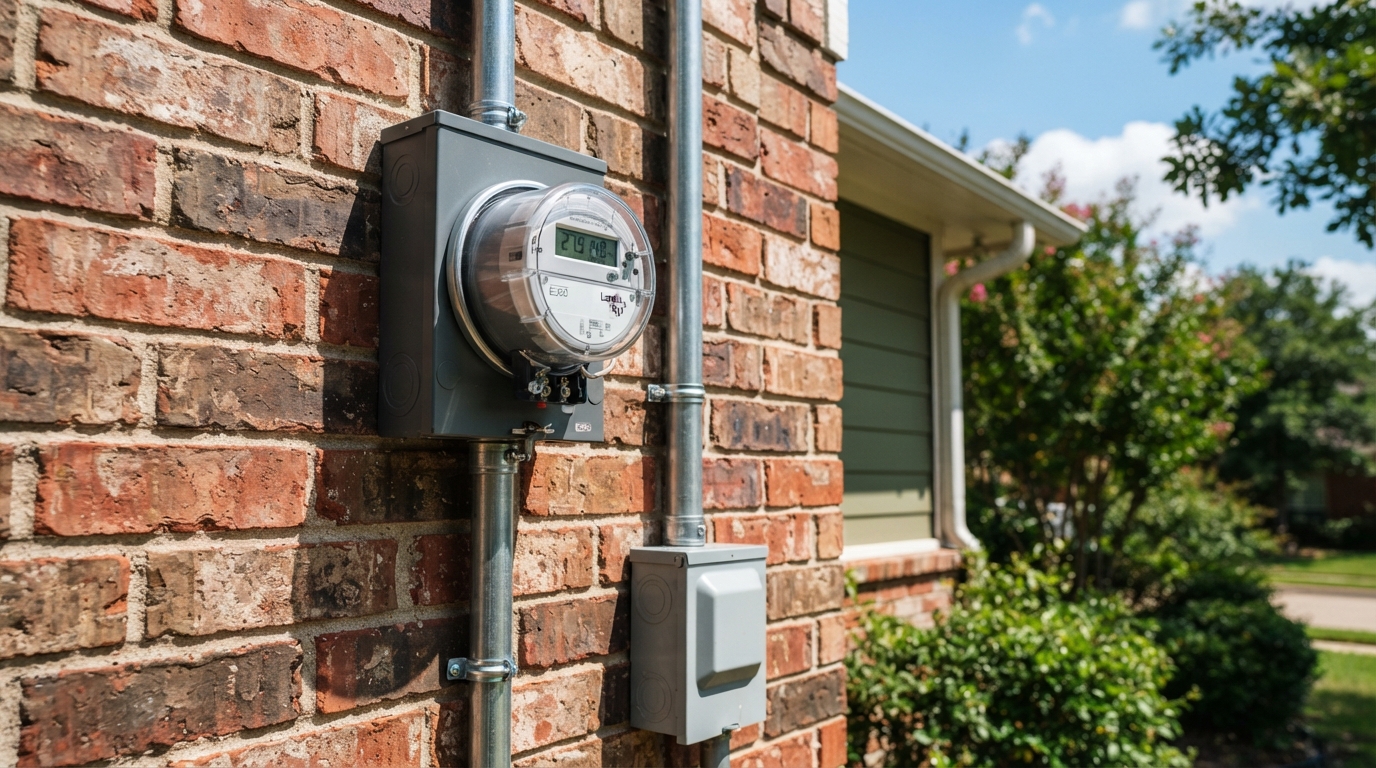
Your TDSP is responsible for the poles, wires, substations, and smart meters that bring electricity from the power generation plants to your doorstep. They are the ones who respond to power outages, maintain the grid, and ensure the reliable flow of electricity. Unlike REPs, you cannot choose your TDSP; it’s determined by your geographic location within Texas. The major TDSPs operating within the ERCOT grid include:
- AEP Central (AEP Texas Central): Serving Corpus Christi, Victoria, and surrounding areas.
- AEP North (AEP Texas North): Covering Abilene, San Angelo, and much of West Texas.
- CenterPoint Energy: The primary TDSP for the Houston metropolitan area and surrounding communities.
- Lubbock Power & Light (LP&L): The newest entrant into the competitive market, transitioning its customers to choice.
- Oncor Electric Delivery: The largest TDSP in Texas, serving Dallas, Fort Worth, and much of North and Central Texas.
- Texas New-Mexico Power (TNMP): Serving various communities across the state, including parts of the Gulf Coast and North Texas.
These companies are regulated by the Public Utility Commission of Texas (PUCT) and operate as natural monopolies in their service territories. This means their rates for delivering electricity, which appear as “TDSP Delivery Charges” or “TDU Charges” on your bill, are approved by the state to cover the costs of infrastructure maintenance and upgrades.
Gexa Energy and Your Local TDSP: A Symbiotic Relationship
When you sign up with a REP like Gexa Energy, you’re choosing the company that purchases electricity on the wholesale market and sells it to you. Gexa Energy, for example, might procure 100% renewable energy credits to match your usage, ensuring your energy footprint is green. However, it’s your local TDSP—be it Oncor, CenterPoint, or any of the others—that physically moves those electrons over their extensive network of poles and wires to your home. Gexa Energy handles the billing and customer service related to your energy supply, while your TDSP is responsible for the physical delivery and grid upkeep.
ElectricityOne: Your Partner in Texas Energy
At ElectricityOne, we understand the intricacies of the Texas energy market. With over 20 years of experience providing reliable, quick, and courteous electric service for Texas homes and businesses, we’ve built a reputation as a prominent platform connecting residents and businesses with the finest Retail Electric Providers (REPs) in the state—like Gexa Energy—while also educating them on the vital role of their local utility. Our meticulous provider selection process ensures we partner only with REPs that offer substantial cost savings, transparent disclosure of all costs and fees (including TDU pass-through charges), and long-term satisfaction.
- Over 20 years of expertise in the Texas energy market.
- Simplifying the process of finding top REPs across all six major TDSP zones.
- Ensuring transparency on all costs, including TDU pass-through charges.
- Dedicated to connecting you with providers offering substantial cost savings and long-term satisfaction.
Understanding Your Bill and Emergencies
Knowing the difference between your REP and TDSP is crucial for several reasons. Firstly, it helps you better understand your monthly electricity bill, distinguishing between the energy supply charges from your REP and the delivery charges from your TDSP. Secondly, and perhaps most importantly, it clarifies who to contact during an emergency. If your lights go out or you see a downed power line, you should always contact your local TDSP directly, not your REP. They are the boots on the ground, responsible for restoring power and ensuring safety.
Ready to find the best energy plan for your specific utility delivery area? Call 1.844.567.2863 today to speak with our Texas energy experts.
Frequently Asked Questions
### What’s the main difference between an electricity provider and a utility company in Texas?
In Texas, an electricity provider (Retail Electric Provider or REP) sells you the electricity and handles your billing, offering various plans like green energy options. A utility company (Transmission and Distribution Service Provider or TDSP) owns and maintains the physical infrastructure—poles, wires, meters—that delivers electricity to your home and responds to outages. You choose your REP, but your TDSP is determined by your location.
### Do TDSP delivery charges vary by electricity plan or provider?
No, TDSP delivery charges are regulated by the Public Utility Commission of Texas (PUCT) and are standard for all customers within a specific TDSP’s service territory, regardless of the retail electric provider or plan you choose. These charges cover the cost of maintaining the grid and appear on your bill as pass-through fees.
### If I choose a 100% green energy plan like Gexa Energy’s Eco Saver Plus 12, does my TDSP change?
Your TDSP remains the same regardless of your chosen electricity plan, even if it’s a 100% green energy plan. While a plan like Gexa Energy’s Eco Saver Plus 12 ensures your usage is offset by renewable energy credits, your local TDSP is still the physical entity responsible for the delivery of electricity over the grid to your home or business.