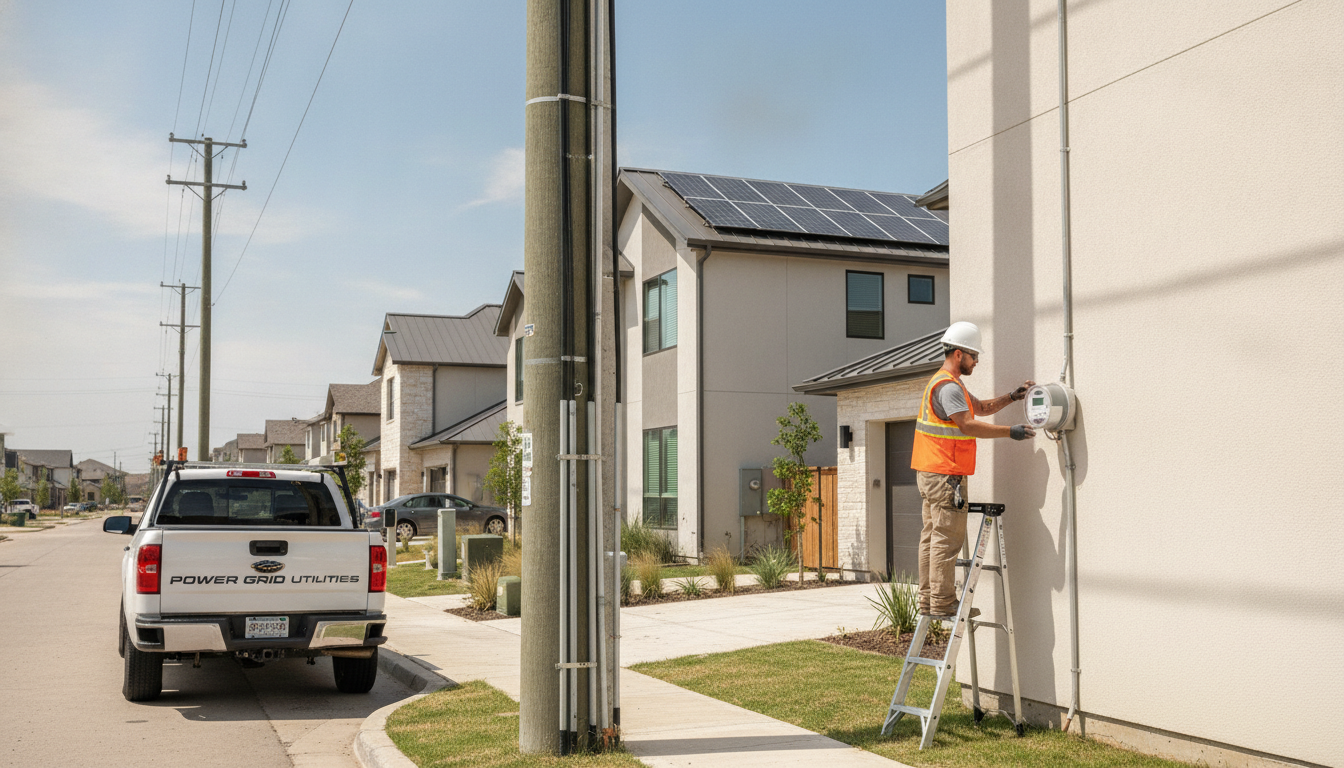
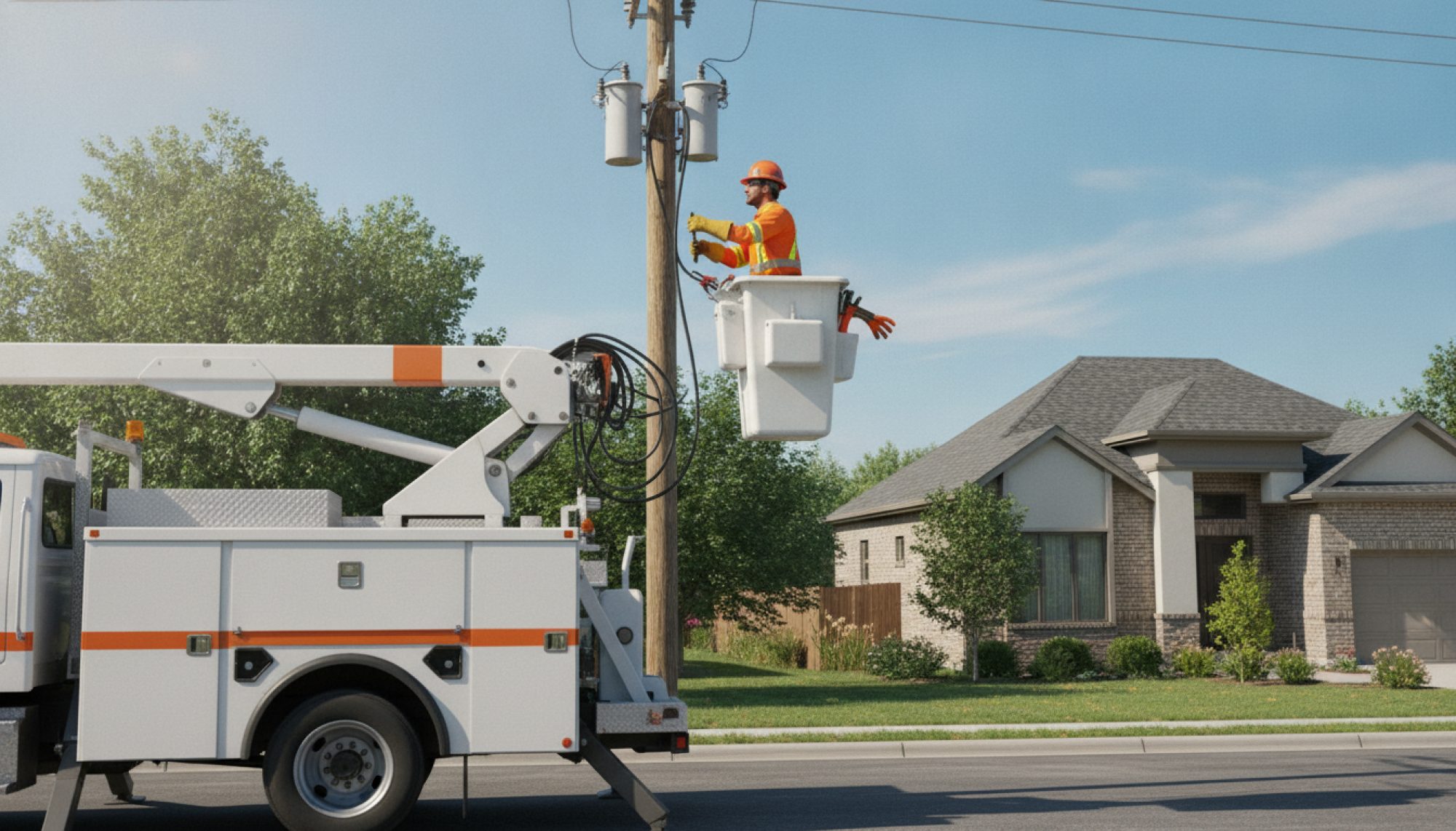
If you have ever opened your Texas electricity bill and wondered why there are multiple company names listed, you are not alone. You might sign up for a plan with a provider like Payless Power, only to see an Oncor or CenterPoint truck driving down your street to service the physical lines. This division of labor is a hallmark of the deregulated Texas energy market. While you choose who you buy your electricity from, a completely separate company is responsible for physically delivering that power to your home and maintaining the grid infrastructure.
The Roles of Your REP and TDSP
To navigate the Texas energy landscape successfully, you must first understand the distinct roles of the two main entities involved in keeping your lights on:
- Retail Electric Provider (REP): This is the company you choose to buy your electricity from, such as Payless Power. REPs buy electricity from generators, manage your billing account, and offer various plan structures, including prepaid and traditional post-paid options.
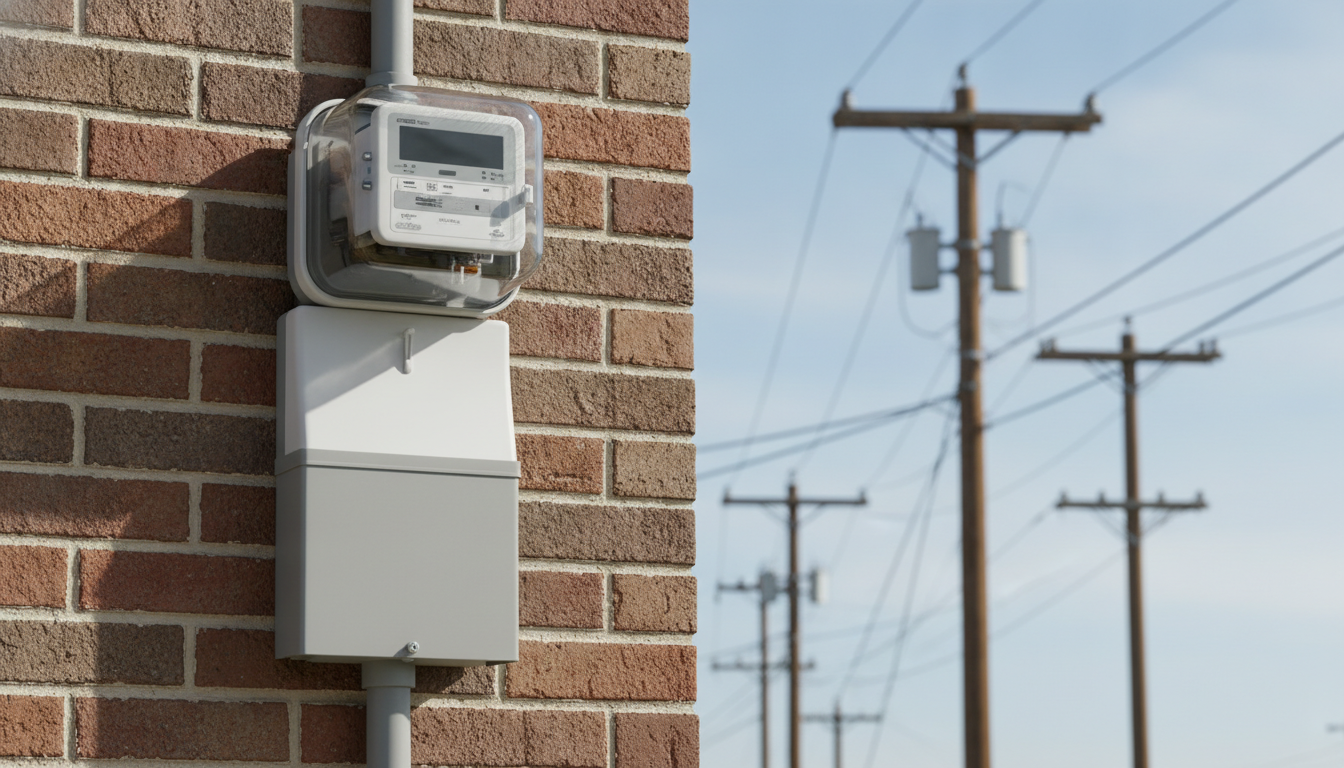
- Transmission and Distribution Service Provider (TDSP): Also known as a Transmission and Distribution Utility (TDU), this company owns and maintains the physical poles, wires, transformers, and smart meters. They are responsible for delivering the electricity to your home and restoring power during an outage.
In Texas, there are six major TDSPs that cover specific geographic territories: Oncor, CenterPoint Energy, AEP Texas Central, AEP Texas North, Texas New-Mexico Power (TNMP), and the recently deregulated Lubbock Power & Light (LP&L). No matter which REP you choose, your physical delivery service is determined solely by where you live.
texas tdsp delivery charges explained: What Are Pass-Through Fees?
When you look closely at your monthly statement, you will notice charges labeled as “TDU Delivery Charges” or “TDSP Fees.” These are regulated pass-through fees. The Public Utility Commission of Texas (PUCT) approves these rates, which are designed to reimburse the local utility company for the cost of maintaining the power grid, repairing downed lines, and reading your smart meter.
Because these charges are set by the PUCT and go directly to the utility company, they are “passed through” to the consumer. This means that every single customer in a specific utility territory pays the exact same TDSP delivery charges, regardless of which REP they choose or what kind of energy plan they have. Whether you are on a fixed-rate, variable-rate, or prepaid plan, these charges will appear on your bill as a combination of a fixed monthly utility fee and a cost per kilowatt-hour of usage.
How Prepaid Plans Handle TDSP Charges
Prepaid electricity plans have become incredibly popular in Texas because they offer flexible, no-deposit options that do not require credit checks. Payless Power is a premier example of a Texas REP that excels in this space, offering highly popular options like their 6 Month – Prepaid and 12 Month – Prepaid plans.
When you enroll in Payless Power prepaid plans, you establish a prepaid daily balance. As you consume electricity, your balance is updated daily. It is important to know that even with a prepaid structure, the local TDSP still delivers the actual power and charges their regulated fees. Payless Power transparently calculates these pass-through charges and deducts them from your prepaid balance on a daily or monthly basis, ensuring you never face unexpected fees or hidden costs. While Payless Power manages your account and provides exceptional customer service, your local TDSP (such as Oncor or TNMP) remains responsible for the physical delivery of your electricity.
Simplifying Your Texas Energy Search with ElectricityOne
At ElectricityOne, we understand that navigating utility territories and understanding pass-through fees can feel overwhelming. With over 20 years of experience providing reliable, quick, and courteous electric service for Texas homes and businesses, we are here to simplify the process. We act as a prominent platform that connects you with the finest REPs in the state—like Payless Power—while educating you on the essential role of your local utility.
Our meticulous provider selection process ensures that we only partner with REPs that offer:
- Significant cost savings and competitive pricing structures.
- Transparent disclosure of all costs and fees, including TDU pass-through charges.
- Long-term customer satisfaction and reliable service.
- Flexible, no-deposit plan options tailored to your budget.
Conclusion
Understanding the distinction between your retail provider and your local utility is key to reading your bill accurately and knowing who to contact in an emergency. Remember, if your power goes out, you should always contact your local TDSP directly, as they are the ones who maintain the physical infrastructure. By understanding how TDSP delivery charges are regulated and passed through, you can shop for energy plans with complete confidence.
Ready to find the best energy plan for your specific utility delivery area? Call 1.844.567.2863 today to speak with our Texas energy experts.
Frequently Asked Questions
What is the difference between a REP and a TDSP in Texas?
A Retail Electric Provider (REP) like Payless Power sells you electricity, manages your account, and handles your billing. A Transmission and Distribution Service Provider (TDSP) owns and maintains the physical power lines, poles, and meters, delivering the electricity physically to your home.
Do prepaid electricity plans still have to pay TDSP delivery charges?
Yes. Regardless of whether you choose a traditional post-paid plan or a prepaid plan, TDSP delivery charges are regulated pass-through fees set by the PUCT. They are paid by every electricity consumer in Texas to support grid maintenance.
Who should I call if my power goes out, my REP or my TDSP?
You should always contact your local TDSP (such as Oncor, CenterPoint, AEP, TNMP, or LP&L) during a power outage. Because they own and maintain the physical grid infrastructure, they are the only ones who can dispatch crews to restore your power.