
For Texas residents, the deregulated energy market is both a blessing and a challenge. While the freedom to select your own electricity provider offers incredible opportunities for savings, it also opens the door to confusing promotional gimmicks and complex contracts. Many Texas consumers searching for cheap electricity plans find themselves overwhelmed by the sheer volume of options, often signing up for rates that look attractive on paper but result in massive bill spikes later. To navigate this landscape successfully, you must know how to look past the marketing headlines and analyze the true mechanics of your energy contract.
Understanding the Texas Energy Ecosystem
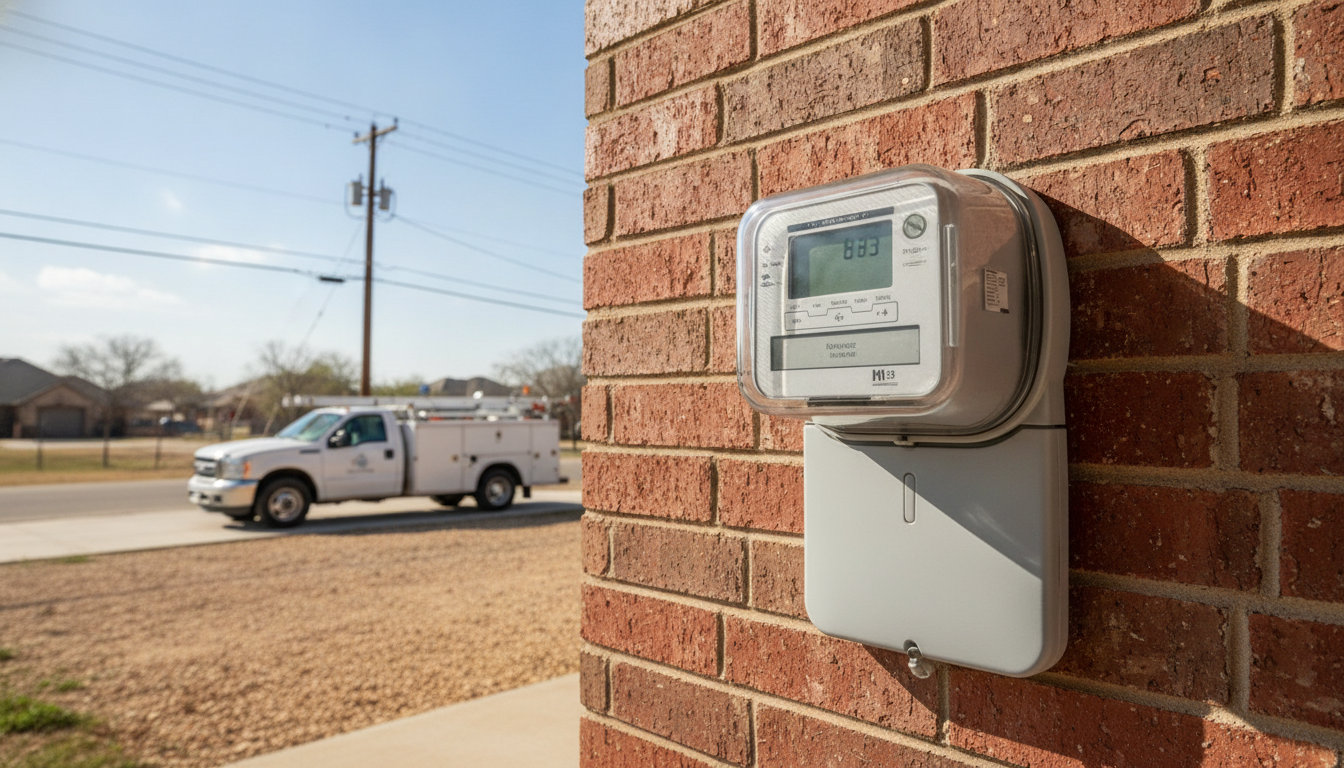
To make an informed decision, it is essential to understand how power is delivered to your home or business. In Texas, your energy service is split between two distinct entities: your Retail Electric Provider (REP) and your Transmission and Distribution Service Provider (TDSP), often referred to as your local utility. Your REP is the company that sells you electricity, manages your billing, and handles your customer service. Your TDSP (such as Oncor, CenterPoint Energy, or AEP) is responsible for maintaining the physical poles, wires, and meters, and delivering the physical electricity to your property.
The Public Utility Commission of Texas (PUCT) oversees this deregulated market to ensure fair competition. The PUCT established the official power to choose website to help consumers compare rates, but navigating it without an experienced guide can lead to unexpected billing surprises. While the state portal lists hundreds of plans, it does not vet the providers or filter out complex tiered-rate structures that can penalize you for using too much or too little energy.
The Secret is in the EFL: Decoding the Fine Print
Every single retail electricity plan in Texas is legally required to include an Electricity Facts Label (EFL). Think of the EFL as the nutrition label for your energy plan. It breaks down the exact cost per kilowatt-hour at specific usage levels, typically calculated at 500 kWh, 1,000 kWh, and 2,000 kWh. If you want to avoid hidden fees, this is the document you must review before signing any contract.
Beware of Tiered Pricing and Minimum Usage Fees
Many seemingly affordable offers rely on tiered pricing structures. For example, a provider might advertise an incredibly low rate that only applies if your monthly usage falls exactly within a narrow bracket. If your usage drops slightly below or rises above that tier, the rate per kilowatt-hour can increase dramatically. Other plans charge minimum usage fees if your household does not consume a baseline amount of electricity each month, penalizing energy-conscious consumers. By examining the EFL, you can identify these traps and see how the plan behaves under your actual historical usage patterns.
Delivery Charges vs. Supplier Charges
Another common source of confusion is how TDSP delivery charges are handled. Some plans bundle these utility fees directly into the advertised rate, while others pass them through as separate line items on your bill. If a plan’s EFL states that TDSP charges are recurring and billed separately, your final cost per kilowatt-hour will be higher than the advertised base rate. Knowing how to spot these disclosures ensures you compare plans on an apples-to-apples basis.
Why ElectricityOne is Your Shield Against Hidden Fees
Sorting through hundreds of unvetted state marketplace listings and reading dozens of EFLs is incredibly time-consuming. That is where ElectricityOne steps in. As a prominent, independent platform, we simplify the shopping process by doing the heavy lifting for you. We connect residents and businesses with only the finest Retail Electric Providers in the state, ensuring you bypass the gimmicks entirely.
Whether you need reliable electricity Houston residents can count on during the sweltering summer months, or stable electricity dallas homeowners can budget around, we have you covered. Here is how we protect your wallet:
- Over 20 Years of Experience: We have spent over two decades providing reliable, quick, and courteous electric service for Texas homes and businesses.
- Meticulous Provider Vetting: We partner exclusively with REPs that demonstrate financial stability, transparent pricing, and a track record of long-term customer satisfaction.
- No Hidden Fee Guarantee: We filter out plans with deceptive tiered rates, hidden minimum usage penalties, and confusing pass-through fees, presenting only straightforward, honest options.
- Flexible Solutions: From robust commercial options like business electricity plans to flexible, no-credit-check options like prepaid electric service, we match you with the exact plan for your lifestyle.
Lock in Peace of Mind Today
You do not have to navigate the complex Texas energy market alone. By choosing a guided, transparent shopping experience, you can secure substantial cost savings without the fear of hidden fees or surprise summer bill spikes. Let our team of experts help you find a plan that fits your real-world energy usage and gives you long-term budget predictability.
Ready to exercise your power to choose with confidence? Call 1.844.567.2863 today to speak with our Texas energy experts.
Frequently Asked Questions
What is an Electricity Facts Label (EFL) and why is it important?
The EFL is a standardized document required by the PUCT that details the pricing structure, contract length, and early termination fees of an energy plan. It is crucial because it reveals the true cost of electricity at different usage levels, helping you spot hidden fees and tiered-rate traps before you sign a contract.
What is the difference between my REP and my TDSP?
Your Retail Electric Provider (REP) sells you the electricity, manages your billing, and sets your contract rate. Your Transmission and Distribution Service Provider (TDSP) is the local utility that maintains the physical poles, wires, and grid infrastructure, delivering the electricity to your home regardless of which REP you choose.
How does tiered pricing affect my monthly electric bill?
Tiered pricing structures charge different rates depending on how much electricity you use. If a plan has strict usage tiers, missing your target usage bracket by even a few kilowatt-hours can cause your average cost per kilowatt-hour to spike significantly, resulting in a much higher bill than expected.