Have you ever looked at your Texas electricity setup paperwork and seen the name of a provider like Payless Power, only to spot an Oncor or CenterPoint truck parked on your street working on the physical power lines? If so, you are not alone. Many Texans are confused by the relationship between the company that bills them for electricity and the company that actually delivers the physical power to their homes. Understanding how these entities work together is the key to mastering your monthly energy budget.
Understanding the Difference: Retail Electric Provider vs. TDSP
In the deregulated Texas energy market, your electricity service is split into two distinct roles: the company that sells you the energy and the company that delivers it.
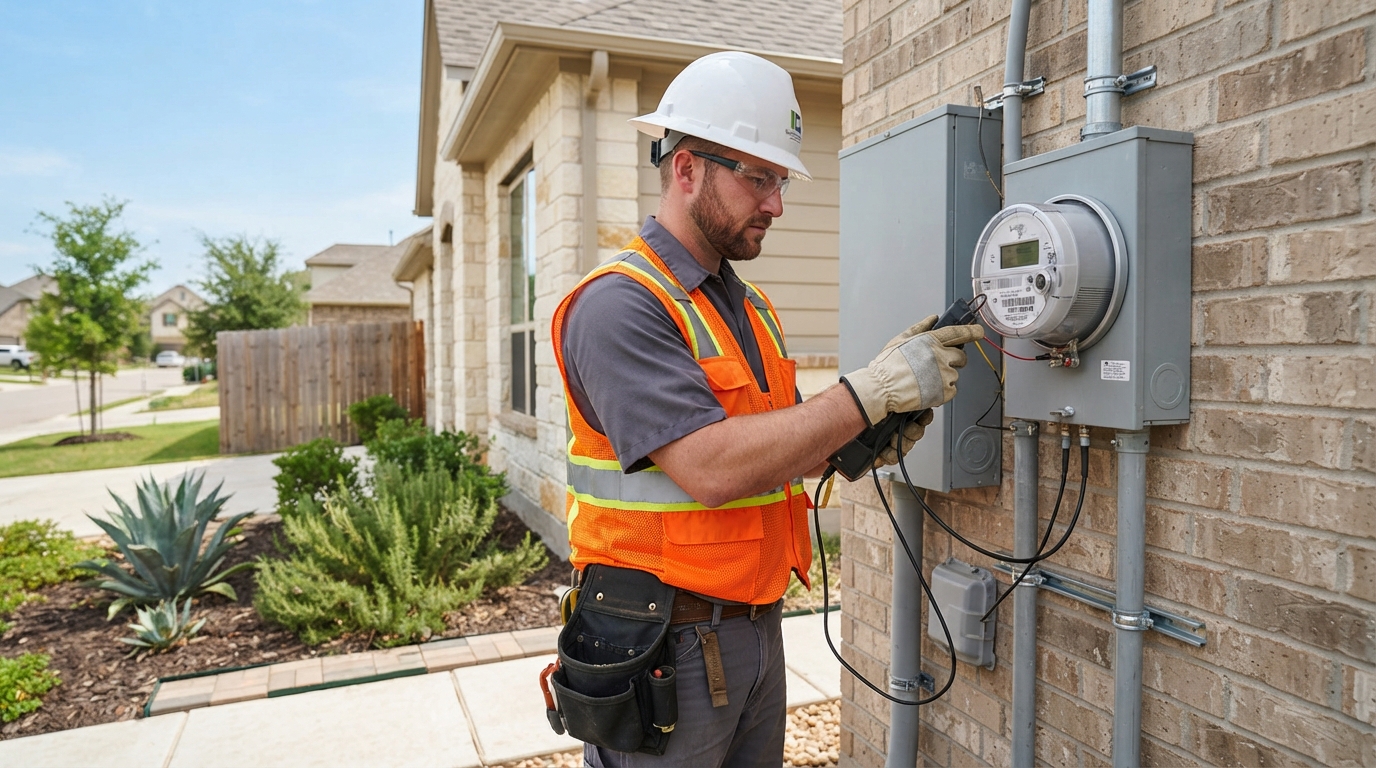
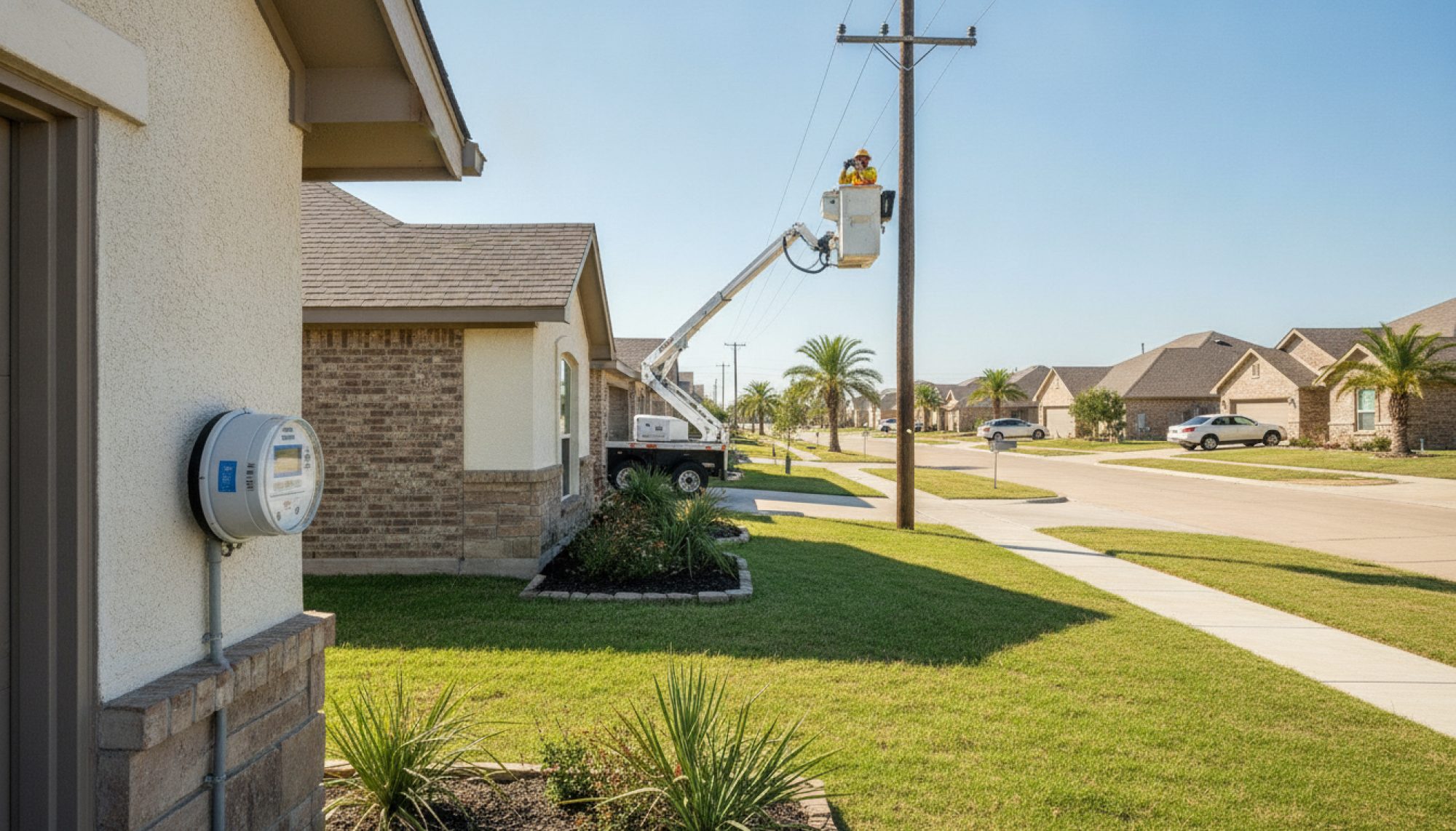
A Retail Electric Provider (REP), such as Payless Power, is the company you choose to manage your account, purchase your energy supply, and handle your billing. On the other hand, your Transmission and Distribution Service Provider (TDSP)—often referred to as your local utility company—is responsible for maintaining the physical infrastructure. This includes the poles, wires, transformers, and smart meters that keep the electricity flowing.
No matter which REP you choose, your physical electricity is delivered by one of the six major Texas utility companies based on your geographic location:
- Oncor: Serving Dallas-Fort Worth and surrounding areas.
- CenterPoint: Serving the greater Houston metropolitan area.
- AEP Texas Central: Serving southern Texas communities.
- AEP Texas North: Serving northern and western Texas communities.
- Texas New-Mexico Power (TNMP): Serving various pockets of Texas, including parts of the Gulf Coast and West Texas.
- Lubbock Power & Light (LP&L): The newest addition to the competitive ERCOT market, serving the Lubbock area.
Demystifying the Pass-Through Fees
Because your TDSP maintains the physical power grid, they must be compensated for their services. This is where texas tdsp delivery charges explained comes into play. These charges are regulated and approved by the Public Utility Commission of Texas (PUCT). They are “pass-through” fees, meaning your REP collects them directly from you and passes them along to the utility company without any markup.
These delivery fees consist of a fixed monthly utility fee and a variable charge per kilowatt-hour consumed. Because these charges are strictly regulated, they will be exactly the same for your home regardless of which REP you choose to buy your energy from. Whether you are on a traditional postpaid contract or a flexible prepaid plan, these utility delivery costs are a standard part of your electricity consumption.
How Payless Power Fits Into Your Utility Delivery Zone
For Texans looking for flexibility and control over their electricity budget, Payless Power is a premier example of a Texas REP that simplifies the process. They offer excellent, no-deposit options, including their popular 6 Month – Prepaid and 12 Month – Prepaid plans.
With these plans, you maintain a prepaid balance, and your daily usage is deducted from that account. However, it is important to remember that while Payless Power manages your electricity account, billing, and prepaid balances, your local TDSP (such as Oncor or TNMP) is still the entity delivering the actual power. When you review your daily balance deductions on Payless Power prepaid plans, those daily totals naturally factor in both the cost of the electricity you used and the prorated TDSP delivery charges associated with that consumption.
Navigating the Texas Grid with ElectricityOne
Finding the right energy plan across different utility zones can feel overwhelming, but ElectricityOne is here to simplify the journey. As a prominent educational platform, we connect Texas residents and businesses with the finest REPs in the state while helping them understand how the local grid operates.
Here is how ElectricityOne helps you make informed energy choices:
- Over 20 Years of Texas Expertise: Providing reliable, quick, and courteous electric service for Texas homes and businesses.
- Meticulous Provider Selection: We partner only with REPs like Payless Power that offer substantial cost savings, transparent disclosure of all costs and fees (including TDU pass-through charges), and long-term customer satisfaction.
- Unbiased Consumer Education: We break down complex utility topics so you never have to guess what you are paying for on your monthly statement.
Conclusion: Knowledge is Power
Understanding the distinction between your REP and your TDSP does more than just demystify your electric bill—it also helps you know exactly who to call in an emergency. If your power goes out or you see a downed power line, you should contact your local TDSP immediately, as they are the ones who maintain the physical infrastructure. Meanwhile, your chosen provider, like Payless Power, remains your go-to partner for managing your account, payment options, and daily energy usage.
Ready to find the best energy plan for your specific utility delivery area? Call 1.844.567.2863 today to speak with our Texas energy experts.
Frequently Asked Questions
Why do I have to pay TDSP delivery charges on a prepaid plan?
TDSP charges are mandatory, regulated fees approved by the PUCT to pay for the maintenance of the physical power grid (poles, wires, and meters). Because every home relies on this physical infrastructure to receive electricity, these pass-through fees apply to every plan, including prepaid options.
Can I choose a different TDSP to lower my delivery fees?
No. While you can choose your Retail Electric Provider (REP), you cannot choose your TDSP. Your utility company is determined solely by the physical location of your home or business.
Who do I call if my power goes out, Payless Power or my TDSP?
You should contact your local TDSP (such as Oncor, CenterPoint, or AEP) during an outage. Because your TDSP owns and maintains the physical poles and wires, they are the only ones who can restore physical power to your home.