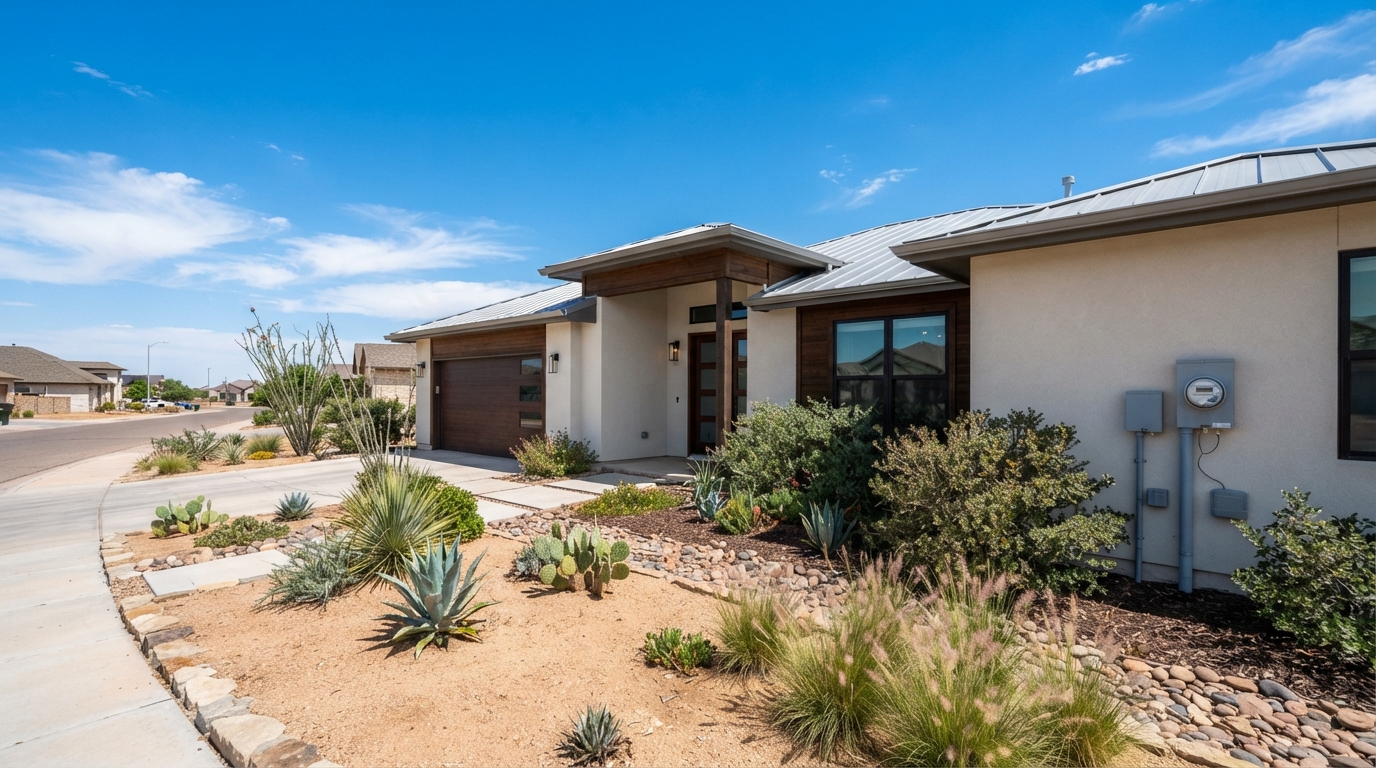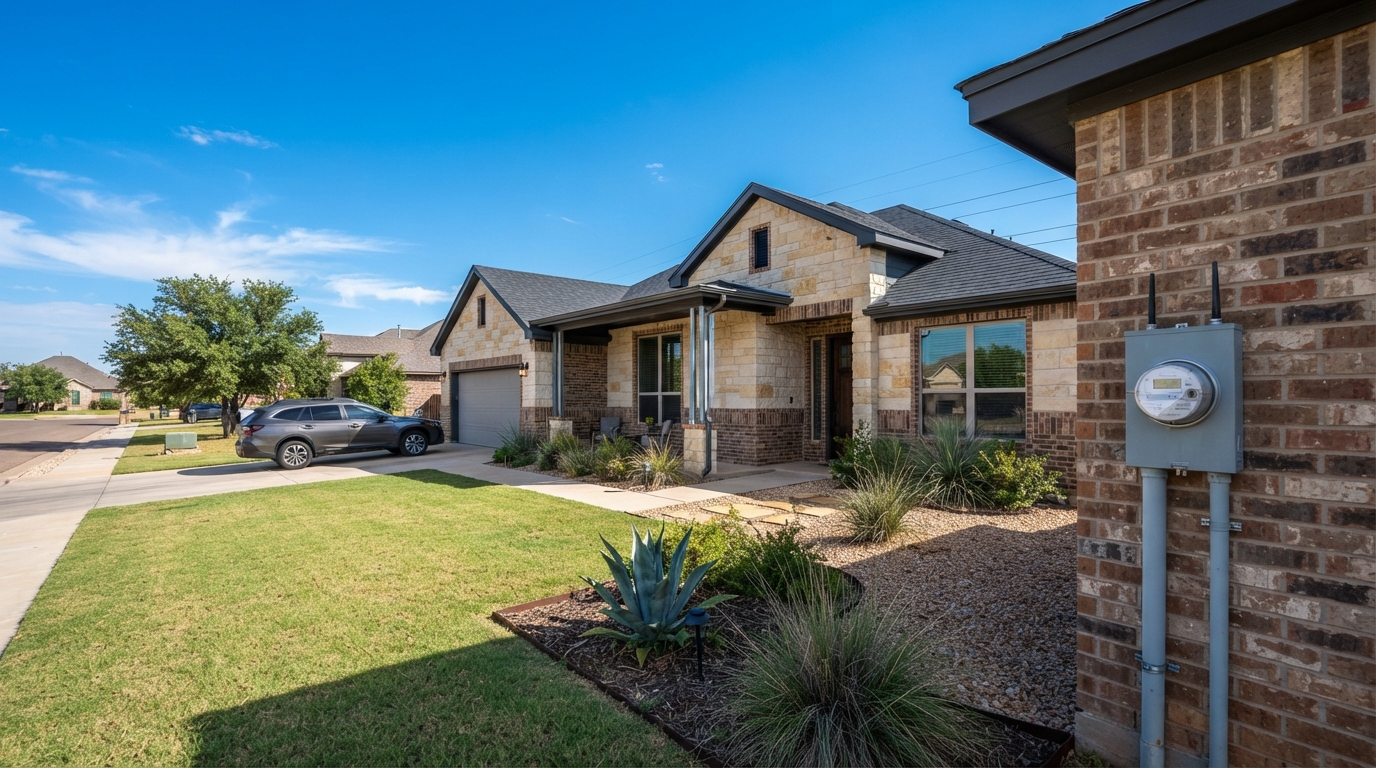
Living across the sprawling landscapes of West and Central Texas means experiencing a unique blend of rugged terrain, bustling regional hubs, and wide-open skies. Whether you are managing a household or reviewing operational overhead for business electricity plans, understanding how your monthly utility bill is constructed is essential. When you look at your electric bill in this massive region, navigating aep texas north delivery charges is a fundamental part of managing your energy costs. At power to choose the right energy strategy, knowing what goes into these charges helps you make smarter, more informed decisions for your property.
Decoding the West and Central Texas Grid
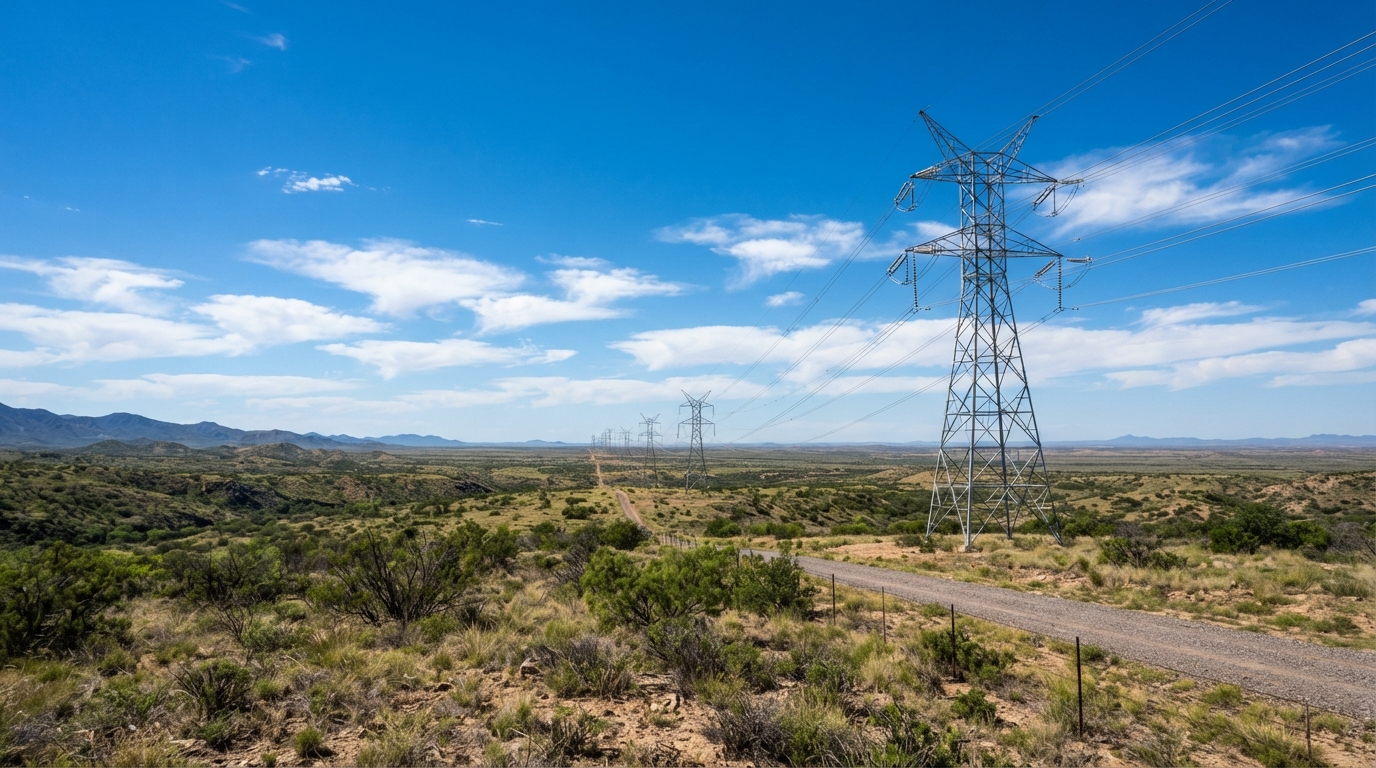
The Texas deregulated energy market splits responsibilities between two distinct entities: your Retail Electric Provider (REP) and your Transmission and Distribution Utility (TDU), also frequently referred to as a TDSP. While many consumers across the state compare options similar to shopping for electricity Houston or electricity dallas providers, West and Central Texans rely heavily on the robust infrastructure maintained by AEP North. This utility manages thousands of square miles of transmission lines, poles, and local transformers.
The Role of the Utility vs. The Provider
It helps to understand that your REP is the company you pay for your electricity generation and customer service. They set your contract terms, manage your account, and send you the monthly bill. On the other hand, AEP North is the regulated entity that actually owns the physical wires bringing power to your door. They respond to outages, trim trees away from power lines, and ensure reliable physical delivery regardless of which REP you choose.
Breaking Down AEP North Fees and Charges
Every electric bill in the AEP North territory features charges divided into two main categories: energy supply charges from your chosen REP, and delivery charges from the utility. The Public Utility Commission of Texas (PUCT) strictly regulates the delivery portion of your bill. These fees cover the cost of maintaining the local grid and delivering electricity safely to your home or business.
While some consumers looking for flexible terms might explore prepaid electric service, the underlying utility delivery fees remain a constant baseline component applied to virtually all meters within the AEP North service zone. These typically include a fixed monthly base charge plus a per-kilowatt-hour distribution fee.
How ElectricityOne Simplifies Your Search
With over 20 years of experience providing reliable, quick, and courteous electric service for Texas homes and businesses, ElectricityOne stands out as a trusted ally. Navigating the deregulated market does not have to be overwhelming. ElectricityOne connects West and Central Texas residents with the finest Retail Electric Providers operating within the AEP North utility zone through a meticulous provider selection process.
- Over two decades of trusted experience in the Texas energy landscape.
- Partnerships exclusively with REPs that offer substantial cost savings.
- Transparent disclosure of all costs and fees, including AEP North pass-through charges.
- A streamlined approach ensuring long-term customer satisfaction and peace of mind.
Empowering Your Energy Choices
By understanding how AEP North operates and how delivery charges are structured, you gain complete transparency over your monthly electric expenses. Knowing the distinction between your provider and your utility also ensures you always call the correct entity during a service emergency. Ready to find the best energy plan for your AEP North delivery area? Call 1.844.567.2863 today to speak with our Texas energy experts.
Frequently Asked Questions
Can I choose AEP North as my electricity provider?
No. AEP North is your regulated Transmission and Distribution Utility (TDU), meaning they maintain the poles and wires. You choose a separate Retail Electric Provider (REP) to supply your electricity.
Why are there utility delivery charges on my bill if I already pay my REP?
Your REP bundles AEP North’s regulated delivery fees into your monthly statement to pass them along to the utility for maintaining the physical power grid connected to your property.
Who should I call if my power goes out in the AEP North service area?
You should contact AEP North directly to report power outages or downed power lines, as they are responsible for the physical infrastructure and emergency repairs in your area.