
Understanding Your Power: What is a Transmission and Distribution Service Provider?
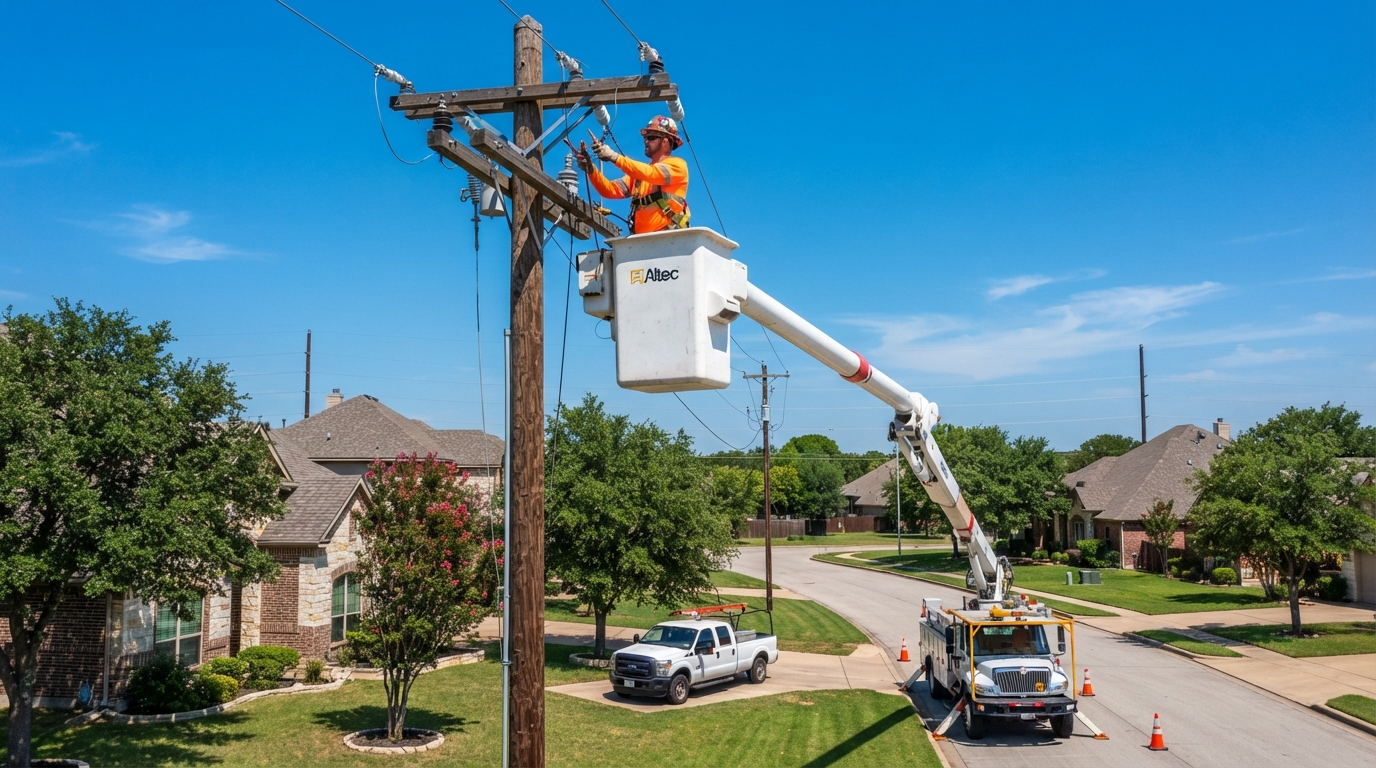
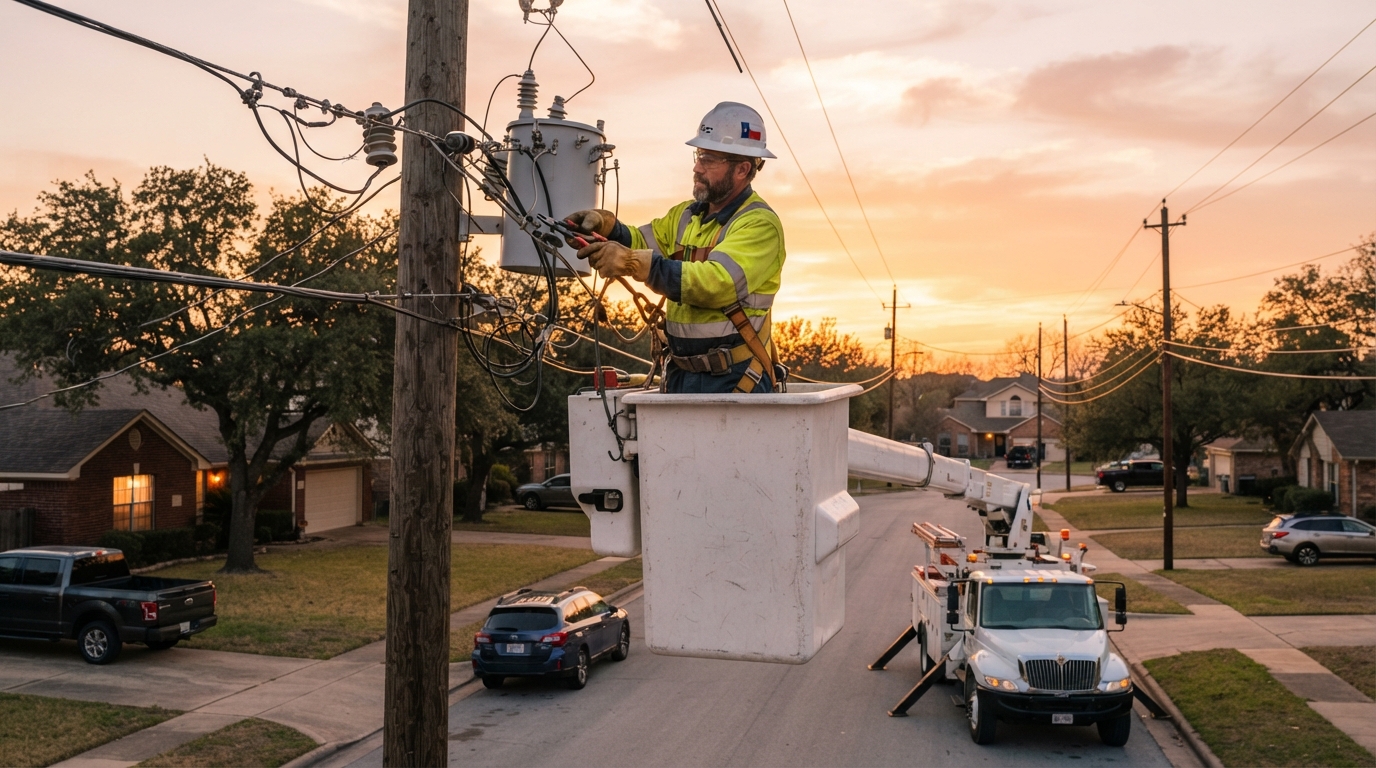
Have you ever wondered why your electricity bill features the name of your chosen Retail Electric Provider (REP), like APG&E, but then you see a different company’s trucks, such as Oncor or CenterPoint, working on power lines after a storm? This common point of confusion for many Texans actually highlights a fundamental aspect of our deregulated energy market: the clear distinction between the company that sells you electricity and the company that physically delivers it. To navigate the Texas energy landscape effectively, it’s crucial to understand precisely what is a transmission and distribution service provider and their vital role in keeping your lights on.
The Two Sides of Your Texas Electricity Service: Provider vs. Utility
In Texas, your electricity service involves two primary entities: your Retail Electric Provider (REP) and your Transmission and Distribution Service Provider (TDSP), often referred to as a Utility or TDU (Transmission and Distribution Utility). Understanding the difference is key:
- Retail Electric Provider (REP): This is the company you choose to buy your electricity from. REPs, like APG&E, are responsible for selling you energy, setting your plan’s terms, managing your billing, and handling customer service related to your energy plan. They compete for your business by offering various plans, pricing structures, and customer incentives. APG&E, a premier Texas REP, is known for its commitment to structured bill predictability, exemplified by plans like their SimpleSaver 12. While APG&E establishes your fixed energy plan terms and supply structure for 12 months, setting your APG&E Texas electricity rates, your local TDSP remains the entity responsible for physically routing that electricity to your home meter.
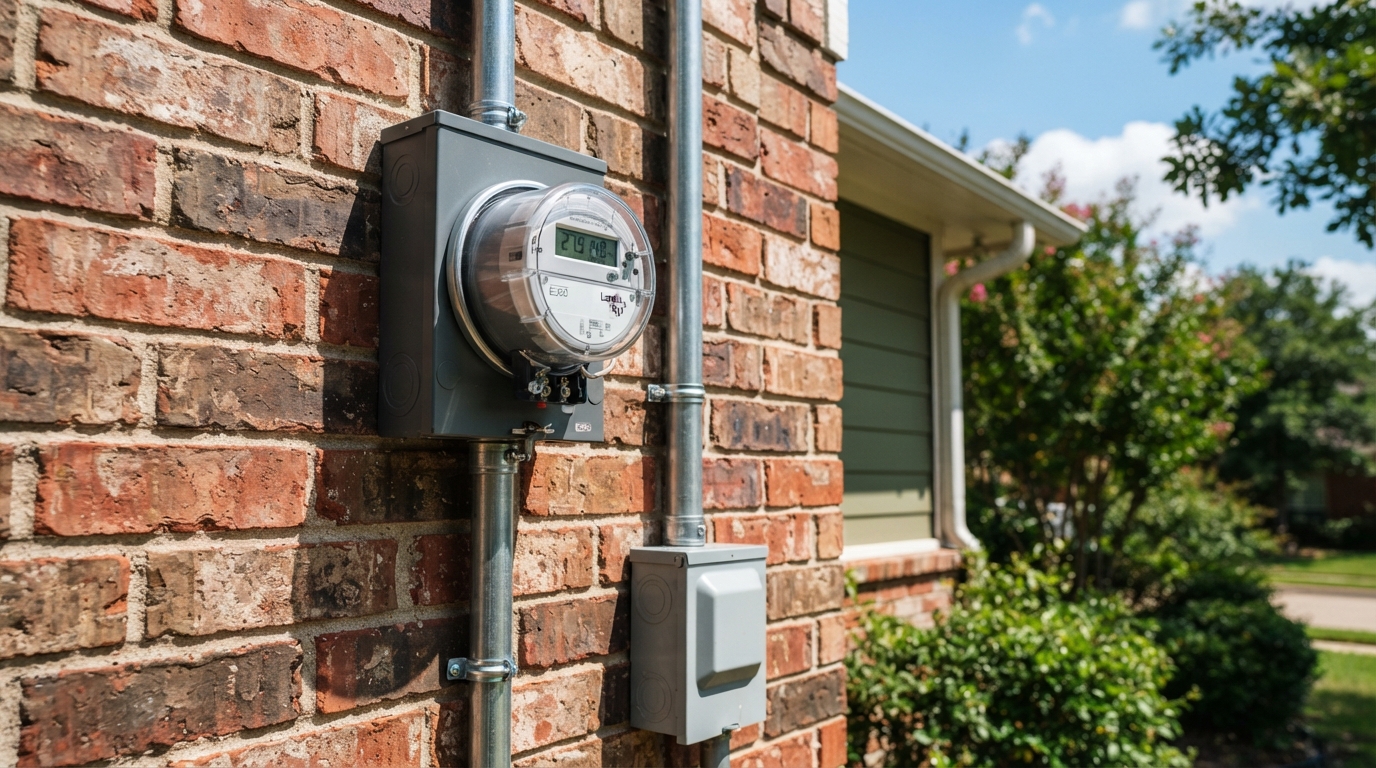
- Transmission and Distribution Service Provider (TDSP): This is the local utility company that owns, operates, and maintains the physical infrastructure that delivers electricity to your home or business. This includes the power lines, poles, transformers, and smart meters. TDSPs are not chosen; they are assigned based on your geographic location and are regulated monopolies. They are responsible for ensuring the reliable delivery of power, maintaining the grid, and responding to outages.
Your Local Infrastructure Heroes: Texas’s Six Major TDSPs
Regardless of which REP you choose, your electricity is delivered by one of Texas’s six major Transmission and Distribution Service Providers. These companies are the backbone of the ERCOT (Electric Reliability Council of Texas) grid, maintaining the critical infrastructure that brings power from generation plants to your plug:
- Oncor: Serving a vast area of north and central Texas, including Dallas and Fort Worth.
- CenterPoint Energy: Primarily serving the Houston metropolitan area and surrounding regions.
- AEP Texas North: Covering parts of northern and western Texas, including Abilene and San Angelo.
- AEP Texas Central: Serving southern and coastal Texas, including Corpus Christi and Victoria.
- Texas New-Mexico Power (TNMP): Operating in various scattered service territories across the state, from the Gulf Coast to north Texas.
- Lubbock Power & Light (LP&L): The newest entrant into the competitive market, transitioning in 2023-2026, now operating as a TDSP within the deregulated framework.
These TDSPs are responsible for the physical delivery of electricity, grid maintenance, and emergency response, regardless of your chosen REP. They are regulated by the Public Utility Commission of Texas (PUCT) to ensure fair practices and reliable service.
Why This Distinction Matters for Texans
Knowing the difference between your REP and your TDSP is crucial for several reasons:
- Outage Reporting: If your lights go out or you see a downed power line, you should always contact your TDSP, not your REP. Your TDSP is the one with the crews and equipment to address physical grid issues.
- Bill Clarity: Your monthly electricity bill will typically show charges from both your REP (for the energy you consumed) and your TDSP (for the costs of delivering that energy and maintaining the infrastructure). Understanding this helps you decipher your bill and see how regulated distribution charges are passed through.
- Informed Choices: When shopping for an energy plan, you’re choosing a REP. Your TDSP is a fixed entity based on your address.
At ElectricityOne, we understand the complexities of the Texas energy market. For over 20 years, we’ve been a prominent platform connecting residents and businesses with the finest Retail Electric Providers (REPs) in the state—like APG&E—while educating them on the vital role of their local utility. Our meticulous provider selection process ensures partnerships only with REPs that offer substantial cost savings, transparent disclosure of all costs and fees (including TDU pass-through charges), and long-term satisfaction. We simplify shopping for top providers across all six major TDSP zones, ensuring you get reliable, quick, and courteous electric service.
By understanding the clear roles of your REP and your TDSP, you become a more informed energy consumer. You’ll know exactly who to call in an emergency, better understand the components of your monthly bill, and make more confident decisions about your electricity plan. Ready to find the best energy plan for your specific utility delivery area? Call 1.844.567.2863 today to speak with our Texas energy experts.
Frequently Asked Questions
Who do I call if my power goes out?
If your power goes out, you should always contact your local Transmission and Distribution Service Provider (TDSP), not your Retail Electric Provider (REP). Your TDSP is responsible for maintaining the power lines and responding to outages.
Does my REP (like APG&E) control the power lines?
No, your Retail Electric Provider (REP) like APG&E sells you the electricity and manages your billing and plan terms. The physical power lines, poles, and other infrastructure are owned and maintained by your local Transmission and Distribution Service Provider (TDSP).
Are TDSP charges included in my fixed-rate plan?
TDSP charges are pass-through fees that are regulated by the Public Utility Commission of Texas (PUCT). While your REP (like APG&E) sets the energy rate for your plan, these TDSP delivery charges will appear on your monthly statement. Some plans may incorporate bill credits that can offset these charges, but the underlying regulated fees are always present.