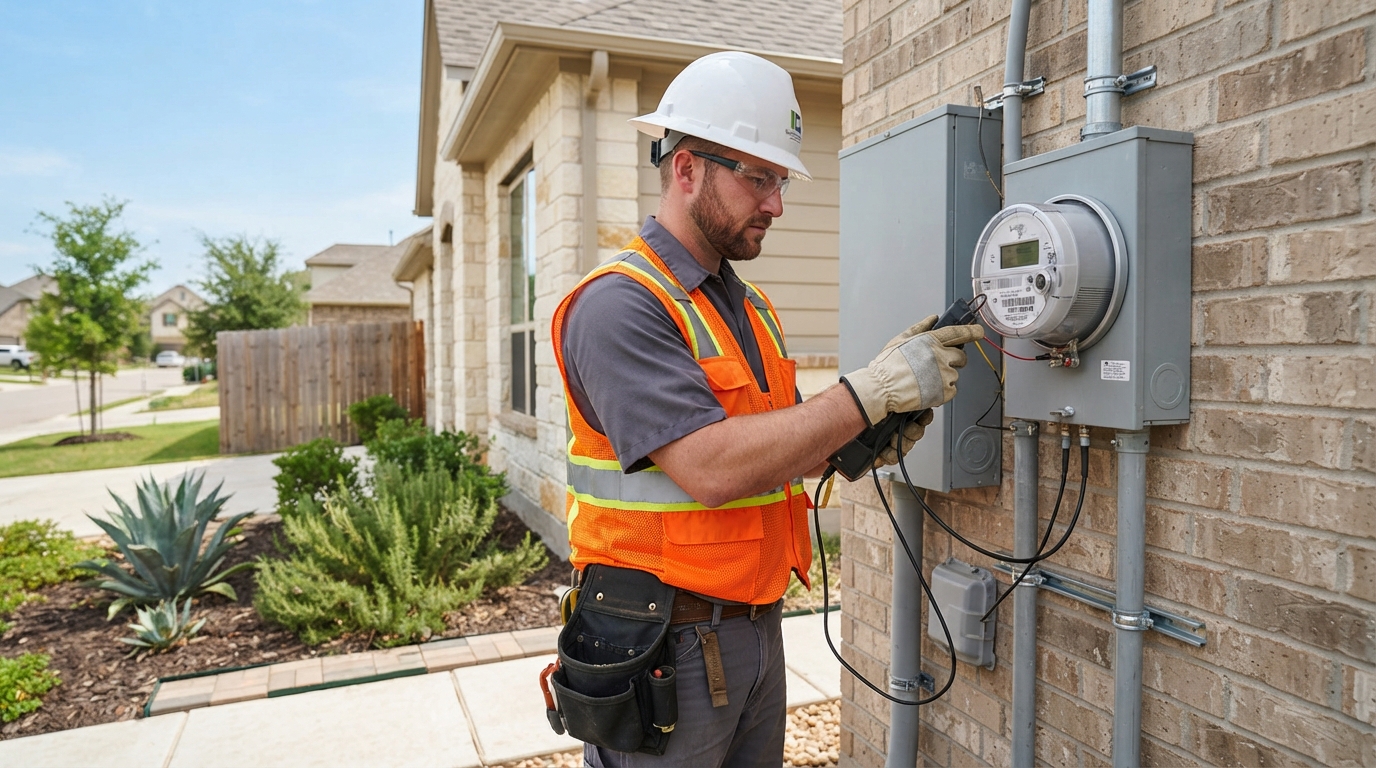

If you have ever opened your Texas electricity statement and wondered why multiple company names are involved in your home’s power, you are not alone. You might sign up for a plan through a platform like ElectricityOne, manage your account with a provider like Payless Power, and yet see an Oncor or CenterPoint truck parked on your street. This division of labor is the hallmark of the deregulated Texas energy market. To truly understand your monthly energy costs, you need to have the texas tdsp delivery charges explained.
REP vs. TDSP: Who Does What?
In Texas, the companies that handle your electricity are split into two distinct categories: Retail Electric Providers (REPs) and Transmission and Distribution Service Providers (TDSPs, also known as TDUs or utilities). Knowing the difference is crucial for managing your budget and keeping your lights on.
The Retail Electric Provider (REP)
Your REP is the company you choose to buy your electricity from. They handle your enrollment, manage your billing, and provide customer support. For example, Payless Power is a premier Texas REP known for offering flexible, no-deposit options. Through Payless Power prepaid plans, such as their popular 6 Month – Prepaid and 12 Month – Prepaid plans, customers can easily manage their energy budget without the burden of long-term credit checks. While Payless Power manages your prepaid account balance, they do not own the actual physical infrastructure that delivers the electricity to your home.
The Transmission and Distribution Service Provider (TDSP)
Your TDSP is the utility company that actually owns and maintains the physical poles, wires, transformers, and smart meters. Regardless of which REP you choose, your local TDSP is determined strictly by your physical geography. The six major Texas utility companies are:
- Oncor: Serving Dallas-Fort Worth and surrounding areas.
- CenterPoint Energy: Serving the Houston metropolitan area.
- AEP Texas Central: Serving southern Texas.
- AEP Texas North: Serving northern and western Texas.
- Texas New-Mexico Power (TNMP): Serving various pockets across the state.
- Lubbock Power & Light (LP&L): The newest entry into the competitive ERCOT market.
Understanding Pass-Through Fees and the PUCT
Because the TDSP owns and services the physical grid, they must be compensated for delivering electricity to your home. These delivery charges are heavily regulated by the Public Utility Commission of Texas (PUCT). Since TDSPs operate as regulated monopolies in their respective territories, the PUCT approves their rate structures twice a year to ensure fairness.
These delivery fees are structured as “pass-through” charges. This means that your REP—such as Payless Power—simply collects these fees from you and passes them directly to your local utility. Whether you choose a traditional postpaid plan or a flexible prepaid electric service, these regulated charges will appear on your monthly statement as separate line items. They consist of a fixed monthly utility fee and a volumetric cost per kilowatt hour used. Because these are set by the state and the utility, no REP can alter, discount, or markup these delivery rates.
How TDSP Charges Fit Into Prepaid Plans
If you are using a prepaid plan, understanding these charges is vital for managing your daily prepaid balances. When you enroll in a 6 Month – Prepaid or 12 Month – Prepaid plan, your daily balance is adjusted based on both your retail energy rate and the pass-through TDSP delivery charges. By keeping your balance positive, you ensure uninterrupted service, while your TDSP continues to maintain the physical line security and meter readings behind the scenes.
Why Choose ElectricityOne to Navigate the Market?
With over 20 years of experience providing reliable, quick, and courteous electric service for Texas homes and businesses, ElectricityOne acts as your trusted guide. We connect residents and businesses with the finest REPs in the state—like Payless Power—while educating them on the role of their local utility. Our meticulous provider selection process ensures:
- Partnerships only with reputable REPs that offer substantial cost savings.
- Transparent disclosure of all costs and fees, including TDU pass-through charges, so there are no surprises on your bill.
- Long-term satisfaction through reliable customer support and honest plan structures.
- Easy comparison tools for finding the best electricity Houston options or setting up business electricity plans.
Whether you are comparing electricity dallas rates or utilizing the power to choose to find a better rate in West Texas, ElectricityOne simplifies the process from start to finish.
Conclusion
Understanding your TDSP delivery charges empowers you to read your electricity bill with confidence and budget accurately. It also ensures you know exactly who to contact during an emergency. If your lights go out or you see a downed power line, you should contact your local TDSP (like Oncor or CenterPoint) directly, as they maintain the physical infrastructure, while your REP manages your account billing.
Ready to find the best energy plan for your specific utility delivery area? Call 1.844.567.2863 today to speak with our Texas energy experts.
Frequently Asked Questions
Can I choose a different TDSP to lower my delivery charges?
No. Your TDSP is determined solely by the physical location of your home or business. You cannot switch your utility company, but you can choose your Retail Electric Provider (REP) to find better energy rates and plan structures.
Do prepaid plans avoid TDSP delivery charges?
No. All retail electric plans in Texas, including prepaid plans, must account for TDSP delivery charges. These are state-regulated pass-through fees that go directly to the utility maintaining your physical lines and meters.
Who should I call if my power goes out?
You should contact your local TDSP (such as Oncor, CenterPoint, or AEP), not your retail provider. The TDSP owns and repairs the physical poles and wires, making them responsible for restoring power during an outage.